15 Best Homeschool Math Curriculums (2026)
Choosing a homeschool math curriculum can feel overwhelming. There are so many options out there! First you consider online math vs book based. Then you think, should I go hands-on with manipulatives or keep it totally online and animated.
Then there’s your kids to think about. Some children love math, while others burst into tears the moment fractions appear. Some need lots of hands-on activities, while others thrive with independent video lessons.
To help narrow down the options, I analyzed recommendations from hundreds of homeschool moms discussing which math programs actually worked for their families. I’ve also included my experience with several programs - some which have worked well, and other that were flops!
Throughout all my research, what quickly became clear is that there is no single "best" homeschool math curriculum. Instead, different programs shine for different types of learners.
Below are the math programs for homeschoolers that were recommended over and over again, starting with the one we use ourselves at home, BJU Press.
At no extra cost to you, you get to support my channel and our homeschool by buying through these affiliate links. God bless and a big thanks!
Quick Picks: The Best Homeschool Math Curriculums by Need
Here are my quick picks for the best homeschool math curriculums, especially if you don’t have time to read the full article and just want the highlights.
BJU Press Math – Best for busy Christian homeschool families who want strong academics, colourful workbooks, video lessons, manipulatives, and low parent involvement.
Denison Math – Best for struggling middle school and high school students who need gentle, clear teaching that doesn’t assume they already understand everything.
Teaching Textbooks – Best for independent learners who dislike math and need something fully online, easy to use, and low-stress for mom.
Saxon Math – Best for families who want rigorous, thorough math with lots of review, repetition, and strong foundations.
Math-U-See – Best for visual learners, hands-on learners, and children with dyslexia or ADHD who benefit from seeing math concepts with manipulatives.
Christian Light Education Math – Best for families who want a simple, affordable, open-and-go Christian math curriculum with light spiral review.
Math With Confidence – Best for younger elementary students who need a gentle, playful start to math with games, confidence-building, and hands-on practice.
A few more worth considering are Math Mammoth and Singapore Math for gifted or conceptual thinkers.
Keep reading below for the full breakdown, because every math curriculum has strengths and weaknesses.
Some look amazing on the surface, but may be too parent-heavy, too slow, too advanced, too dry, or simply a poor fit for your child’s personality and learning style.
I’ll walk you through what each one gets right, where it may frustrate you, and which type of homeschool family it actually suits best.
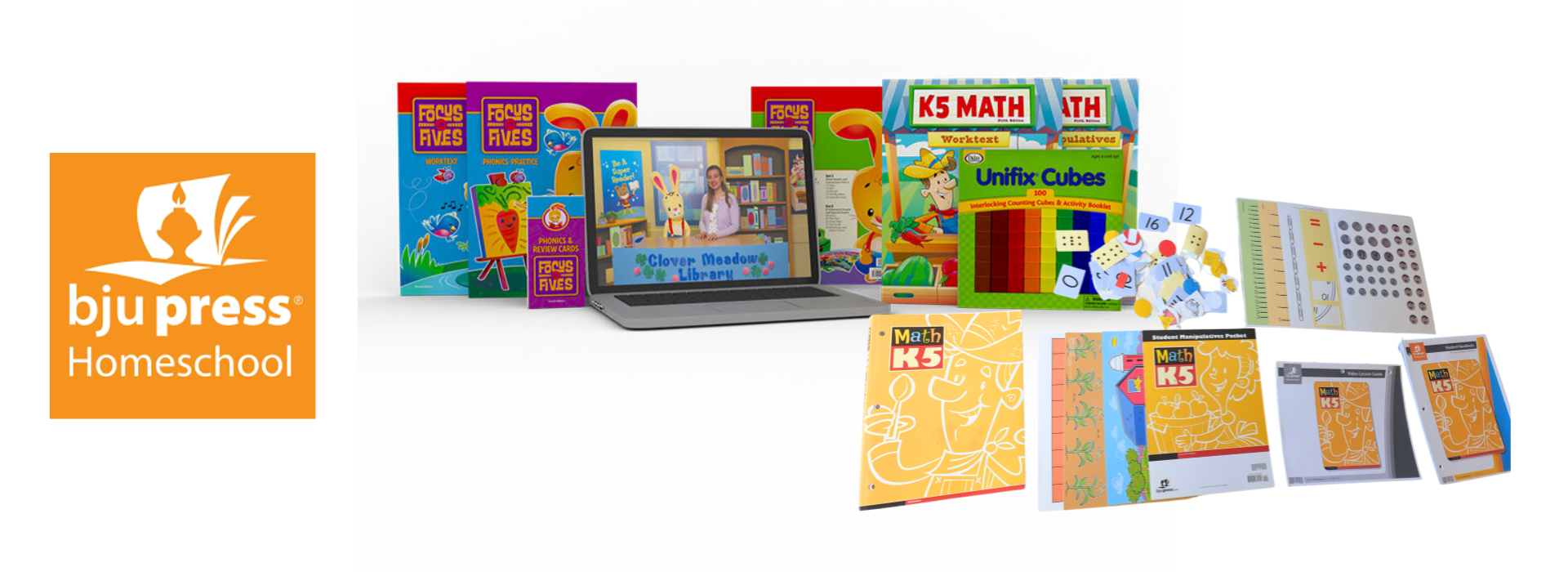
This is their kindergarten math curriculum (all the primary math programs have lots of manipulatives!)
1. BJU Press Math
Best for:
Busy homeschool parents who want strong Christian math instruction without having to teach every lesson themselves
(also great if you’re not confident teaching math, you have toddlers, wants strong academics without doing it all yourself).
At a Glance
Homeschool philosophy: Traditional Christian
Teaching style: Spiral
Manipulatives: Yes
Parent involvement: Low with video lessons
Video lessons: Yes
Best ages: K-12
Approximate price: $369 per year depending on package (check sales or current price here)
There’s a quick video about BJU Press math below with pictures of the curriculum!
What parents love
If you don’t have time, you work from home, or don’t feel confident teaching math, BJU Press has homeschool math lessons with a teacher.
That is, you get a box in the mail with all the physical workbooks, then you do an online math program with a pre-recorded video teacher.
What this means is you don’t have to figure out the material yourself, and, after about 2nd grade, your child can teach themself using this program!
For us, my son was 95% indpendent by the end of grade 2!
My daughter is currently doing Grade 1 Math and finds its a fun homeschool math curriculum because the workbooks are really bright and they use lots of manipulatives, including unifix cubes that help teach tricky concepts.
It’s also a Christian curriculum which weave a biblical worldview throughout the material which we love!
Potential drawbacks
The program includes a lot of work in it, so we skip some problems.
However, it’s a wonderful option for struggling math students as you can just do all the material provided and it goes through everything step by step.
If your child wants to speed it up, they can skip problems. If you want to slow it down, just do it all!
But that price tag can be a bit rich for some families, so how about something similar (and this next one is secular).
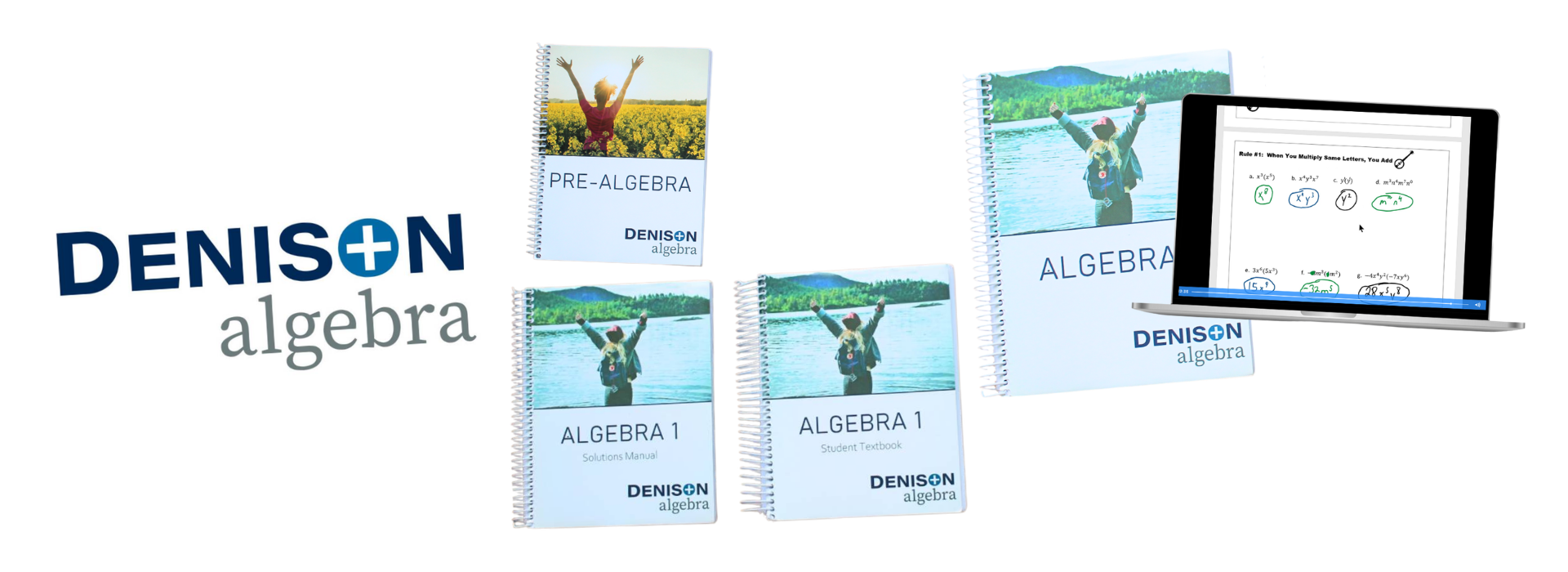
2. Denison Homeschool Math
Best for:
Good homeschool math curriculum for ages 12 and over, particularly struggling math learners (Pre-Algebra and above).
At a Glance
Homeschool philosophy: Traditional, Secular
Teaching style: Mastery + review
Manipulatives: No
Parent involvement: Low
Video lessons: Yes
Best ages: Grades 7-12
Approximate price: ~$170-190 per year
What homeschool moms love
If you have math haters who are ages 12 and over, this is one of the best homeschool math curriculum for struggling students.
The program walks kids through math concepts in a mastery way (not moving on until they’ve mastered the concept). Then they do intentional review theron to make sure they’re not forgetting concepts. It’s a very gentle way to learn math and doesn’t assume knowledge.
It only takes about 50 min a day too, so it’s not overwhelming.
Potential drawbacks
This one is a fantastic curriculum and doesn’t have many downsides except maybe that it’s quite easy so won’t suit gifted math students.
Also, you only get 15 months of access to video lessons which some parents think is a bit stingy (BJU Press and Abeka give you 18 months, but timing varies).
However some parents want a math program that they can take wherever they go, shopping, waiting for siblings at sports, and more. And perhaps something more gameified…enter teaching textbooks…an entirely online math curriculum!
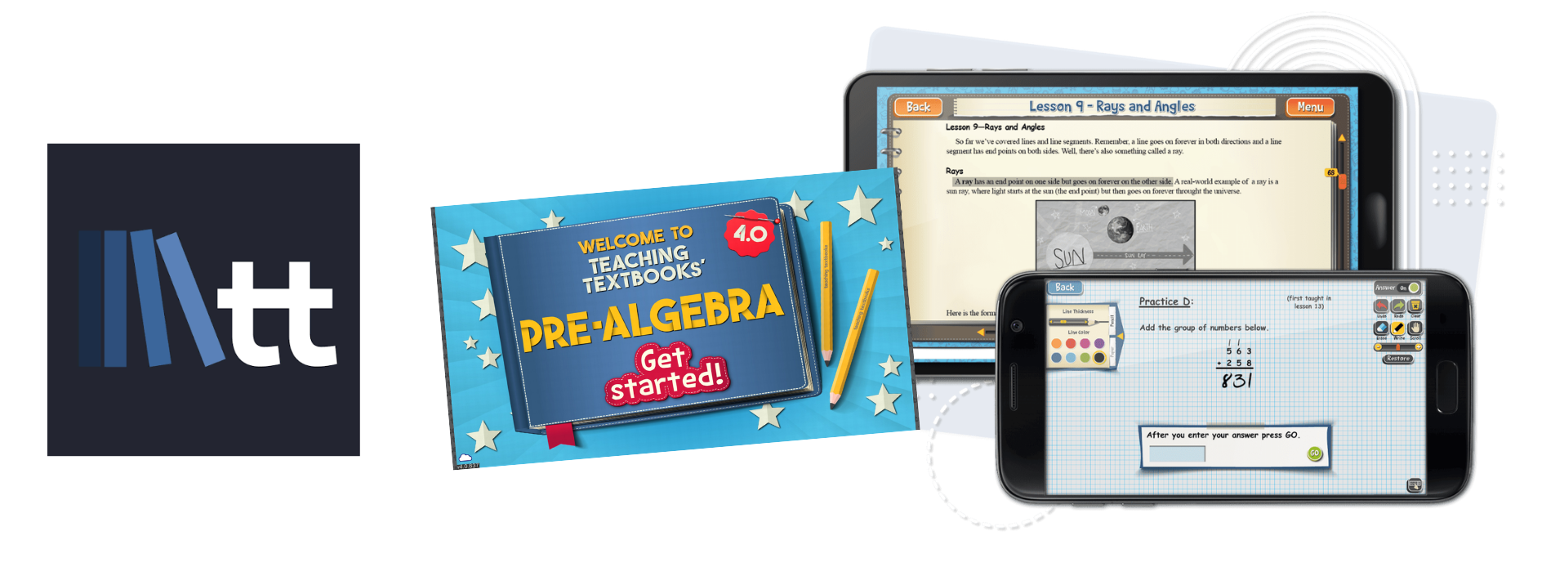
Teaching Textbooks is one of the best math curriculums if you want something COMPLETELY online.
3. Teaching Textbooks - Homeschool Math ONLINE
Best for:
Independent learners who dislike math. And parents wanting a 100% online homeschool math curriculum!
At a Glance
Homeschool philosophy: Traditional, secular
Teaching style: Spiral
Manipulatives: No
Parent involvement: Very low
Video lessons: Yes (no workbooks)
Best ages: Grades 3-12
Approximate price: $50-80 per student/year (check sales or current pricing here)
What homeschool moms love
Probably the best fully online math curriculum. That is, you don’t need physical textbooks, and the work is pretty easy and so fun a lot of kids don’t realize they’re learning.
This is the least effort involved from parents of any of them. Moms can work from home, and kids can learn math, going through the word problems themselves.
It’s not too rigorous, so if you’re kids don’t want to do college level math, it can work very well.
Potential drawbacks
Students can cheat pretty easily with this one.
They can have a hard word problem, fudge it, then move on, without the system making them work it through. So it seems like they’re progressing but sometimes they’re skipping the hard stuff.
Also, students seem to place a lot higher in this one…one mom said her kids tested two grades behind when they did the Saxon Math placement test which is considered a fairly rigorous math curriculum. It’s also pretty popular too.
So let’s talk about Saxon Math next.
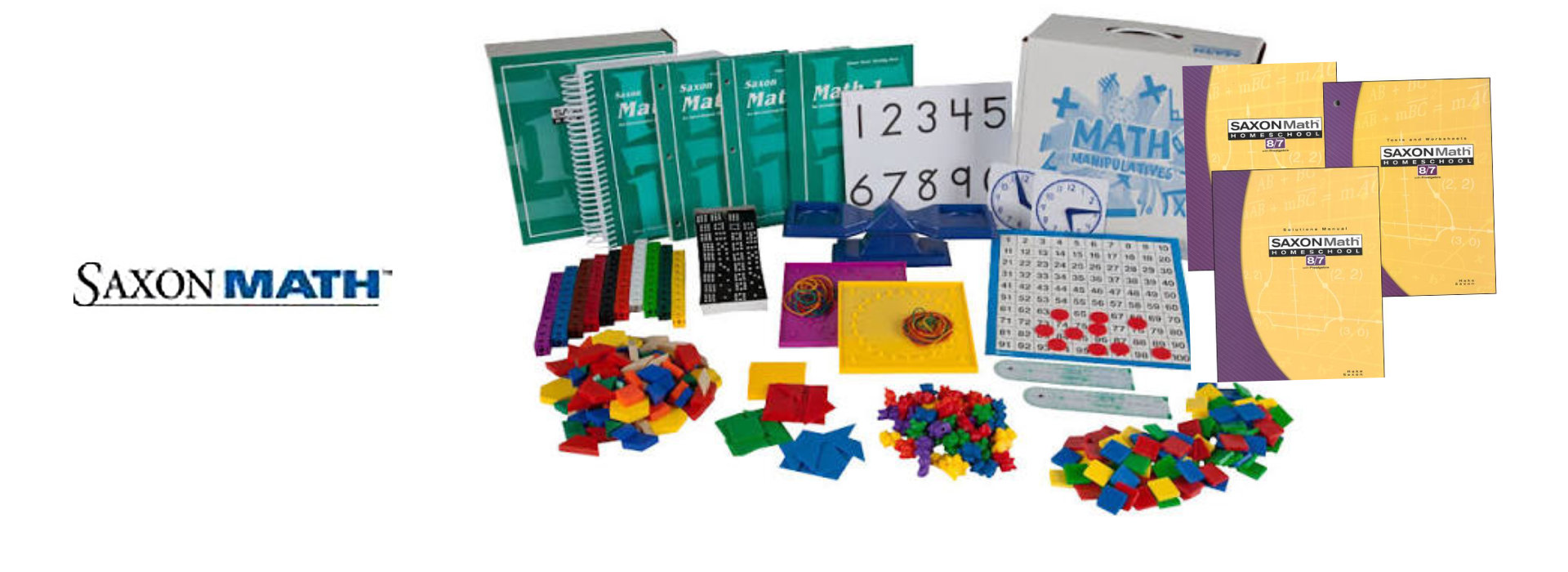
Saxon Math homeschool curriculum is considered a worksheet heavy, fairly robust curriculum!
4. Saxon Math Homeschool Curriculum
Best for:
Families wanting thorough instruction and lots of built-in review
At a Glance
Homeschool philosophy: Traditional, secular
Teaching style: Spiral
Manipulatives: Yes, in the younger years, minimal in the upper grades
Parent involvement: Medium to high
Video lessons: Optional add-ons available
Best ages: K-12
Approximate price: $120-$350 per level (+/- video lessons)
What homeschool moms love
If you’re a mom who wants a rigorous homeschool math program with lots of review. Something that’s not going to miss dotting a box or crossing a multiplication problem, Saxon is for you.
It’s the type of program you’d find in a top grammar school; not fun, but thorough!
Potential drawbacks
God help the homeschool mom or dad who struggles with math as unless you get the video lessons, it can be quite mom heavy.
Daily lessons are comparatively long and kids can burnout with the length and repetition. Parent involvement is often needed if no video lessons, especially in the younger years.
At the end of it all, you might just want something a little more fun! So there’s Math-U-See…
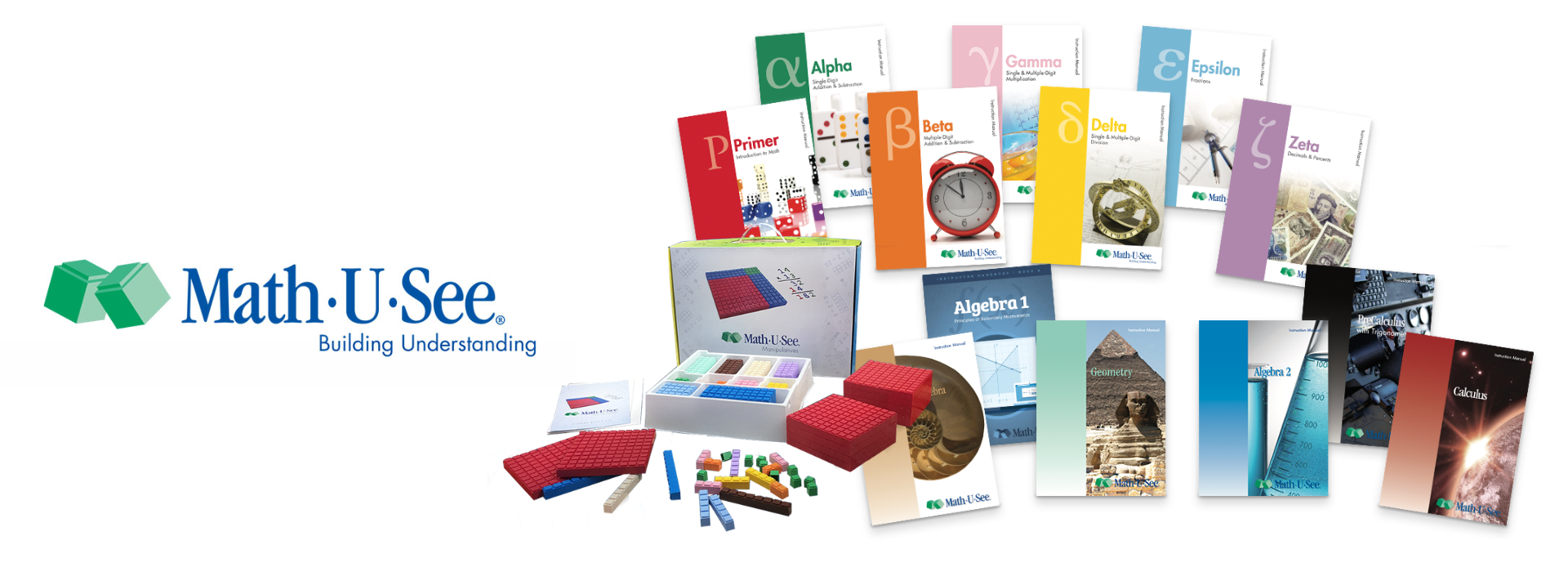
Math U See is considered a good option for dyscalculia or math dyslexia.
4. Math-U-See
Best for:
Visual learners and children with dyslexia
At a Glance
Homeschool philosophy: Traditional, Secular
Teaching style: Mastery
Manipulatives: Yes
Parent involvement: Medium
Video lessons: Yes
Best ages: K-12
Approximate price: $140-$280 per level
What homeschool moms love
If you’ve got a kinesthetic learner, the manipulatives can really help, as Math-U-See is quite a hands on homeschool math curriculum.
Dyslexic kids and kids who struggle with math really appreciate concepts being taught with cubes rather than just theoretically. (I understand this because, we use BJU Press Math with my son, Luke, who’s dyslexic and it’s been amazing with the manipulatives).
Potential drawbacks
Workbooks can be fairly plain.
And It’s quite a simple academic level, which is great if you don’t need hard, but it’s not as challenging as a lot of families want. Also, it will take a LOT of teaching from mom or dad if you’re not using the video lessons.
So perhaps you want something that encourages more independence.
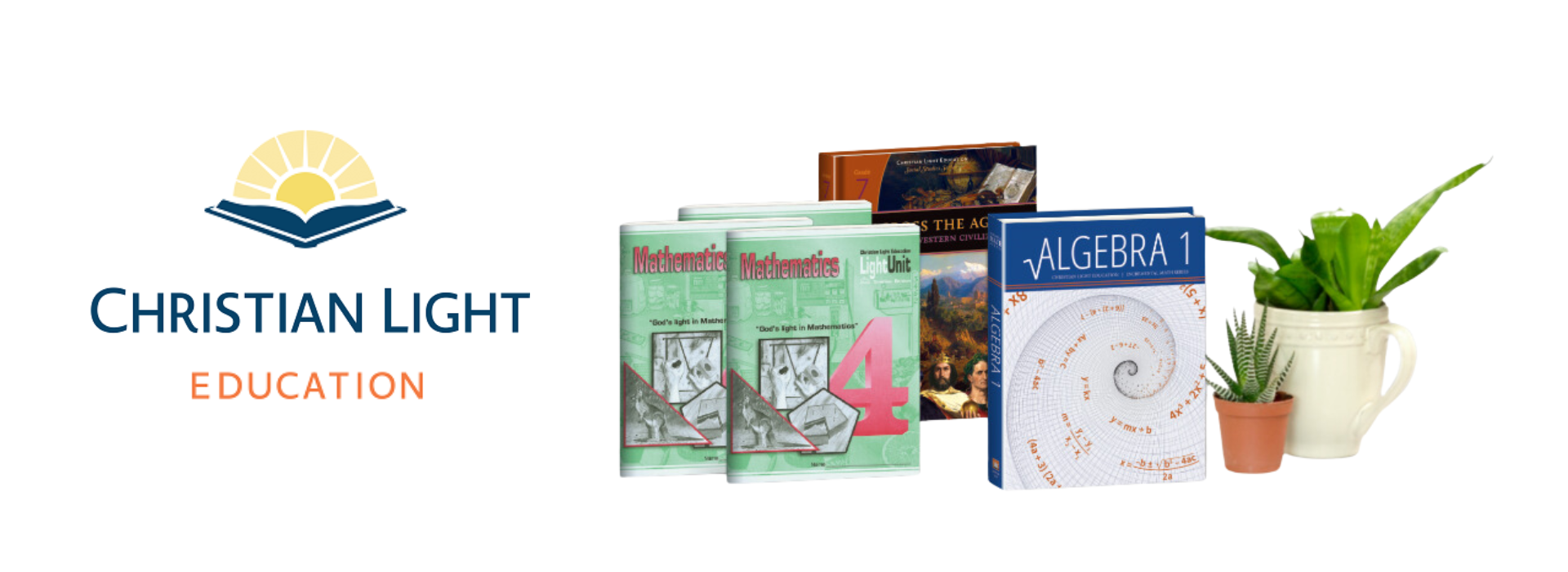
5. Christian Light Education (CLE)
Best for:
Families wanting a simple open-and-go curriculum.
At a Glance
Homeschool philosophy: Traditional, Christian
Teaching style: Light spiral
Manipulatives: No
Parent involvement: Low to medium
Video lessons: No
Best ages: K-12
Approximate price: ~$100 per level
What moms love
The simplicity. With CLE Math, you get a bunch of Light Units.
These are mini workbooks your kids do by themselves. In the younger grades you’ll need to help them by reading out the work problems, but in older grades they go to it themselves.
It’s not too hard, and not too easy. It’s black and white simplicity. It’s also a great Christian homeschool math option.
Potential drawbacks
Some kids feel it is long and boring. But people generally love this for its simplicty and price point.
And its simplicity can be appreciated or not. But something that’s generally considered a lot more fun is Math with Confidence.
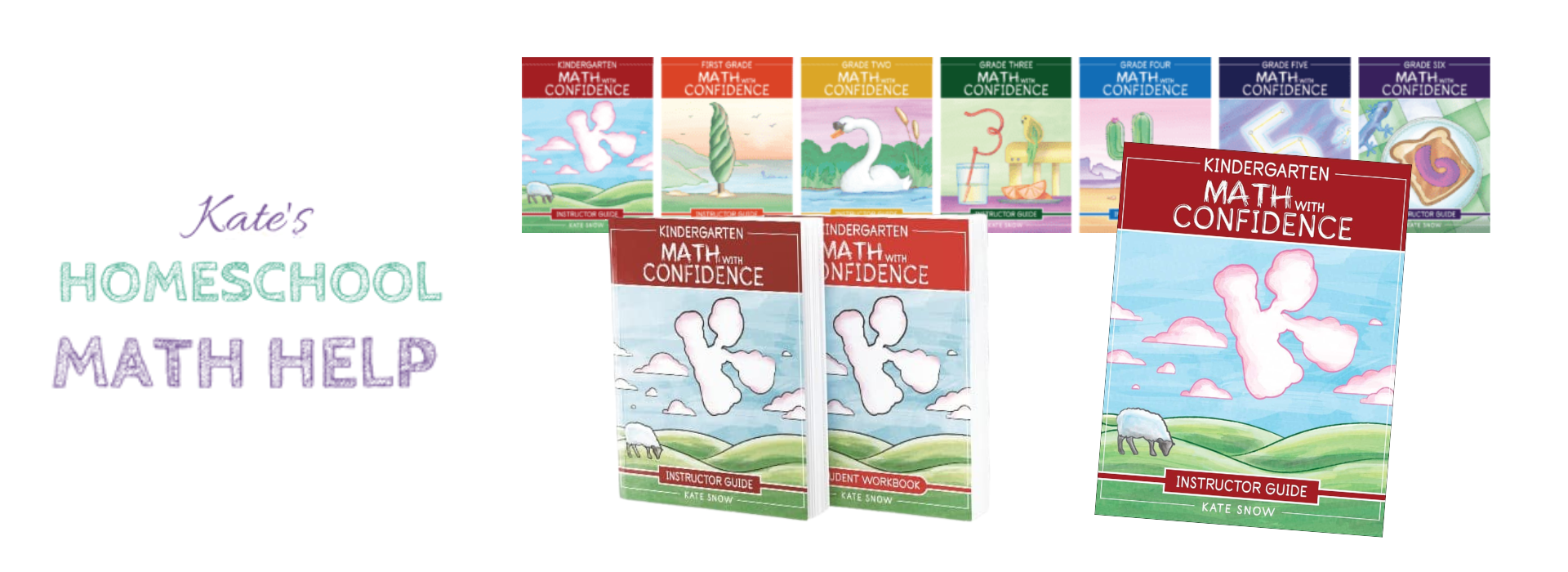
6. Math With Confidence
Best for:
Elementary students needing confidence and games.
At a Glance
Homeschool philosophy: Gentle, secular
Teaching style: Mastery with spiral review
Manipulatives: Yes
Parent involvement: High
Video lessons: No
Best ages: K-6
Approximate price: $45-100 per level
What homeschool moms love
If you want a really slow gentle start to homeschool math with a child who may be easily overwhelmed, Math With Confidence is great. You can use household items for many of your manipulatives or get their set online instead. They’re pretty affordable for a set like this too. It can be fun if you have time for it!
Potential drawbacks
The Math With Confidence homeschool curriculum can take a lot of time to teach for parents! It’s a much beloved curriculum and some kids get it done with only 20 min of involvement from mom or dad, while others say it can feel like it’s taking all day!
But some people say it is a bit too slow for them, they want something that runs a little faster, maybe a lot faster…which leads us to Math Mammoth
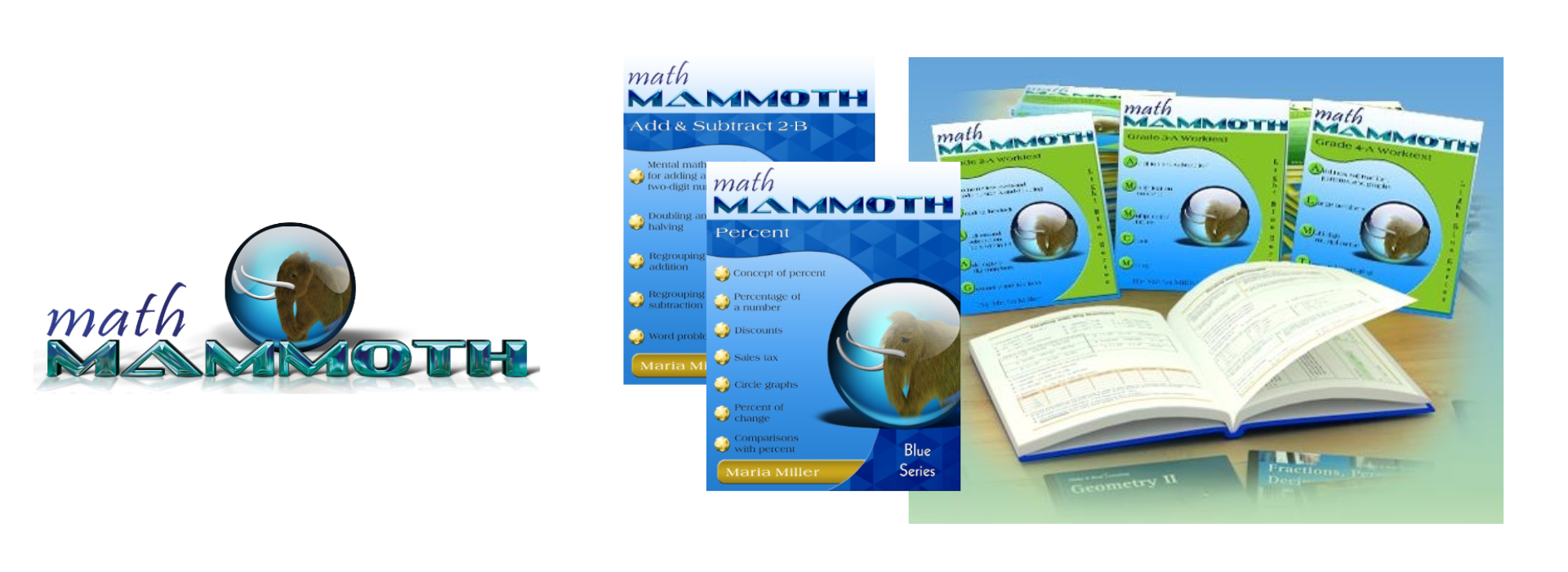
7. Math Mammoth
Best for:
Independent learners who need strong academics; gifted students.
At a Glance
Homeschool philosophy: Traditional, secular
Teaching style: Mastery
Manipulatives: No
Parent involvement: Low to medium
Video lessons: No
Best ages: Grades 1-8
Approximate price: $50-$100
What homeschool moms love
Math Mammoth focuses on a deep understanding of concepts so kids get a good foundation in math so it’s quite different from other math programs. It’s also fairly independent learning with no teachers manual needed.
Potential drawbacks
Because it’s quite conceptual, kids think in pictures and it’s not really hands-on.
Some like this; others don’t. Also it’s advanced, it can move too fast for students who aren’t so good at math. And it’s secular, so you’re not going to get that biblical perspective in math.
Now, Math Mammoth is often compared with another favorite for gifted math students…Singapore Math.
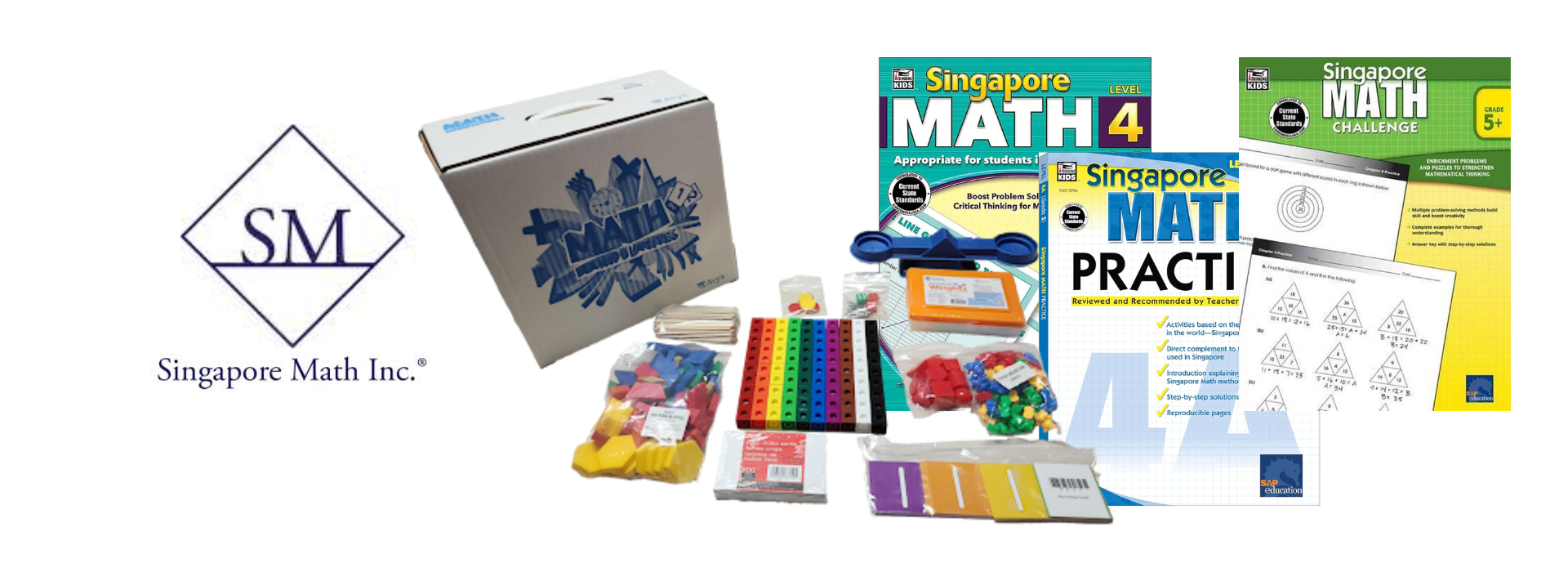
8. Singapore Math (Dimensions and Primary)
Best for:
Strong conceptual thinkers and gifted learners.
At a Glance
Homeschool philosophy: Traditional, Secular
Teaching style: Mastery
Manipulatives: Yes
Video lessons: Optional videos provided by third parties
Parent involvement: Medium
Best ages: K-8
Approximate price: $70-$150 per level
What moms love (actually math teachers love this one a lot!)
Singapore Math focuses on the why behind the process and not just on the process of doing this and that. It’s straightforward and has a simple workbook and worktext to follow. There’s also extra review if needed. It’s concise and advanced so great for gifted kids, or kids who excel at math.
Potential drawbacks
But it’s rigorous nature also means it’s not gentle! If you want an easy intro into math for kids, you won’t get it with this program! It’s also not faith based, even though it’s often sold on Christianbooks.com!
Singapore Math: Primary vs Dimensions
There are also two versions of Singapore Math. The Primary Math (thier original, and Dimensions, their newer version). If you want more black and white simplicity, go with Primary math (up to Grade 6); but if you want all the bells, whistles and color, go with the newer Dimensions series (goes up to Grade 8).
But rigorous math is a headache for a lot of kids who just want something more simple and fun. So let’s talk about Gather Round Math, which is the new kid on the block!
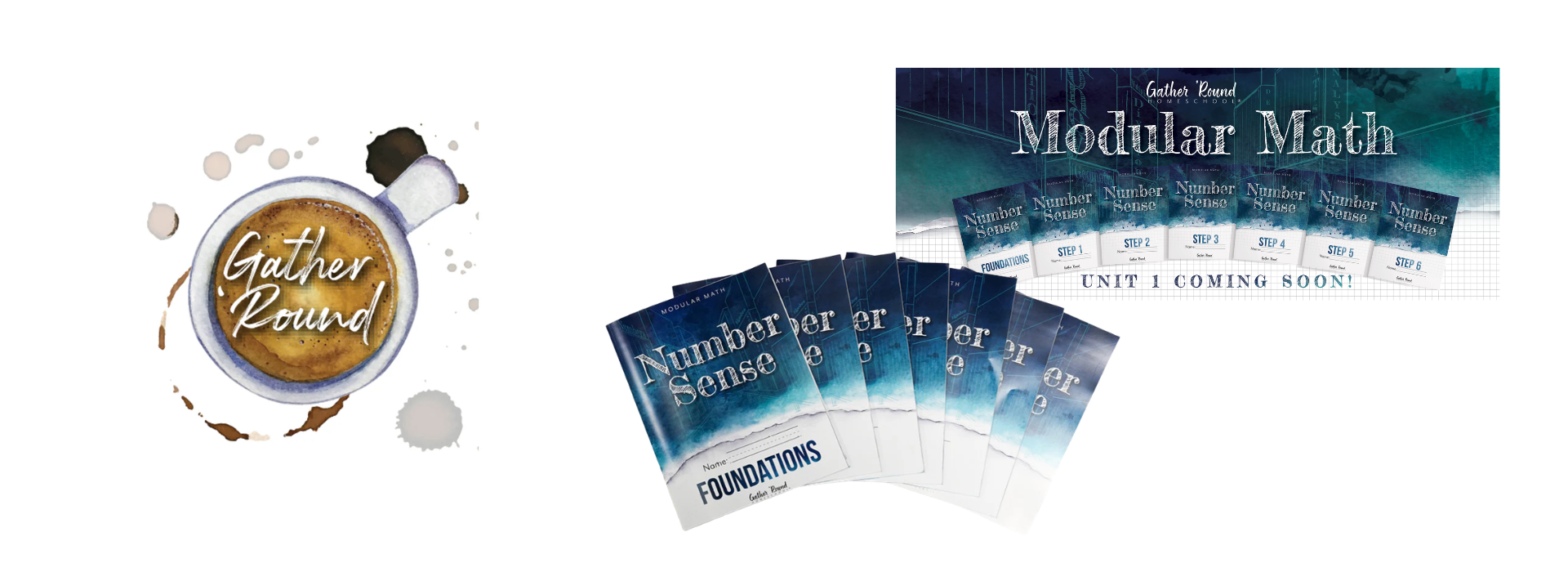
9. Gather Round Math
Best for:
Kids who dislike traditional math and want to do math in small booklet chunks.
At a Glance
Homeschool philosophy: Unit-study, Christian
Teaching style: Hybrid, mastery and spiral
Manipulatives: There’s talk of a Math box (but I can’t find much info on it!)
Parent involvement: Medium
Video lessons: No
Best ages: Grades 1-8
Approximate price: $135 per child per year.
What homeschool moms love
The workbooks are quite small and only cover 20 days (through 10 lessons). It’s not cheesy and does a great job of explaining and including the Bible in it.
Potential drawbacks
Some folks feel it’s a bit expensive for just some workbooks for the whole year that don’t include video lessons. But this curriculum is so new, I can’t find many complaints yet…time will tell.
However there are some other popular options I’ll mention briefly
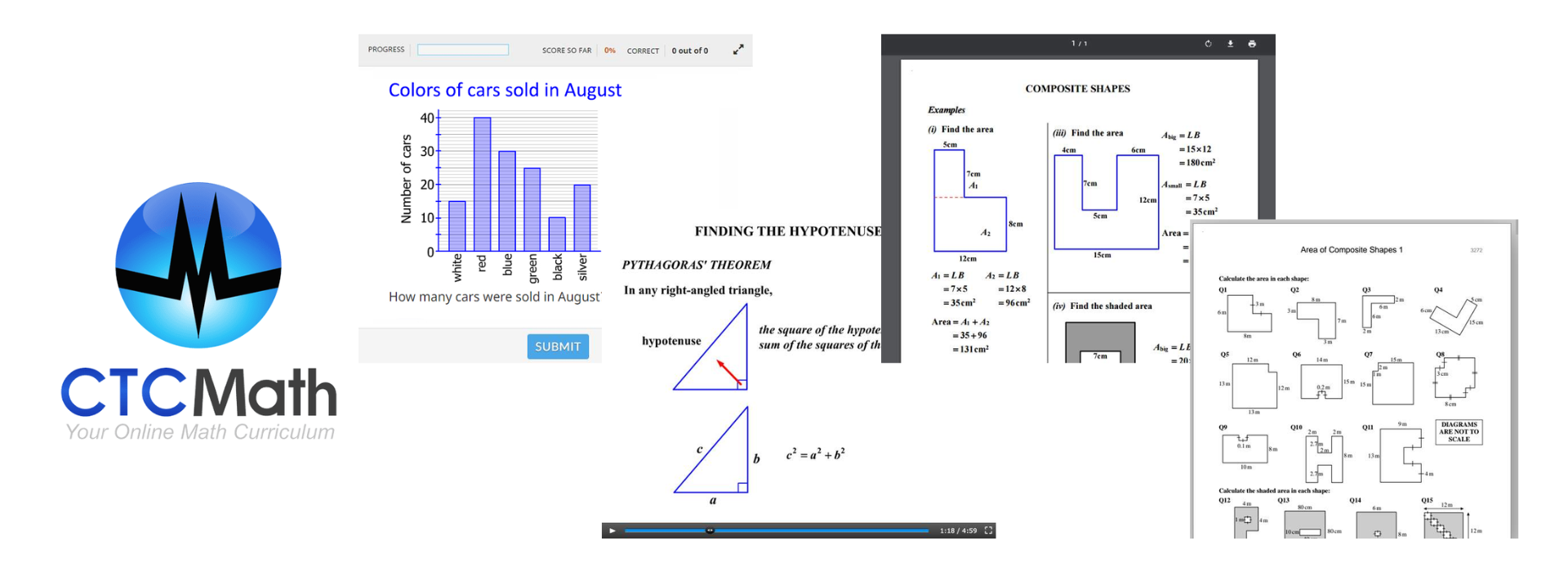
10. CTC Math
CTC Math is an online homeschool math curriculum. It uses short video lessons followed by interactive questions. You can work from home and homeschool as kids can do it pretty independently.
One subscription includes every grade level, making it easy to revisit concepts and fill learning gaps.
But, some families feel it lacks the deeper conceptual understanding and hands-on learning found in other programs.
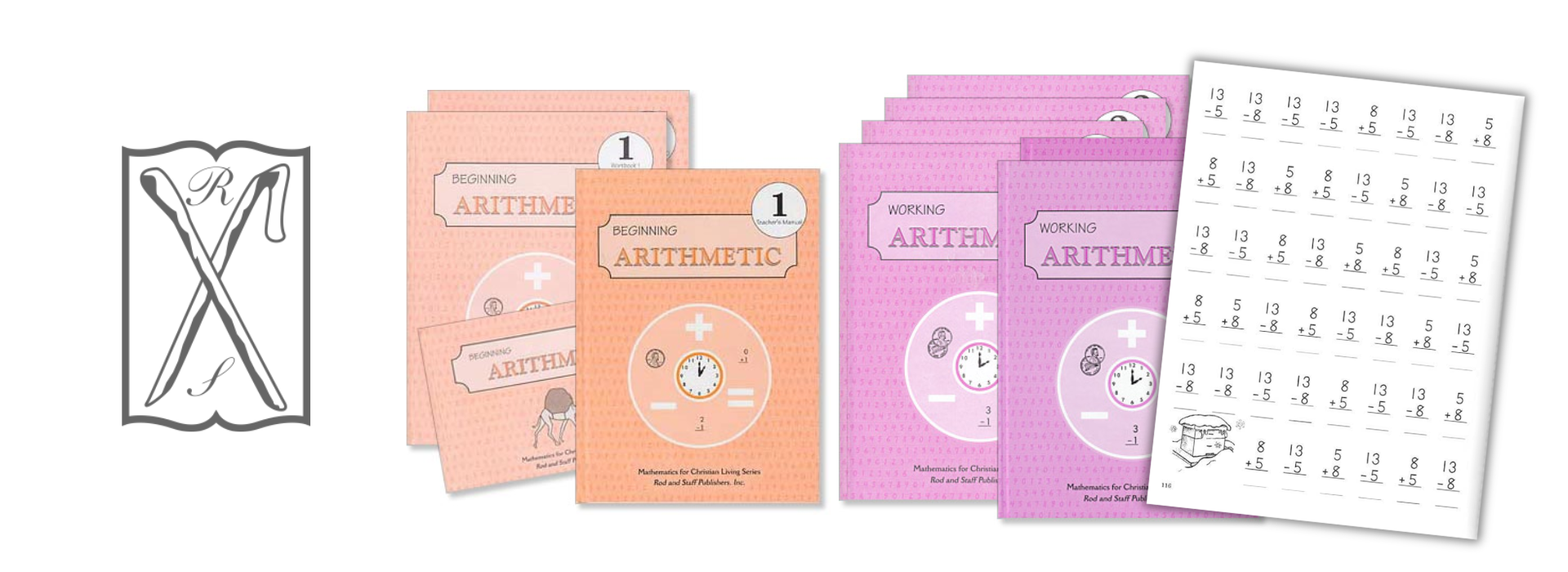
11. Rod and Staff Math
Rod and Staff Math is a traditional Mennonite Christian homeschool math curriculum created. It makes hardcover homeschool math books that are black and white with no frills.
Instead, the focus is on strong foundations, drill, memorisation, and plenty of review. The curriculum was originally designed for classroom use, so lessons can be quite lengthy and often require some parent involvement, especially in the younger years.
While it isn't hands-on and uses very few manipulatives, many homeschool families love its affordability, thoroughness, and no-nonsense approach to building solid math skills.
12. Abeka
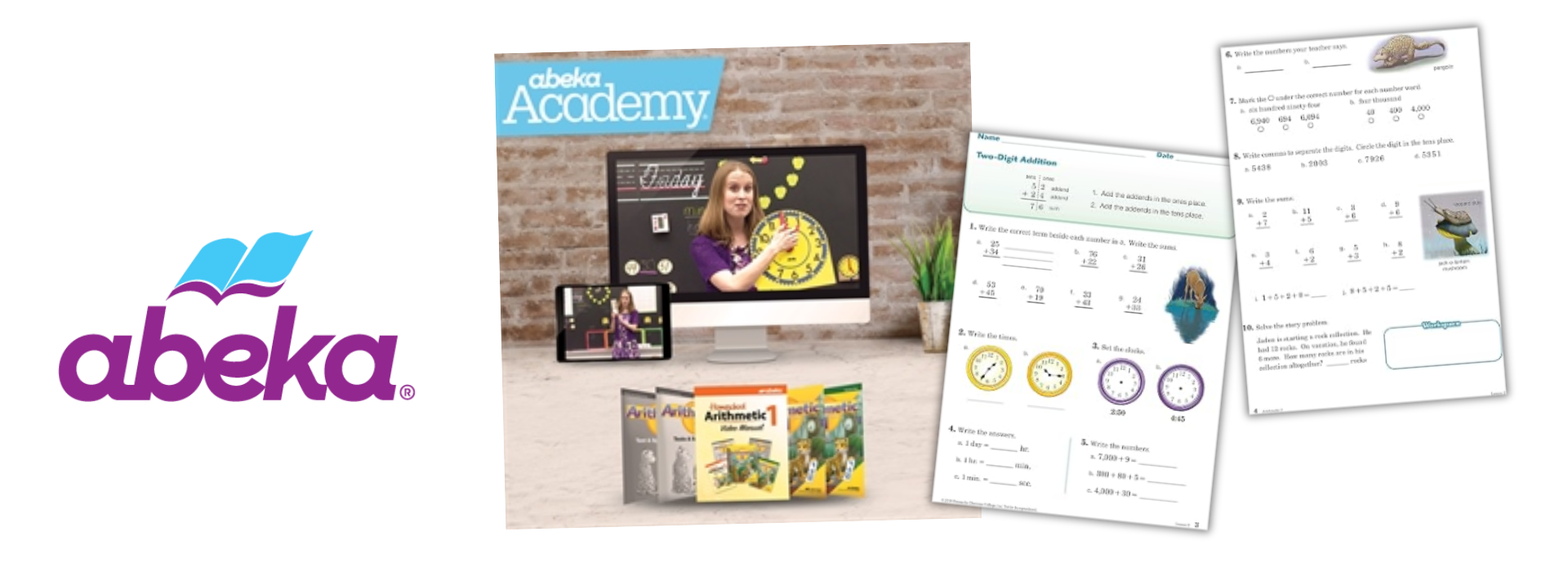
Abeka Math is a traditional Christian homeschool math curriculum known for its rigorous, structured approach and strong emphasis on memorisation, speed drills, and continual review.
Families can choose between parent-led textbooks or one of Abeka's online homeschool math courses through Abeka Academy, where experienced teachers deliver video lessons for students from K-12.
Many homeschool families love the thorough instruction and independence the video option provides, while others find the workload quite heavy and fast-paced (I used it when I was a kid and I remember crying over thier math curriculum!).
13. Masterbooks
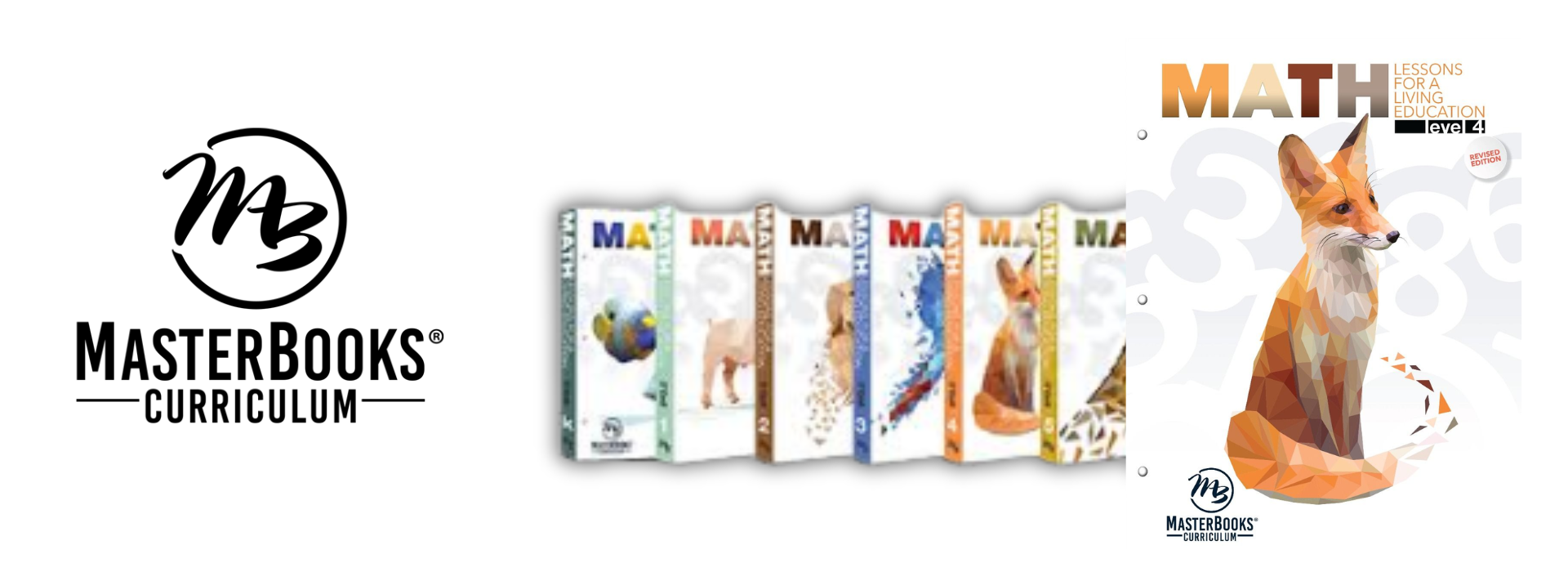
Master Books Math is a gentle Christian homeschool math curriculum that combines short lessons, colourful pages, and a low-prep approach.
Some parents love it and feel it's one of the best homeschool math curriculums for elementary students because it's easy to use and many children can work quite independently.
They also offer affordable, short video lessons through Master Books Academy, which can provide extra support for parents who don't want to do all the teaching themselves. However, the levels don't always align neatly with traditional grade expectations, so unlike most homeschool math programs, I recommend using the Master Books homeschool math placement test rather than simply choosing the grade level in the title.
(I wasted $100 on their kindergarten curriculum which was too easy for my daughter in the end.)
But maybe you have a gifted child. Then there are some specailly beloved homeschool math programs for gifted kids below…
Math Programs for Gifted Kids
If you have a math wiz at your house, consider these progrmas which are fairly rigorous
Singapore Math - secular
Math Mammoth - secular
Abeka Math - Christian worldview
Affordable Homeschool Math Picks
Some math programs that won’t break the bank include:
Easy Peasy - an online free math program for homeschoolers (it includes business math)
Generations Math - one big math book for the year for about $30 - amazing
Masterbooks - workbooks are very affordable.
Schoolhouse Teachers - you get math for all your kids for one price
Consumer Math Homeschool Curriculum
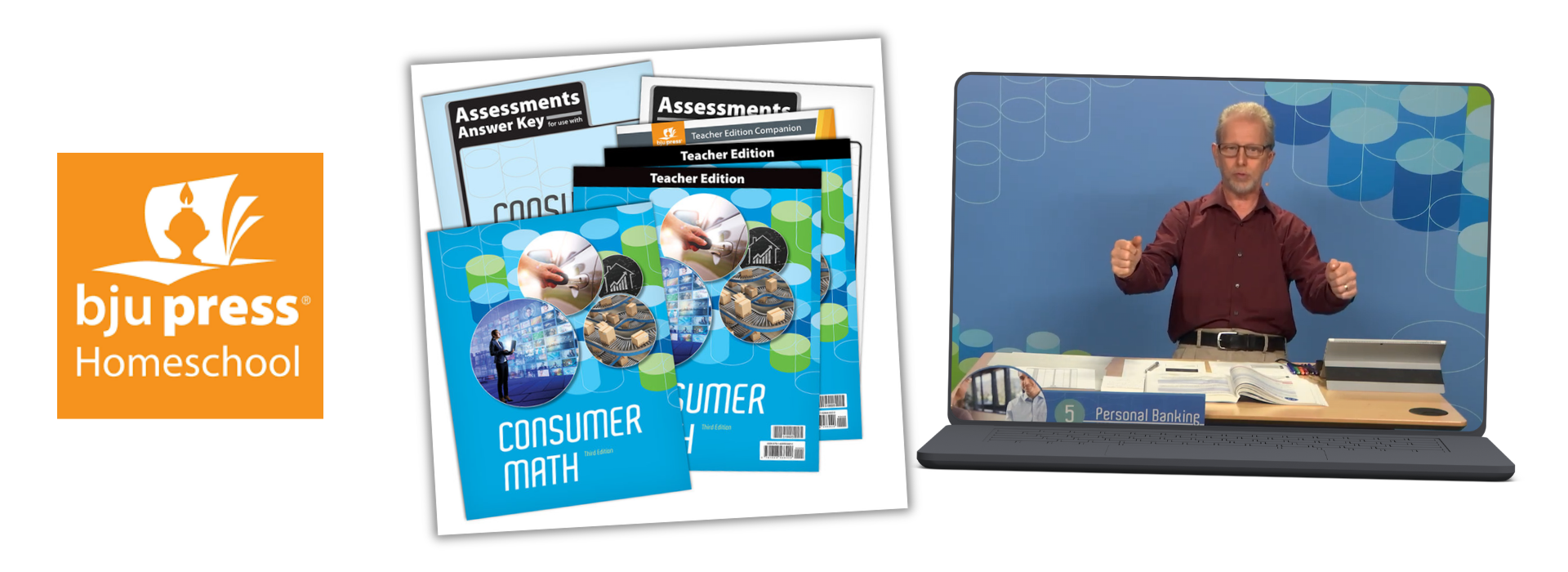
BJU Press also offers a Consumer Math course (pictured above) for high school students, and it's one of those electives that teaches genuinely useful life skills.
Instead of focusing on algebra or geometry, students learn practical topics like budgeting, banking, taxes, purchasing homes and vehicles, planning vacations, and making wise financial decisions from a biblical perspective.
The online version includes engaging video lessons, and the video teacher, Mr Harmon (pictured above), is hilarious too!
Several families commented that it was one of their teenagers' favourite subjects because it felt relevant to real life rather than just another math class.
If you have a teen who constantly asks, "When am I ever going to use this?", this could be a fantastic option.
It also works particularly well for busy families, as the lessons are short (around 20 minutes), organised, and can be completed quite independently.
It can be pricey though, so check out the current price here.
Kindergarten Math Curriculums
Kindergarten math is often included as part of a larger homeschool curriculum rather than being purchased as a standalone subject.
Many families use an all-in-one program in the early years and then switch to a dedicated math curriculum as their children get older.
If you're homeschooling a kindergartener, I'd recommend starting with my guide to the best preschool or kindergarten homeschool curriculums, where I compare some of the most popular options and explain which types of learners they suit best.
Homeschool Math Sheets
If you're simply looking for extra practice, Teachers Pay Teachers is a fantastic resource for free homeschool math sheets.
You'll find thousands of printable worksheets covering everything from number recognition and addition to fractions, multiplication, and high school math topics.
It's particularly useful if you need to fill learning gaps or add a little extra practice alongside your main math curriculum.
LIVE online Math Classes for Homeschoolers
If your child is really struggling with math, sometimes the best thing you can do is bring in outside help.
Veritas Press offers LIVE online math classes taught by experienced teachers, giving students the chance to ask questions and learn alongside other homeschoolers.
It's one of the closest alternatives to hiring a homeschool math tutor, but often at a much more affordable price.
If you're feeling stuck, I'd encourage you to book a free consultation to see if you can get it for free using ESA funds and to discuss your child's needs and see whether their classes would be a good fit.
Best Homeschool Math Curriculum for ADHD
If you're searching for the best homeschool math curriculum for ADHD, I'd particularly recommend Math-U-See and BJU Press Math.
Math-U-See is my top pick because it uses a mastery approach, allowing children to focus on one concept at a time rather than constantly jumping between topics. The hands-on manipulatives, short video lessons, and visual teaching style can make math feel much less overwhelming for children who struggle with focus or become easily frustrated.
BJU Press Math is another excellent choice, especially for busy families. The engaging video teachers do most of the teaching, the colourful workbooks help maintain attention, and children can work quite independently. Since the lessons are already planned out, it also removes a lot of pressure from parents who don't feel confident teaching math themselves.
Of course, every child with ADHD is different, but in general, children tend to thrive with short lessons, engaging teachers, plenty of visuals, and less parent lecturing, which is exactly why these two curriculums consistently rise to the top of my recommendations.
Fun Homeschool Math Resources
If your child is getting bored with worksheets, don't underestimate the power of adding a few fun math resources into your homeschool. Sometimes a $20 game can completely change a child's attitude towards math.
Some of my favourite options include MathLink Cubes, fraction tiles, magnetic ten frames, base ten blocks, multiplication games, rekenreks, money games, and hands-on counting games. Brands like Learning Resources, Coogam, and Little Bud Kids have some fantastic options.
You don't need to buy everything, either. I recommend choosing one resource for the skill your child is currently learning. For example:
🔢 MathLink Cubes – number bonds, counting, patterns, and early algebra
🍕 Fraction Tiles – understanding fractions visually
✋ Ten Frames – addition and subtraction fluency
💰 Money Games – real-world money skills
✖️ Multiplication Games – making times tables more enjoyable
🧮 Rekenreks and Abacuses – mental math and number sense
I particularly love adding these resources if you have a child with ADHD, dyslexia, or a child who simply hates math, because they turn abstract concepts into something children can physically see and touch. Even if you use a traditional curriculum like BJU Press, Saxon, or CLE, adding a few hands-on games can make a huge difference.
Which One Do We Personally Use?
We personally use BJU Press Math in our homeschool.
It isn't necessarily the "best" homeschool math curriculum for every family, but it suits our season of life really well.
As a work-from-home homeschool mom, I love that the video teachers do the teaching for me.
The workbooks are really colourful and keep my children engaged, and it gives me confidence knowing they're receiving a solid education from experienced teachers without me having to stand at the whiteboard every day.
For busy parents like me (I work from home, keep a vegie garden alive, and supervise a toddler while homeschooling!), that can be a game changer. Check it out here.
Final Thoughts
The truth is, there isn't one perfect homeschool math curriculum.
The best curriculum is the one your child will actually complete consistently.
If your child hates math, choose something engaging. If they need constant review, choose a spiral program. If they thrive independently, choose something with video instruction.
Sometimes finding the right math curriculum can turn a daily battle into your child's favourite subject.