Gather Round: Will It Fill the Gaps or Create HOLES in Your Homeschool Plan?
Gather Round. The bright, beautiful, Instagram-famous curriculum that promises to gather your kids around the table… or quietly leave your homeschool riddled with educational HOLES you won’t discover until your child is 18 and someone casually asks them, “So… what’s long division?”
I’ve always wondered about this curriculum.
Not in a casual, “Oh that looks nice” way.
More in a 2 a.m. homeschool-mom anxiety spiral kind of way.
Because here’s the fear: What if I used Gather Round as a full curriculum, trusted it completely… and there were so many gaps I needed an educational plumber on speed dial?
And what if I missed one?
Cue the nightmare scenario:
My grown child standing in a job interview, confidently explaining the migration patterns of penguins…then freezing solid when asked to do basic fractions.
“Moooom,” he says later, wounded and dramatic. “Why didn’t you teach me math properly?”
So naturally—because I’m me—I downloaded two units (Vikings and Life Skills…my printer was dying at the end) and thoroughly reviewed the curriculum in person.
THEN, I went digging through Christian homeschool forums to see if anyone else had the same fear.
Spoiler alert: Oh yes. They did.
And the comments?
They did not disappoint as you will see!
Some links are affiliate links and help support this blog at no extra cost to you. Thank you!
A Quick Credibility Check (Because Context Matters)
Before we go any further, let me tell you who’s talking.
I’m Rebecca Devitt.
I’ve been researching homeschool curriculum for over 10 years.
I’ve read so many reviews, forum threads, and comment sections that I could honestly wallpaper my house with them. I’ve seen the hype cycles. I’ve seen the heartbreak. I’ve seen the “we loved it for three weeks and then cried” posts.
So what you’re about to read isn’t theory.
It’s patterns—pulled straight from real homeschool moms who actually tried to make Gather Round work.
Let’s talk about what they said.
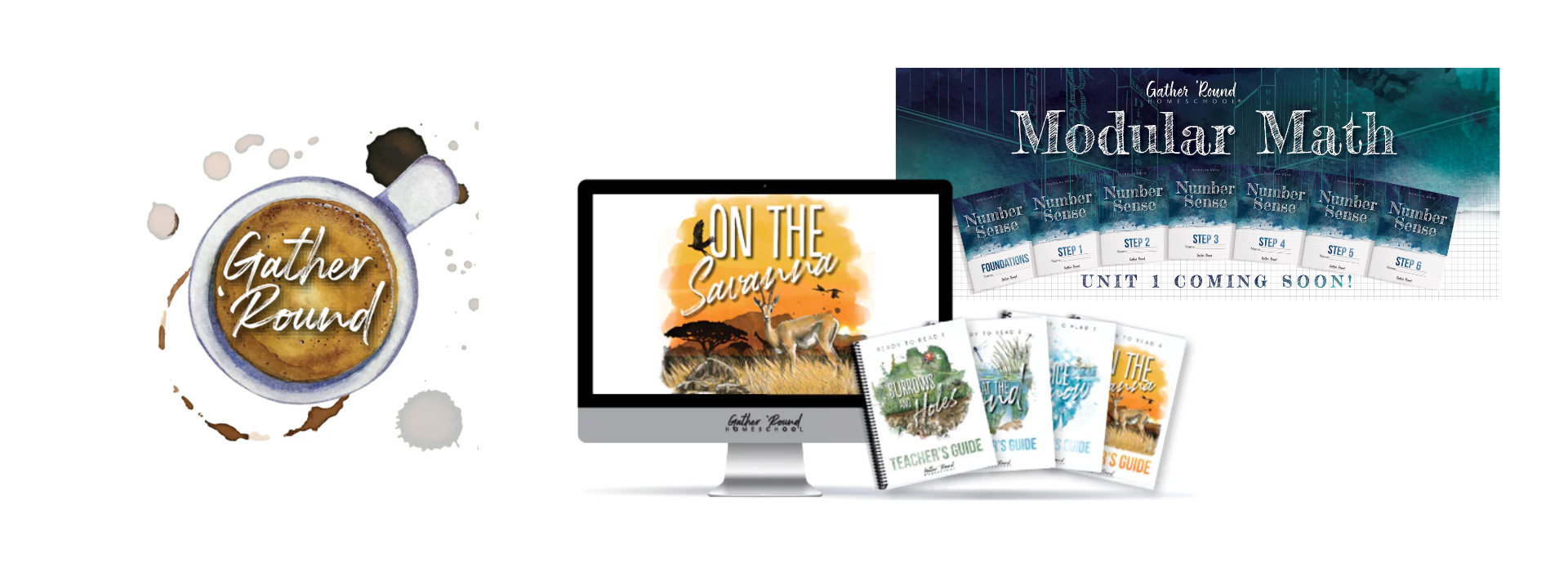
“We Loved It… But Had to Supplement EVERYTHING”
This is where things get interesting—and a little concerning.
Over and over again, moms came back to the same issue: thoroughness.
One mom wrote:
“We started out with it but I benched it after having to supplement so much because it just wasn’t thorough enough for my kids.”
Another said:
“It wasn’t nearly enough in the language arts department.”
And then there was this gem:
“We tried using it, but we needed to add a supplement to nearly every subject.”
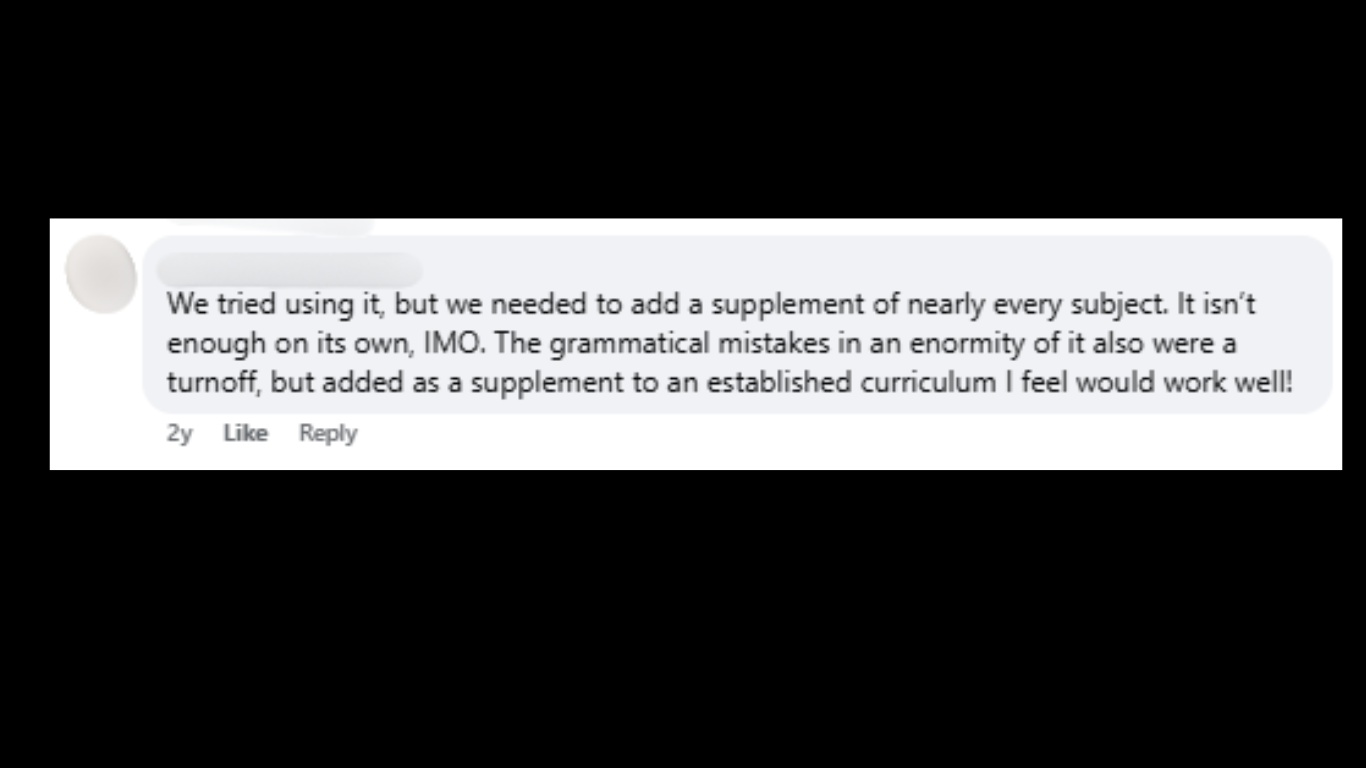
(Quick aside: one mom ended her comment with IMP. I had to Google that. Turns out it means “in my opinion.”
Which is reassuring—because for a hot second I thought she was calling us all imps for even considering it.)
But that phrase—“supplement nearly every subject”—kept popping up.
And that’s the heart of the concern, isn’t it?
Not “Is Gather Round fun?”
(It is.)
But “Can it stand on its own?”
Of course, if you want to go even deeper, I’ve got a full Gather Round breakdown inside the Curriculum Confidence course—with visuals, a proper deep dive, and heaps of real parent comments so you can actually analyze what this curriculum looks like in real life (not just the sales page vibe).

The High School Red Flag 🚩
One of the loudest warning signs came up when parents talked about older kids.
For younger students, Gather Round often feels magical.
It’s colorful. It’s engaging. It feels like a party with pencils.
But once kids hit middle school—and especially high school—the tone of the comments changed.
Parents started saying things like:
“I’m not sure we’ll keep using Gather Round as the kids are older.”
Another mom was even more blunt:
“They are great and fun as unit studies. Personally, I’d only use them in elementary—great option. But I’m not using them with my middle schoolers and up. They are just not enough in many ways.”
The concern wasn’t faith-based.
It wasn’t even engagement-based.
It was depth.
Algebra.
Essay writing.
Transcript-worthy consistency.
Several parents hinted that if they leaned too hard on Gather Round past the elementary years, their kids might graduate knowing everything about niche topics—but lacking mastery in core academic skills.
And really?
That’s a legitimate fear.
If I were relying on it for high school, I’d worry my transcript might end up looking like Swiss cheese.

So… Are There Actually GAPS?
This is the question moms kept circling back to.
Are the gaps massive?
Like “can explain photosynthesis but can’t multiply by 7” massive?
Or are they smaller, quirkier gaps?
Like knowing all the planets in order but never learning how to spell Wednesday?
One mom summed it up perfectly:
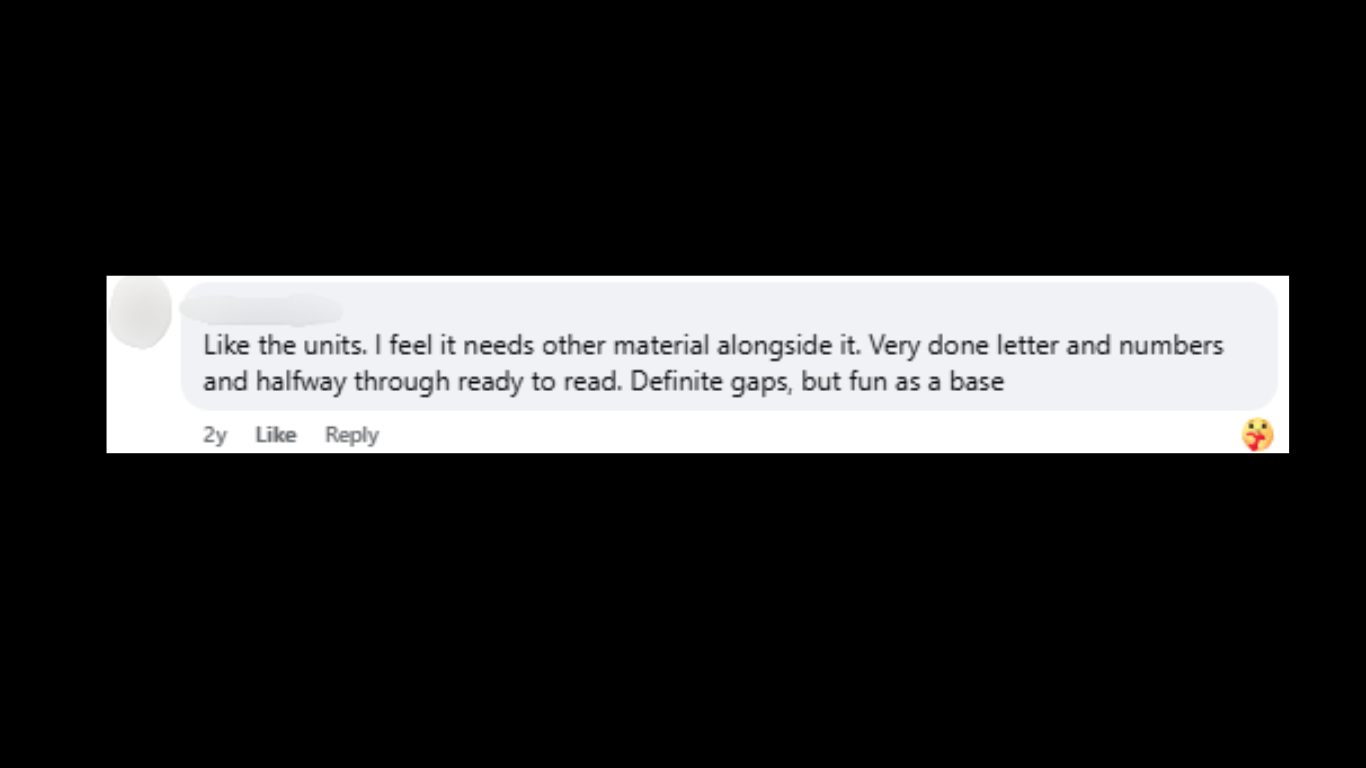
“Definite gaps, but fun as a base.”
Another reframed it completely:
“We use it to supplement and as science or history. The other subjects we do in other curriculums!”
And that distinction matters.
Many moms weren’t using Gather Round as the spine of their homeschool.
They were using it as one beautiful piece of a bigger puzzle.
Which leads to an important realization…
Gather Round as LEGO, Not a House 🧱
Here’s the analogy that kept forming in my head as I read through the comments:
Using Gather Round as a full curriculum is a bit like trying to build an entire house out of LEGO.
The pieces are fun.
They’re engaging.
They spark creativity.
But at the end of the day… the roof still has holes.
Gather Round shines when it’s patching a leak in history or science. It struggles when you ask it to be everything.
“But Gaps Don’t Actually Matter That Much…”
Now, to be fair, not every mom was panicking about gaps.
One comment stopped the scrolling cold—and honestly brought some sanity back into the discussion:
“Regarding gaps, I think there will always be gaps in any education. I just do my best to prioritize what my husband and I feel is most important; they have basic subjects down and we feed their interests to fuel independent learning.”
And she’s not wrong.
Every education—public, private, homeschool—has gaps.
The question isn’t whether gaps exist.
It’s whether you’re aware of them and intentional about what you’re prioritizing.
For some families, Gather Round fits beautifully into that philosophy.

Let’s Talk Worksheets (Yes… Worksheets)
Gather Round doesn’t usually get labeled as “busywork heavy.”
And yet… worksheets came up a lot.
Some moms loved them.
Others? Not so much.
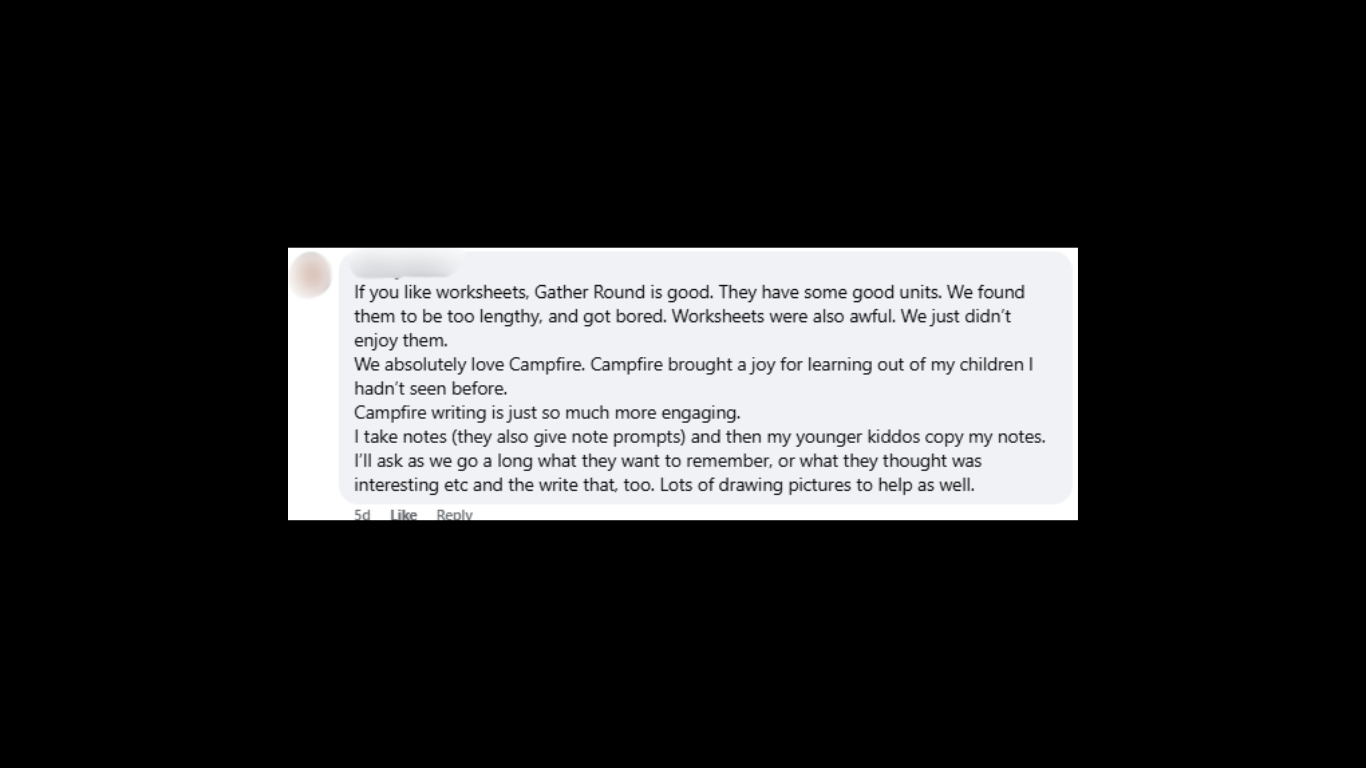
One mom said:
“If you like worksheets, Gather Round is good. They have some good units. We found them to be too lengthy, and got bored.”
Basically: If worksheets bring you peace, this might be your jam. If you break out in hives at fill-in-the-blank pages… tread carefully.
Good news though: you can skip worksheets.
They are not the boss of you.
The Supplement Question (The Big One)
By the end of my deep dive, one conclusion was unavoidable:
Yes. You will almost certainly need to supplement.
For some moms, that meant just math and language arts.
For others, it was nearly every subject.
One mom put it plainly:
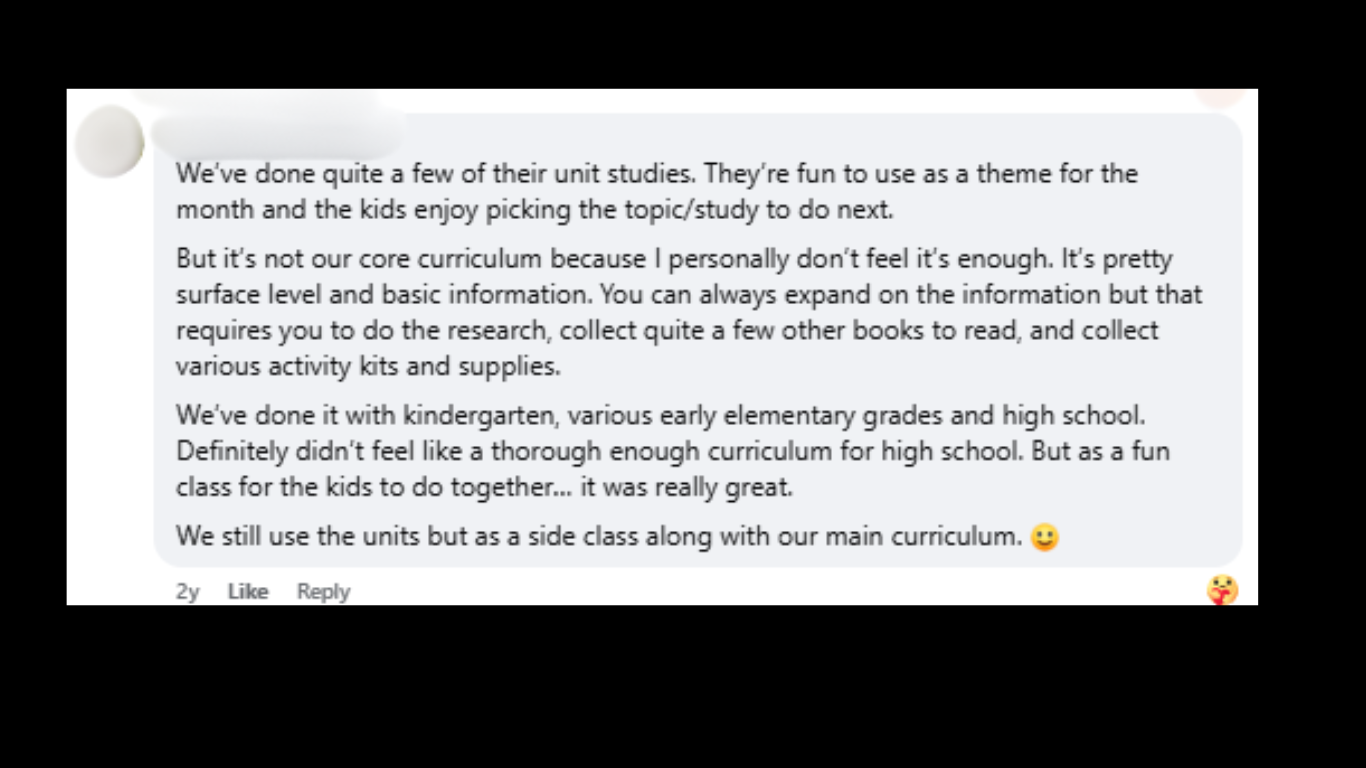
“You can always expand the information. But that requires you to do the research, collect quite a few other books, and gather activity kits and supplies.”
And here’s my honest reaction to that:
If I need to bring my own math and English… why am I buying this as a “full” curriculum?
That’s like ordering a meal and being told, “Oh, this is just the side dishes. You’ll need to bring the main course.”
The Lovers vs. The Skeptics
And yet—despite all this—Gather Round has devoted fans.
Comments like:
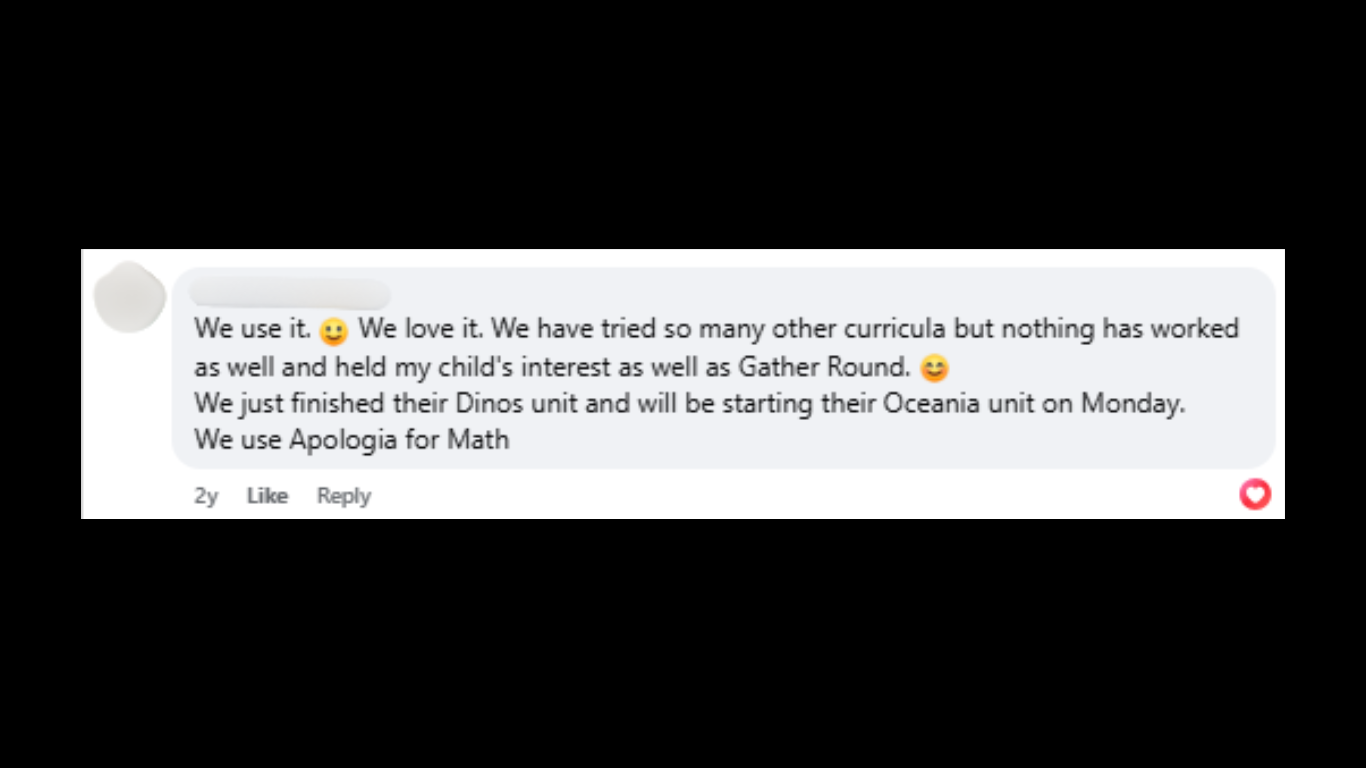
“We love it.”
“We use it and LOVE it.”
“It’s the only thing that’s held my child’s interest.”
“The kids love picking the next unit.”
But almost every glowing review had one thing in common:
They supplemented.
Gather Round works beautifully for families who:
Love unit studies
Thrive on interest-led learning
Are comfortable customizing
Don’t need everything spelled out step-by-step
If you hate unit studies?
You’ll hate Gather Round. Period.
A close friend of mine—Abby from Family Style Learning—loves it. It fits her family. She disciples her kids through it. It works because it matches who they are.
That’s the real takeaway.
A Gentle (But Important) Reality Check
Most homeschool regret doesn’t come from “bad” curriculum.
It comes from wrong fit.
New homeschoolers often spend hundreds—sometimes thousands—on programs that looked amazing… but didn’t match their learning style, season of life, or expectations.
The shelves look impressive.
The kids? Not so much.
And the bank account definitely isn’t impressed.
That’s exactly why I created Curriculum Confidence—to help parents stop guessing and start choosing with clarity instead of panic.
Because confident knowledge beats curriculum sales pages every single time.
So… Will Gather Round Fill the Gaps or Create HOLES?
Honestly?
Both.
That’s the beauty—and the headache—of unit studies.
Gather Round can absolutely spark curiosity, create sweet family learning moments, and add real richness to subjects like history and science.
But it rarely works as a true, standalone, no-supplement homeschool plan—especially long-term. For most families, it works best as a piece of the puzzle, not the whole picture.
That’s also why, in our home, I personally use BJU Press Homeschool as our all-in-one program. We love that it’s academically solid and that my kids can work independently—something that really matters to me day to day. That structure gives us consistency, while still leaving room to add in interest-based learning when it makes sense.
But BJU Press isn’t the only solid option out there.
Different families thrive with different approaches, and there are several popular Christian homeschool curriculums that do a great job depending on your season, kids, and teaching style.
I walk through those in the video below: Top 10 CHRISTIAN Homeschool Curriculum Picks, which is a great next step if you’re still weighing your options.
Because the right curriculum isn’t the most popular one—or the prettiest one—it’s the one you’ll actually stick with.
And that alone can save you hundreds… and a whole lot of stress.