Saxon Math vs Singapore Math: A Homeschool Comparison (2026 Guide)
If you’re trying to decide between Saxon Math vs Singapore Math, you’re not alone. This is one of the most common homeschool math curriculum comparisons parents make — especially if you want something rigorous, traditional, and strong enough to prepare your child for high school and beyond.
Both programs are respected, popular among homeschoolers, and will teach your child real math.
But they feel very different in daily life — and that’s what really matters.
Let’s walk through this properly.
(Heads up: This article contains affiliate links. If you purchase through them, it helps support our homeschool family at no extra cost to you. Thank you! 💛)
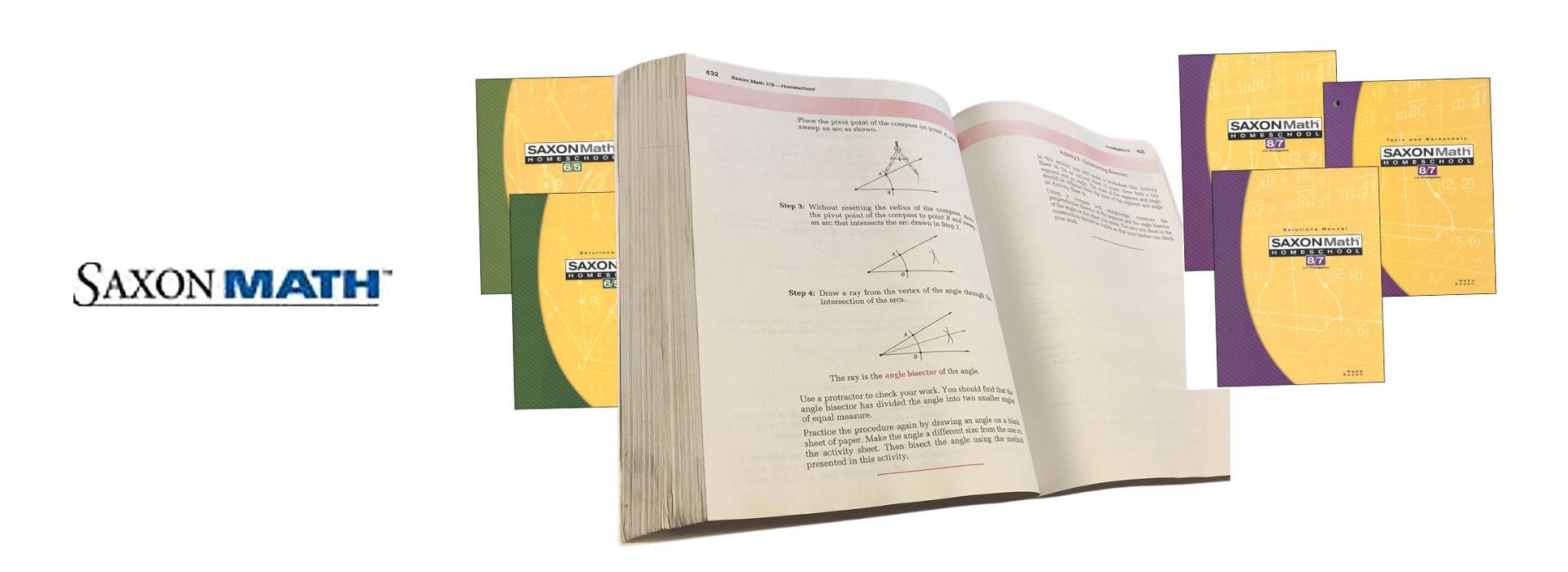
📚 What Is Saxon Math?
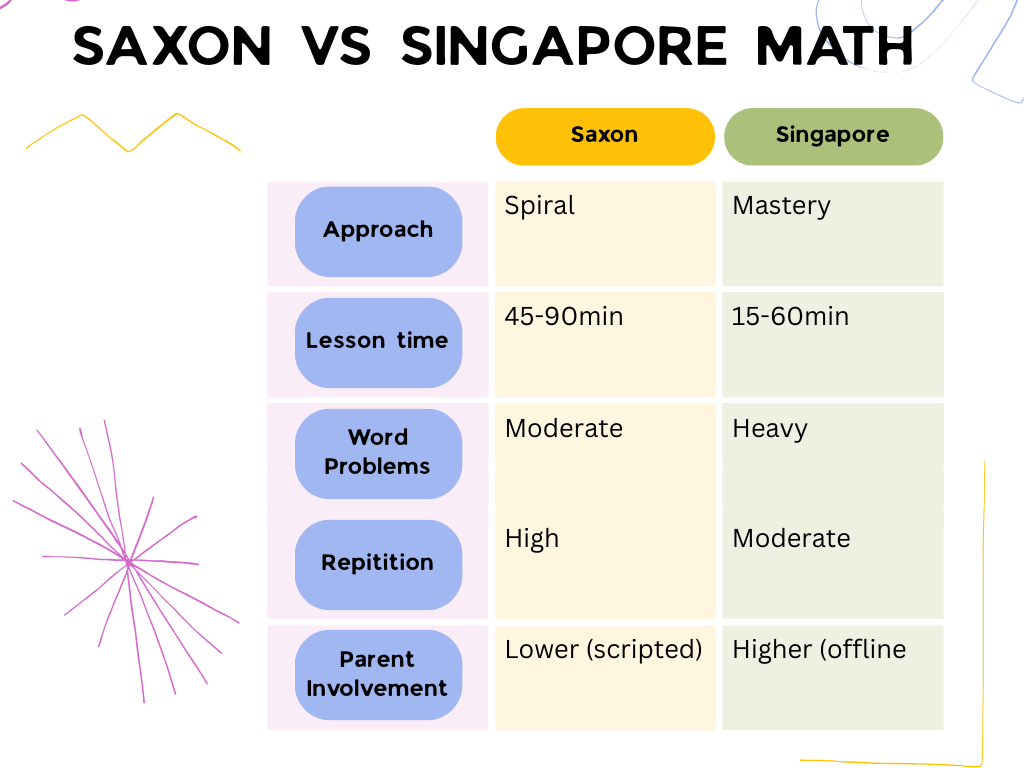
Saxon Math is a spiral-based homeschool math curriculum that introduces small concepts incrementally and then reviews them daily. The idea is simple: repetition builds mastery over time.
It’s structured, systematic and consistent.
You can view the Saxon homeschool book sets here if you want to see how they’re laid out:
Saxon is known for:
Daily mixed review
Heavy worksheet use
Strong math fact memorization
Clear scripting for parents
For some families, that structure is comforting. For others, it can feel repetitive.
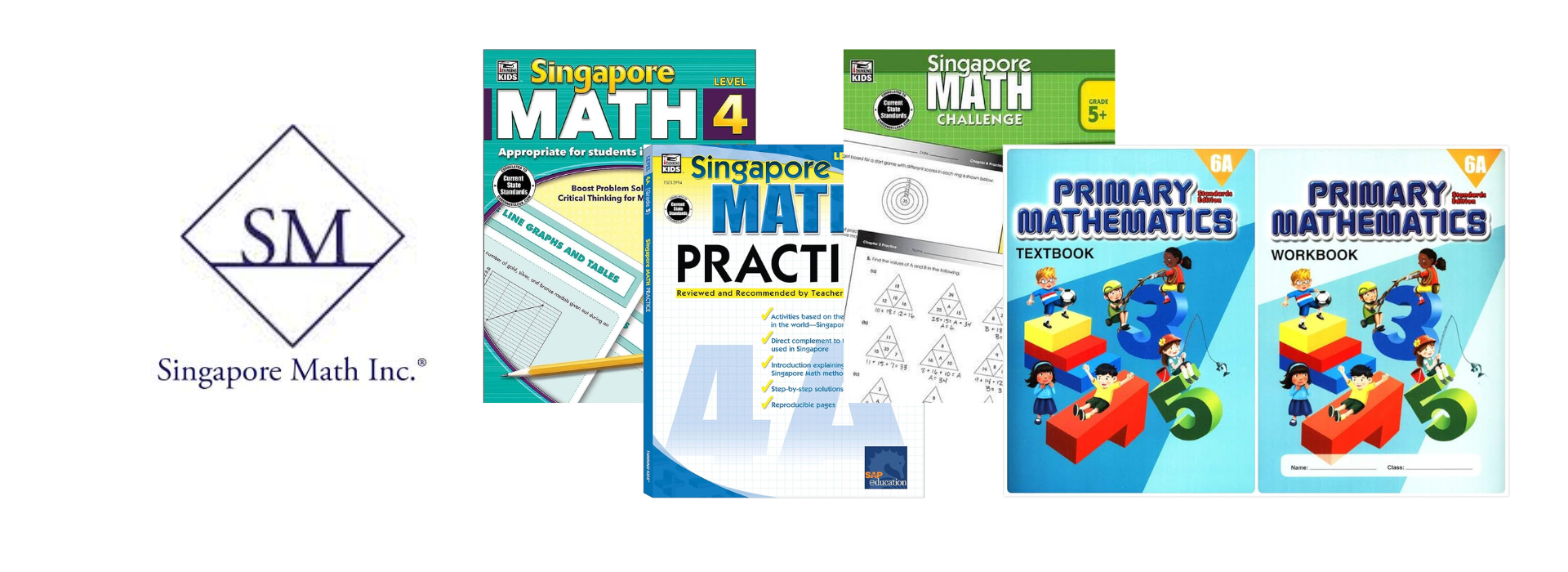
📘 What Is Singapore Math?
Singapore Math is typically described as a mastery-based math program that focuses on deep conceptual understanding. It uses the well-known concrete–pictorial–abstract method, meaning children first use manipulatives, then visual models (like bar diagrams), and finally abstract numbers.
If you want to explore the Singapore Math book sets, you can see them here.
And if you prefer an online version with built-in grading and interactive elements, here’s the subscription option.
Singapore is known for:
Strong word problems
Visual modeling
Deep thinking
Higher-level math expectations
When people ask for the best math curriculum for gifted homeschoolers, Singapore often comes up first.
📘 What Is Singapore Math?
Singapore Math is typically described as a mastery-based math program that focuses on deep conceptual understanding.
It uses the well-known concrete–pictorial–abstract method, meaning children first use manipulatives, then visual models (like bar diagrams), and finally abstract numbers.
If you want to explore the Singapore Math book sets, you can see them here.
And if you prefer an online version with built-in grading and interactive elements, here’s the subscription option.
Singapore is known for:
Strong word problems
Visual modeling
Deep thinking
Higher-level math expectations
When people ask for the best math curriculum for gifted homeschoolers, Singapore often comes up first. And it’s what I think of when I think ‘gifted math curriculum’.
🔍 Is Saxon Math or Singapore Math Hard?
Yes. Both are rigorous homeschool math programs.
But they’re hard in different ways.
Singapore Math tends to be harder conceptually. It pushes mental math, multi-step word problems, and deeper understanding. It’s not light and fluffy. It expects your child to think.
Saxon Math, however, can feel harder in terms of stamina. Because it’s spiral-based, your child is constantly reviewing past material alongside new content. That often means longer lessons and more worksheets.
So when parents search “Is Saxon Math hard?” or “Is Singapore Math too advanced?” — the answer is:
They are both strong programs, above-average in rigor.
Neither is a gentle option.
⏱️ How Long Do Lessons Take?
This is one of the most searched homeschool math questions.
For Singapore Math:
15–45 minutes in lower elementary
45–60+ minutes in upper elementary
For Saxon Math:
45 minutes to 1.5 hours per day
Especially in upper levels due to cumulative review
If your homeschool schedule is already tight, that difference matters and Singapore Math might be the better choice here.
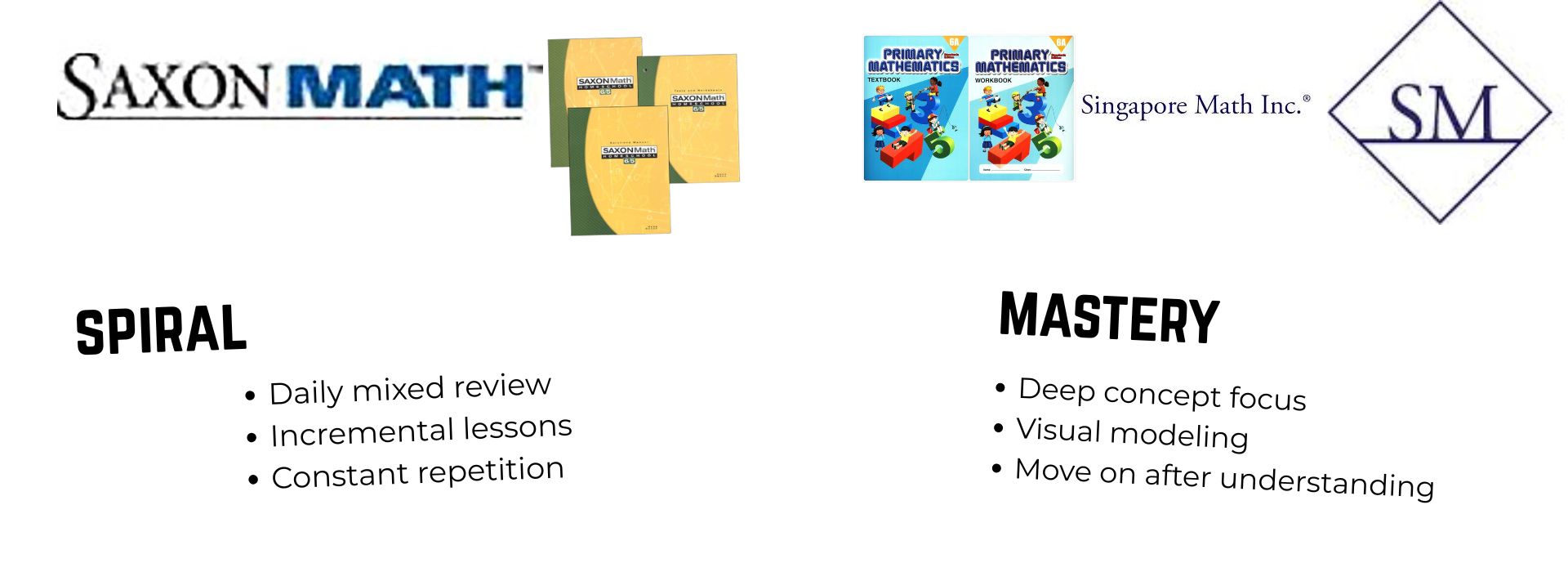
🔄 Spiral vs Mastery: What’s the Real Difference?
In simple terms:
Saxon Math = Spiral approach
Singapore Math = Mastery-focused approach but with some cheeky spiral review also.
What Is a Spiral Math Program?
A spiral math program introduces concepts gradually and then revisits them regularly throughout the year.
Instead of mastering one topic fully before moving on, students practice a small piece of new material each day while continually reviewing older concepts.
This built-in repetition helps strengthen retention over time.
In a program like Saxon Math, lessons often include mixed review problems so students don’t forget skills they learned weeks or months earlier.
What Is a Mastery Math Approach?
A mastery math approach focuses on going deeper into one concept before introducing something new.
Students spend more time developing strong understanding and problem-solving ability in a single topic before moving forward.
In a program like Singapore Math, this often includes visual models, word problems, and hands-on exploration to ensure the child truly understands the “why” behind the math — not just the procedure.
That said, Singapore does revisit concepts too — just not with the same daily mixed review structure Saxon uses.
💸 Saxon Math vs Singapore Math Pricing: What It Really Costs
Okay, let’s talk money — because really, this is where most homeschool moms start sweating a little. 😅
The tricky part is that Saxon Math and Singapore Math both have multiple ways to buy, which means the price can swing wildly depending on whether you want books-only, manipulatives, or video/online options.
Singapore Math pricing (offline books)
If you go the classic route and just buy the Singapore Math textbooks + workbooks + manipulatives, Singapore usually wins on upfront cost.
In many cases, you can put together a full year for around $120-ish (depending on level and what extras you add).
That said, Singapore also offers extra practice books which will add an extra (this is an example of one of their extra practice books).
So yes, it can be budget-friendly — but it can also quietly grow if you keep adding supplements.
Singapore Math pricing (online subscription)
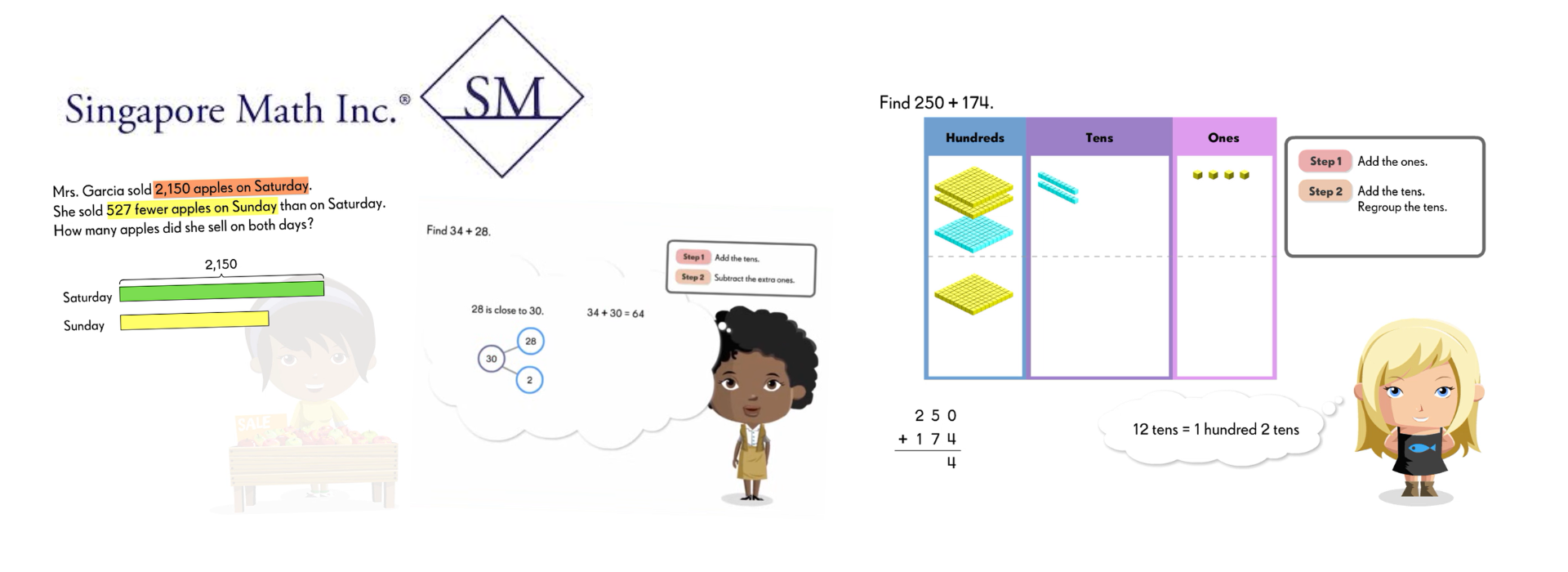
If you want the online Singapore Math option with built-in lessons, games, and automatic grading (see the picture below to get a feel for what it looks like), you’re looking at plans that are roughly:
Silver: about $96/year for one grade (K–6)
Gold: about $98/year for all grades (K–6)
Platinum: about $141/year (and sometimes a promo rate around $99/year) forall grades (K–6). It includes record keeping, testing and quizzes as well as fun games!
You can check the current subscription options here.
This is one of those options that can feel “expensive” at first glance… but if you’ve got multiple kids, the all-grades plan can actually be a really good deal.
Saxon Math pricing (offline books)
Saxon tends to cost more upfront if you’re buying the full homeschool kit, especially if you add manipulatives and everything needed to run it as a complete program. A lot of families end up paying around $250-ish for a complete setup (again depending on grade level and bundle options).
That includes manipulatives, but not extra work practice books (which you probably won’t need with Saxon as it has so much inbuilt practice!)
Now, the other “cost” with Saxon isn’t always dollars… it’s time.
Because Saxon can be worksheet-heavy, some families find themselves thinking, “Okay… we paid for all this… but do we really have to do ALL of it?” 😅
(Answer: no. You can skip. You’re allowed. You’re still a good homeschool mum.)
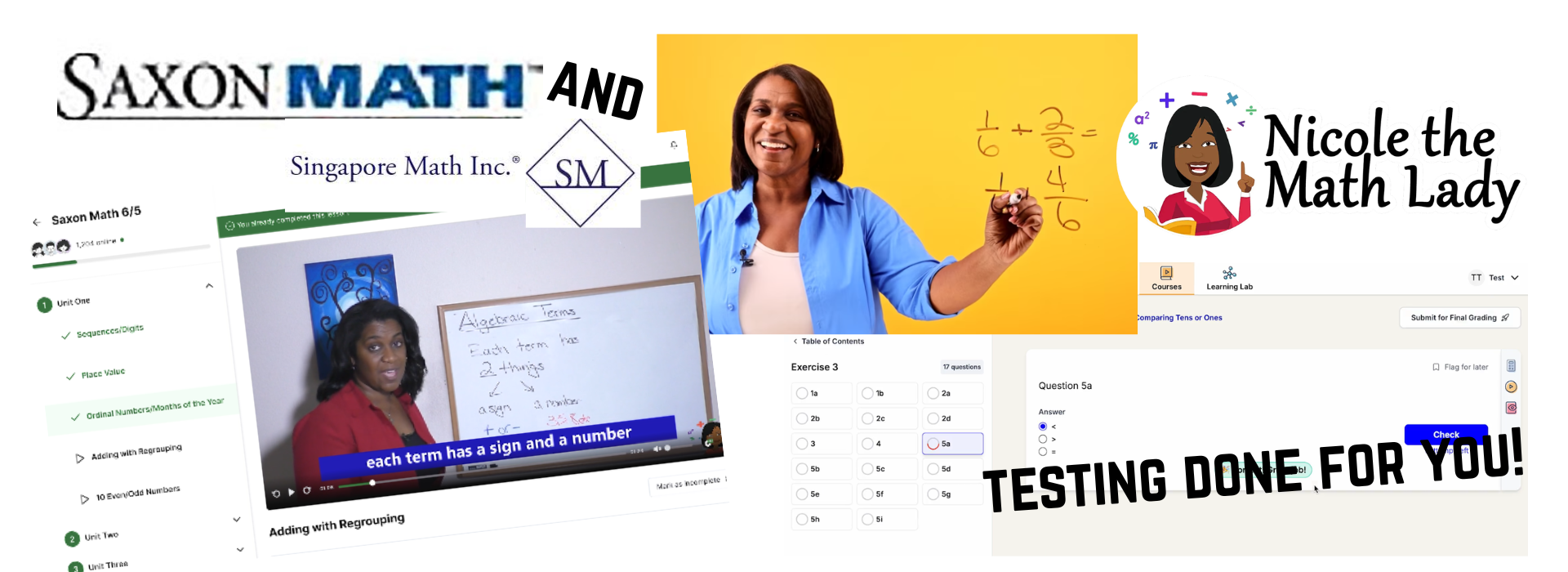
Saxon + Video Lessons (Nicole the Math Lady)
This is where Saxon can become much more doable for kids who struggle with the textbook explanations or get overwhelmed by the written format.
If you pair Saxon with Nicole the Math Lady (see picture below), you’re looking at:
$79 for the first Math Pass (all ages/levels)
$59 for the second Math Pass student
$29for the third Math Pass
$29 for each additional Math Pass
This is often the tipping point for families: if your child needs more teaching support, paying for video lessons can save you time, stress, and burnout (and honestly… sometimes tears).
Also, Nicole the Math lady teaches Singapore Math too…as well as other popular homeschool math curriculums!
So… Which One Is Cheaper?
If we’re talking books-only, Singapore Math usually comes out cheaper.
If we’re talking complete program + manipulatives + video support, the costs can get much closer — and it really depends on:
how many kids you’re teaching
whether you need video instruction
whether you buy lots of “extras”
whether shipping/duties hit you hard (especially for international families)
So the better question isn’t “which one is cheapest?”
It’s: which one will actually get used consistently in your house? Because the most expensive curriculum is the one you buy and then abandon in March. 🙃
🧠 Which Is Better for Struggling Learners?
If you’re searching for the best homeschool math curriculum for struggling learners, here’s the honest answer:both Saxon and Singapore can feel intense.
However, adding video instruction can make either program far more accessible. When a child both sees and hears the explanation, understanding improves dramatically.
If you want a gentler math curriculum option, MasterBooks Math is often recommended for families who want something less intense and more story-driven.
Personally, my son Luke has dyslexia, so we use BJU Press Math because the video instruction is highly visual and easy to follow.
For struggling learners, especially those who benefit from strong guided teaching, I think it’s a great option. Check it out here.
🎯 Dyslexia & ADHD Considerations
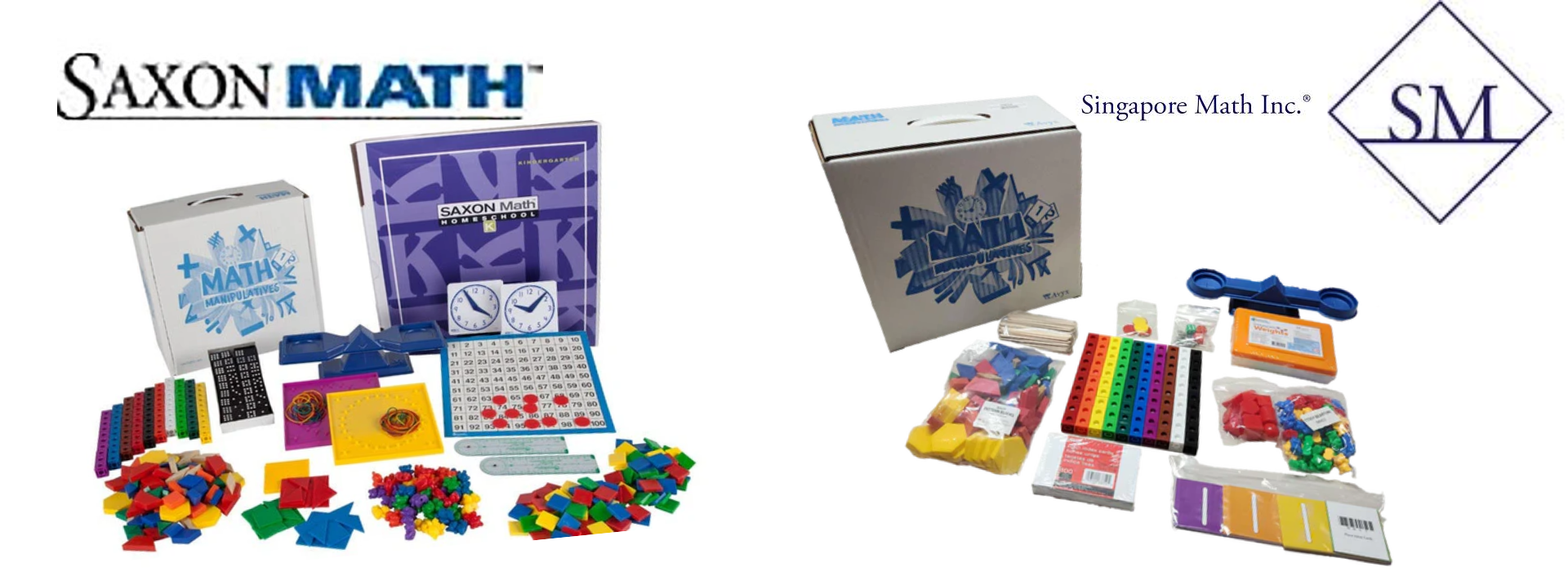
For dyslexia, Singapore can be a strong choice because it uses visual bar modeling and manipulatives extensively. You can view Singapore manipulatives here.
For ADHD learners, structure matters. Saxon provides consistent daily format, but it can feel repetitive. Don’t be afraid to adjust workload and cross out unnecessary review if your child clearly understands the material.
Saxon manipulatives can also help active learners engage physically. Have a look at Saxon manipulatives here.
I think they look similar and also like lots of fun!
📊 Are Saxon Math and Singapore Math Common Core Aligned?
If you’re wondering, “Is Saxon Math Common Core?” or “Is Singapore Math Common Core aligned?” — here’s some clarity:
Specific Singapore Math Common Core editions do exist.
Traditional Saxon homeschool editions are not strictly Common Core aligned, though some classroom versions are.
So, if that’s important to you, you can work with either.
🎓 High School & College Preparation
Both programs provide more than enough academic rigor for high school mathematics and college preparation.
If you’re concerned about whether either curriculum prepares students for Algebra, Geometry, or advanced math — the answer is yes.
These are academically strong homeschool math curriculum choices.
🎨 Textbook Design: Bright & Fun vs Traditional
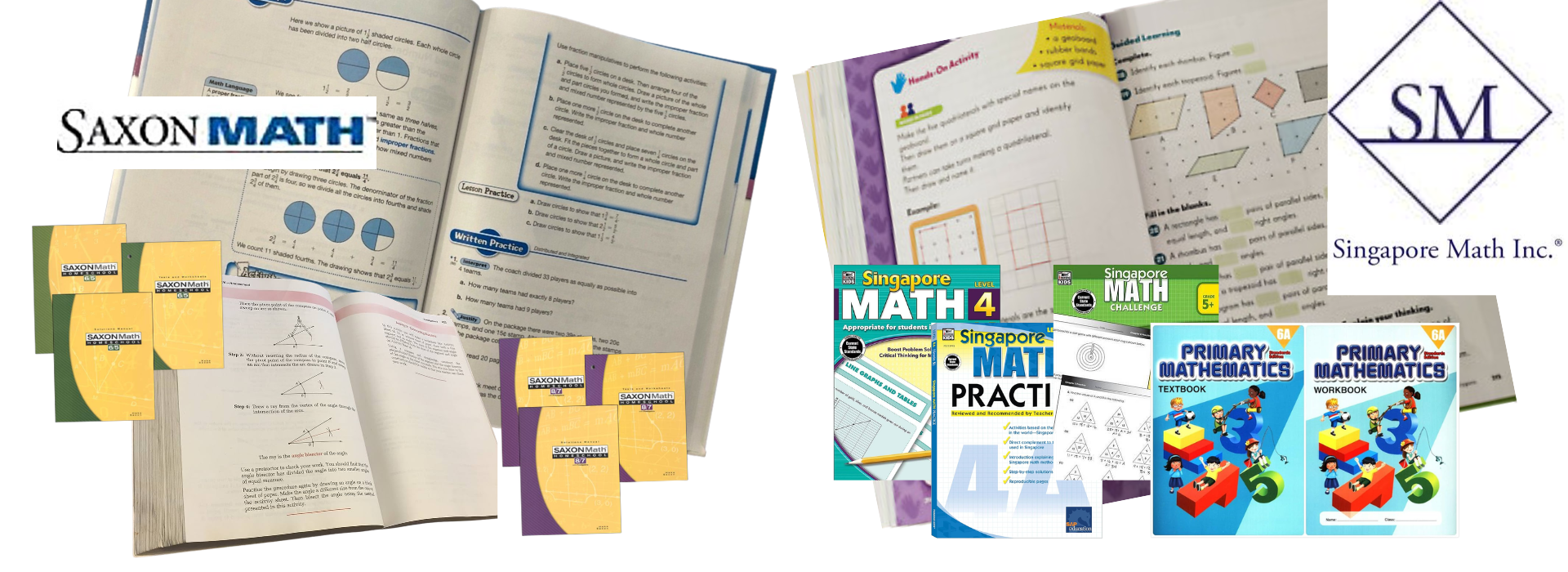
One small but noticeable difference between Saxon Math vs Singapore Math is how the textbooks actually look.
Singapore Math books tend to be brighter, more colorful, and visually engaging, especially in the primary years. The pages often feel more modern and inviting, which can make a surprising difference for kids who are visually motivated.
Saxon Math, by contrast, has a more traditional, straightforward layout. It’s clear and structured — but definitely not flashy.
If presentation matters to your child (and for some kids it absolutely does), take a moment to compare them.
Look at the image below 👇
🚫 Who Should NOT Choose Saxon Math?
Saxon may not be the best fit if you:
Want shorter lessons
Dislike repetition
Prefer story-based learning
Want a Christian worldview integrated
It is a secular, worksheet-heavy program.
🚫 Who Should NOT Choose Singapore Math?
Singapore may not be ideal if:
Your child strongly dislikes word problems
You want fully scripted teacher guidance offline
Your child becomes easily frustrated with a challenge
Want a Christian worldview integrated
It is also secular and academically demanding.
Choosing between Saxon Math vs Singapore Math
When I think of a rigorous math curriculum for gifted homeschoolers, I instinctively think of Singapore Math. It pushes deep thinking, strong problem solving, and serious conceptual understanding.
If that sounds like your child, you can look through the full Singapore Math book packages here and see how they’re structured by grade level.
And if you’re curious what the interactive version actually looks like — especially with the games, visual models, and guided instruction — you can explore the online Singapore option here.
On the other hand, when I think of a structured, independent spiral math program that builds confidence through repetition and daily review, I think of Saxon Math.
If your child does better with steady, predictable lessons and strong built-in review, you can browse the Saxon Math homeschool packages here and compare the different levels.
The Saxon Math Love–Hate Phenomenon
Now here’s the funny thing about Saxon Math… it might be one of the most polarizing homeschool math curriculum options out there.
It actually landed on my extended “most loved curriculum”list because so many families absolutely refuse to use anythign else. They love the structure, the repetition, the predictability. For them, it just works — and they stick with it for years.
But at the exact same time… it also showed up on my “most hated” list. 😅
Why? Because for some families it feels too repetitive, too worksheet-heavy, too long. What one child experiences as comforting structure, another experiences as “Why are we doing this AGAIN?”
And that right there tells you something important.
Saxon isn’t bad. It’s just very personality-dependent.
If you want to see how it ranked on both lists — and hear what real homeschool moms said about it — you can watch the full breakdown in this video below: