Best Homeschool Curriculum for Dyslexia + Dysgraphia (2026-2027 Reviews)
Finding the best homeschool curriculum for dyslexia can feel overwhelming. Every curriculum promises results. Every website claims its program works. And when your child is struggling to read, write, spell, or keep up with lessons, it's hard to know where to start. Over the years, I've walked this journey with my own son Luke, spent countless hours researching dyslexia and dysgraphia, and read hundreds of comments from homeschool parents sharing what actually worked for their children.
The recommendations in this article aren't based on marketing claims. They're based on real experiences from homeschooling families, combined with what I've personally seen work in our own home.
After helping hundreds of homeschool families choose curriculum — and teaching my own dyslexic son at home — these are the programs I'd recommend first.
When my son Luke was younger, reading was one of the hardest parts of our homeschool journey.
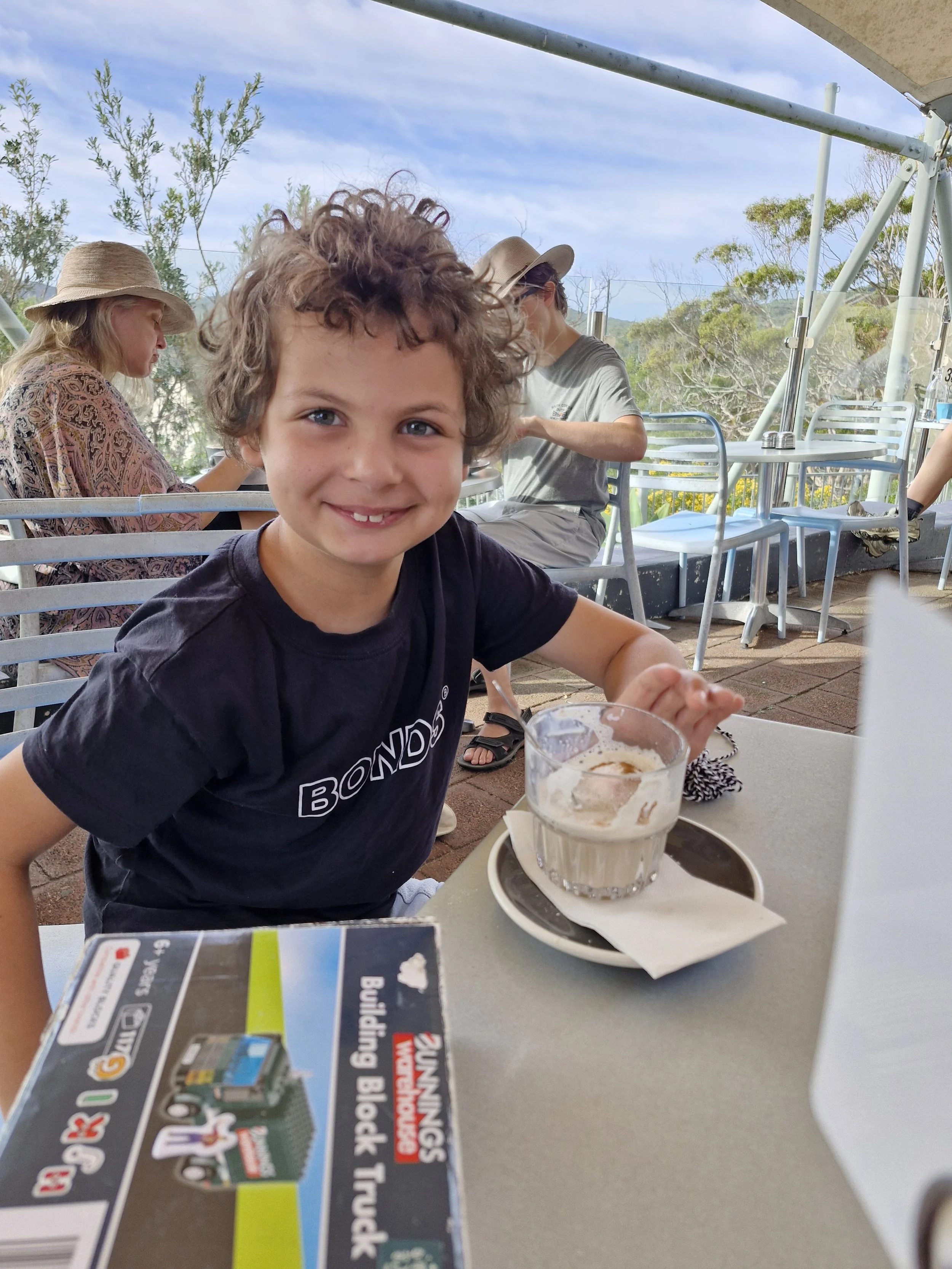
Before we completed the Davis Dyslexia Correction procedure, he struggled through simple Dr. Seuss books. Reading was slow, frustrating, and exhausting for both of us.
Then something remarkable happened.
Within a short period of time, Luke went from struggling through beginner readers to voluntarily reading entire Bible passages. It was one of the most dramatic educational improvements I've ever seen.
But reading wasn't the end of the story.
Spelling remained difficult. Writing remained difficult. Getting thoughts onto paper remained difficult.
Through conversations with hundreds of homeschool parents, I've learned that Luke's experience isn't unusual. Many dyslexic children learn to read well before they become confident spellers or writers. Many also struggle with related challenges such as dysgraphia (difficulty with writing) and sometimes ADHD.
The good news?
The right homeschool curriculum can make an enormous difference.
If I were starting again with a dyslexic child today, these are the programs I'd look at first.
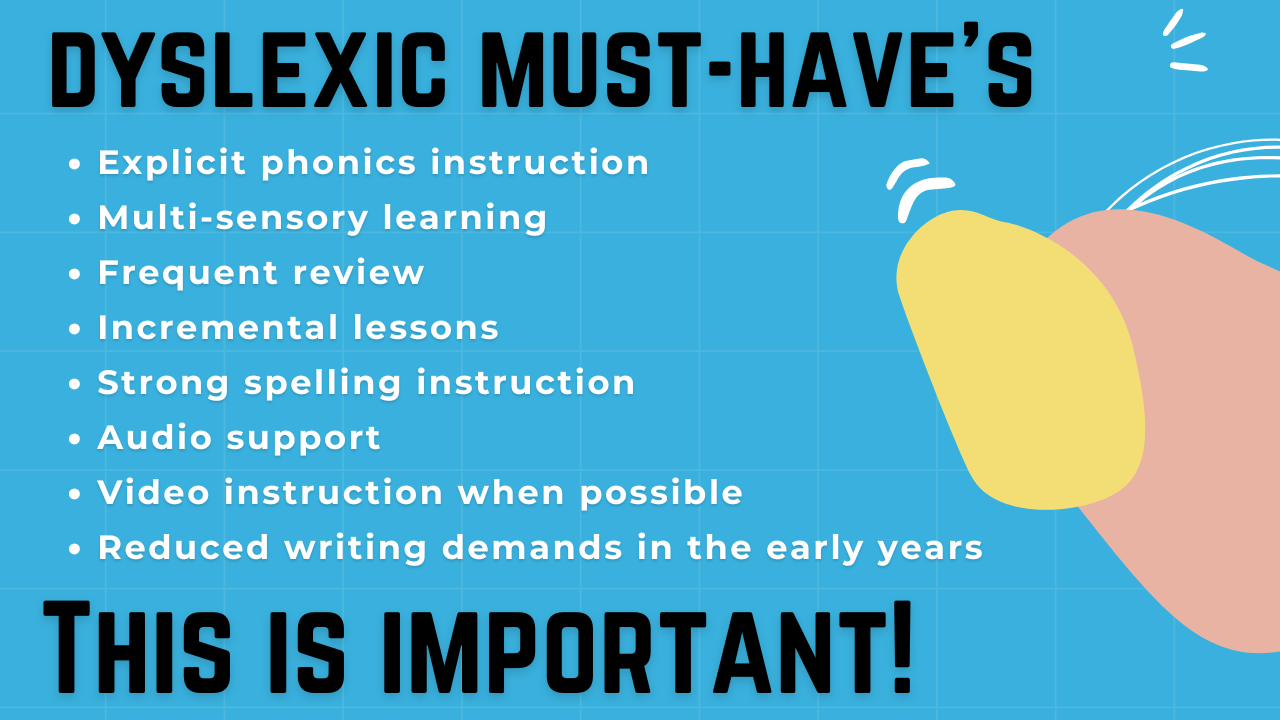
Does your curriculum check most of these boxes? If not, it may be making life harder for your dyslexic child than it needs to be.
This post contains affiliate links. At no extra cost to you, using them helps support my work. Thanks in advance 💕
What Makes a Good Dyslexia Curriculum?
Before looking at specific programs, it helps to understand what many dyslexic learners need.
The best homeschool curriculum for dyslexia often includes:
Explicit phonics instruction
Multi-sensory learning
Frequent review
Incremental lessons
Strong spelling instruction
Audio support
Video instruction when possible
Reduced writing demands in the early years
Many of the programs below use the Orton-Gillingham approach or incorporate similar principles.

1. All About Reading (Best Overall Reading Curriculum for Dyslexia)
Quick Facts
Worldview: Secular
Teaching Method: Orton-Gillingham based, mastery learning, multi-sensory phonics
Cost: 119-209 per level
Parent Intensive: Moderate (20 min teaching a day)
Child Independence: Low
Manipulatives: Yes
What It Feels Like To Use
I can’t tell you how many times I’ve seen AAR recommended for dyslexia, struggling and anxious readers!
This curriculum is well loved, bright and has colorful reading books and materials (see the pictures of all these curriculums above the titles).
This is very much a "mom and child sitting together" curriculum. You'll use letter tiles, flashcards, readers, activity books, and scripted lessons. Expect to sit beside your child throughout the lesson.
For some families that's wonderful. For others, it can be exhausting. One homeschool mom described AAR as "the only thing that worked" for her struggling reader, even though progress was slow and required lots of repetition.
Why Dyslexic Families Love It
The biggest strength of All About Reading is that nothing is assumed. Children only read words they've actually been taught. That's surprisingly rare.
Many phonics programs introduce readers filled with words children haven't learned yet, which can undermine confidence. AAR carefully avoids this problem.
Best For:
Dyslexic students
Struggling readers
Parents willing to teach directly
Families wanting the strongest possible phonics foundation
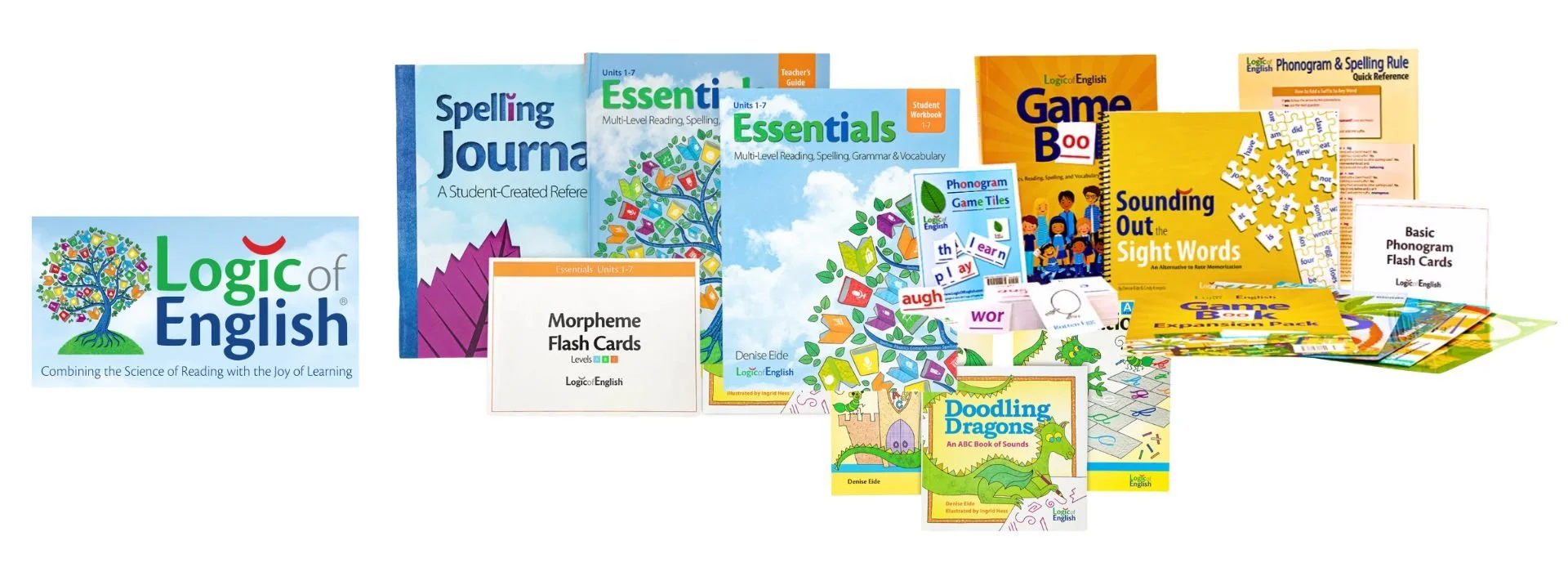
2. Logic of English Foundations
Quick Facts
Worldview: Christian-friendly but not explicitly Christian
Teaching Method: Orton-Gillingham based
Cost: $226 per level
Parent Intensive: High
Child Independence: Low-Medium
Manipulatives: Yes
What It Feels Like To Use
Logic of English feels a little more energetic and fast-paced than All About Reading. There are games, movement activities, phonograms, spelling rules, and hands-on learning woven throughout the lessons.
Many parents who feel burned out by AAR eventually try Logic of English and discover it suits their teaching style better. It may seem pricey, but it includes phonics, reading, handwriting, and spelling.
Why Dyslexic Families Love It
Logic of English teaches both reading and spelling together from the beginning.
That can be particularly helpful because dyslexia rarely affects reading alone.
Spelling often remains difficult long after reading improves.
Also, a lot of parents have loved going through and learning all the rules of the English language and have felt relief as they finally know how English is put together (and that it actually makes sense!)
Best For
Dyslexia
ADHD and dyslexia
Hands-on learners
Families who enjoy interactive lessons

3. All About Spelling
Quick Facts
Worldview: Christian-friendly but not explicitly Christian
Teaching Method: Orton-Gillingham based spelling
Cost: $160
Parent Intensive: Medium-High
Child Independence: Low
Manipulatives: Yes
What It Feels Like To Use
If you're already using All About Reading, adding All About Spelling is a natural next step.
The biggest advantage is that the programs share many of the same manipulatives.
That makes the overall investment more affordable than buying two completely separate systems.
Why Dyslexic Students Need Strong Spelling
Many dyslexic children eventually learn to read reasonably well.
Spelling is often the skill that lags behind.
I've personally found that reading improvements don't automatically solve spelling struggles.
A dedicated spelling curriculum is often necessary.
Best For
Families already using All About Reading.

BJU Press Spelling is completely hands-off and great for overwhelmed mothers who don't have 20 min a day to teach spelling with thier kids. I use this and it lets me do the dishes or fold the cloths while my son learns!
4. BJU Press Spelling with Video Lessons
Quick Facts
Worldview: Strongly Christian
Teaching Method: Traditional spelling with video instruction
Cost: $119
Parent Intensive:Low!
Child Independence:High
Manipulatives: No
What It Feels Like To Use
This is one of the most hands-off options on this list. The video teacher does almost everything.
The child watches the lesson, completes the workbook activities, and the parent mainly checks work. For busy homeschool moms, that's a huge advantage.
Why I Like It
While it isn't an Orton-Gillingham program, I've found BJU Press spelling surprisingly effective for Luke because the teaching burden doesn't fall entirely on me.
When you're homeschooling multiple children, that matters. A lot.
Best For
Busy homeschool moms
Independent learners
Families already using BJU Press
5. Audiobook-Based Learning
Sometimes the best curriculum adaptation isn't a curriculum at all.
It's audio.
To get in my son’s literature studies, I use this incredible booklist (I made it myself from classical and living books) and then find the titles on YouTube…most of them are available as free and past copyright protection. It’s such an affordable way to do English for dyslexic kids!
And many parents of dyslexic children (like me!) report tremendous success using audiobooks for content subjects like:
History
Science
Literature
Programs frequently recommended by homeschool families include:
Notgrass History Or Mystery of history Audio
Worldview: Christian
Audio Available: Yes
MasterBooks World's Story
Worldview: Christian
Audio Available: Yes
Several parents specifically mentioned that the audiobook versions helped reduce the reading burden while still allowing children to learn challenging material.
Generations
Worldview: Christian
Audio Available: Yes
Generations does history and science on audiobook. This means your child can sit at the desk with the textbook in front of them with the audio and do thier lessons. And they’re so affordable too!
6. Video-Led Curriculum
For some dyslexic children, having information delivered through a teacher rather than a textbook makes a significant difference.
Programs worth considering include:
BJU Press Online - more traditional. Video lessons help kids see as well as hear. This multi-faceted way of learning helps embed the content in the child’s mind.
Abeka Academy - this is like BJU but significantly more rigiorous! Longer video lessons and more workbook pages to do.
Journey Homeschool Academy - This is great. I just skip the workbook and let my son do the video lessons and tests. He does the online review with review cards, and because dyslexic kids (at least min is and I’ve heard other dyslexics are like that too) listen beautifully, this is enough. He’s LOVED Journey Homeschool.
Science Shepherd - This is similar to Journey Homeschool excepts slighly less polished, but much more affordable. My son has also really enjoyed this.
There are many more video-led, dyslexia-friendly curricula out there, though.
What These Feel Like To Use
Instead of Mom teaching every lesson, the child learns hears an experienced instructor. Many dyslexic students find this less draining than reading large amounts of text independently.
But you’ll usually need the textbooks to go along with the reading, otherwise it feels disjointed.
What About Dysgraphia?
Many parents discover that reading improves long before writing.
That was certainly our experience.
Dysgraphia is a learning difference that affects handwriting, spelling, written expression, or all three.
Some signs include:
Difficulty getting thoughts onto paper
Extremely slow writing
Poor handwriting
Severe spelling struggles
Fatigue after writing only a few sentences
When I recently asked homeschool parents what helped their dyslexic children with writing, several themes emerged:
Speech-to-Text
Google Docs voice typing was recommended repeatedly.
Narration
Many families found it helpful to let children speak ideas before expecting them to write them.
Keyboarding
Typing often removes some of the physical barriers associated with handwriting.
Keep Handwriting
Interestingly, several experienced parents encouraged continuing handwriting practice even when it was difficult, while reducing expectations and focusing on gradual progress.
Best Homeschool Curriculum for ADHD and Dyslexia
If your child has both ADHD and dyslexia, I'd lean toward:
Logic of English
All About Reading
BJU Press Video Lessons
Audiobook-supported curriculum
The key is reducing cognitive overload while keeping lessons interactive and engaging.
Many ADHD learners struggle with long textbook assignments but thrive with movement, manipulatives, audio, and video instruction.
Final Verdict
Best Overall Reading Curriculum for Dyslexia
If your primary goal is teaching a dyslexic child to read confidently, this would still be my first recommendation.
Best Alternative
Excellent for families who want a more energetic, integrated approach to reading and spelling.
Best Spelling Curriculum
Especially when paired with All About Reading.
Best Hands-Off Option
BJU Press Spelling with Video Lessons
The teacher does the heavy lifting, which can be a lifesaver when you're homeschooling multiple children.
Best Adaptation for Dysgraphia
Combine strong phonics instruction with narration, typing, audiobooks, and speech-to-text tools while continuing to gently develop handwriting skills.
Because for many dyslexic children, the goal isn't perfection.
It's helping them become confident readers, communicators, and lifelong learners.