15 Best Preschool Homeschool Curriculum Programs for Pre-K
Choosing a preschool homeschool curriculum should be fairly simple. Your child is four. They need stories, play, conversation, movement and perhaps occasional access to glue that does not end up in their hair.
Yet a quick search produces:
🔎 hundreds of programs,
🔎 complete preschool packages,
🔎 phonics systems,
🔎 activity books,
🔎 nature studies and
🔎 schedules that appear to require more planning than a small wedding.
The good news is that you do not need to homeschool preschool.
However, some young children genuinely want to “do school,” particularly when they have older siblings working nearby.
In that case, a gentle preschool curriculum can give them something purposeful to do without turning childhood into a race toward algebra.
I’m Rebecca Devitt.
I have homeschooled two preschoolers, my oldest homeschooler is now nine, and I expect to homeschool another preschooler in a year or two.
I have used a formal Pre-K program, experimented with simple workbooks and learned that the best preschool plan is usually the one that keeps learning enjoyable and takes far less time than you initially imagined.
Below are some of the best preschool homeschool curriculum options for families wanting phonics, early mathematics, Bible, literature, hands-on learning or simply a workbook that makes a younger sibling feel wonderfully important.
⭐ Quick Picks: Best Preschool Homeschool Curriculum
If you're short on time, here are my top recommendations:
⭐ Best Complete Christian Curriculum: BJU Press Footsteps for Fours
⭐ Best Budget Workbook: Rod & Staff Preschool ABC Series
⭐ Best Free Christian Curriculum: ABCJesusLovesMe
⭐ Best Open-and-Go Curriculum: Master Books Stepping Stones
⭐ Best Literature-Based Curriculum: Before Five in a Row
⭐ Best Play-Based Curriculum: Playing Preschool
⭐ Best Hands-On Pick: My Father's World Preschool
⭐ Best Preschool Phonics Program: All About Reading Pre-Reading
Do You Need a Preschool Homeschool Curriculum?
No.
Children can learn an enormous amount during the preschool years by:
Listening to stories
Playing outside
Talking with adults
Helping around the house
Drawing, cutting and building
Singing songs and rhymes
Counting ordinary objects
Playing imaginative games
A preschooler who spends the morning making mud soup, listening to picture books and asking 146 questions about caterpillars is not falling behind.
But “preschool is unnecessary” does not mean “preschool curriculum is forbidden.”
Some children love sitting beside their older siblings with their own schoolbook.
Others ask to learn to read or become fascinated with writing letters and numbers.
A short, developmentally appropriate program can be a lovely way to follow that interest.
The key is to keep preschool flexible.
When enthusiasm disappears, close the book.
Nobody’s university application will ask whether they completed page 47 of their age-four tracing workbook.
What Should a Preschool Homeschool Curriculum Include?
A useful preschool program may introduce:
Letter recognition and phonemic awareness
Letter sounds and beginning phonics
Counting and basic number sense
Shapes, colours and patterns
Pencil control and fine-motor skills
Stories, poetry and nursery rhymes
Bible stories or Christian character lessons
Art, music and nature activities
You do not need all of these every day.
For most three- and four-year-olds, ten to twenty minutes of structured learning is plenty.
Some children may happily continue longer, but there is no prize for persuading a preschooler to complete a 90-minute academic block before morning tea.

1. BJU Press Footsteps for Fours
⭐ Best complete traditional Christian preschool curriculum
BJU Press Footsteps for Fours is the preschool program I used with my daughter, and we really enjoyed it.
I chose it because we really like BJU Press…and she watched her older brother homeschool and was desperate to join him.
She wanted her own books, her own lessons, and preferably her own highly official pencil case.
Footsteps for Fours offered a gentle introduction to school through colorful lessons covering early literacy, mathematics, Bible, science, and other readiness skills.
It felt like “real school” to her without being an intense academic program.
BJU Press also offers video lessons, which can be useful for parents seeking additional teaching support.
However, preschoolers will still need a parent nearby to help with materials, activities and the mysterious process of finding the pencil they were holding seven seconds earlier.
I would especially consider BJU Press for a four-year-old who:
Wants a complete preschool experience
Enjoys colourful workbooks
Likes watching a teacher
Is eager to begin phonics and early mathematics
Wants to imitate an older homeschooled sibling
You do not need to complete every activity.
Use it as a pleasant introduction to kindergarten rather than a binding legal contract.

2. My Father's World Preschool
Best hands-on Christian preschool curriculum
If your child learns best by doing rather than sitting still, My Father's World Preschool is an excellent choice.
Its Voyage of Discovery program combines Bible stories, hands-on science, crafts, movement, read-alouds, and gentle readiness skills to introduce letters, numbers, shapes and colours.
Along the way, children also learn about everyday community helpers like firefighters, churches and post offices.
My Father's World may be a great fit for families who want:
A strong biblical foundation
Plenty of hands-on activities
Read-alouds and discovery learning
Gentle preparation for kindergarten
Around an hour of homeschooling each day
Because the program includes crafts, activities and parent-led lessons, it requires more involvement than simply handing your child a workbook.
However, if you're looking for a rich, interactive preschool experience, it's one of the best Christian options available.
3. Abeka K4
⭐ Best for traditional phonics and school-style workbooks
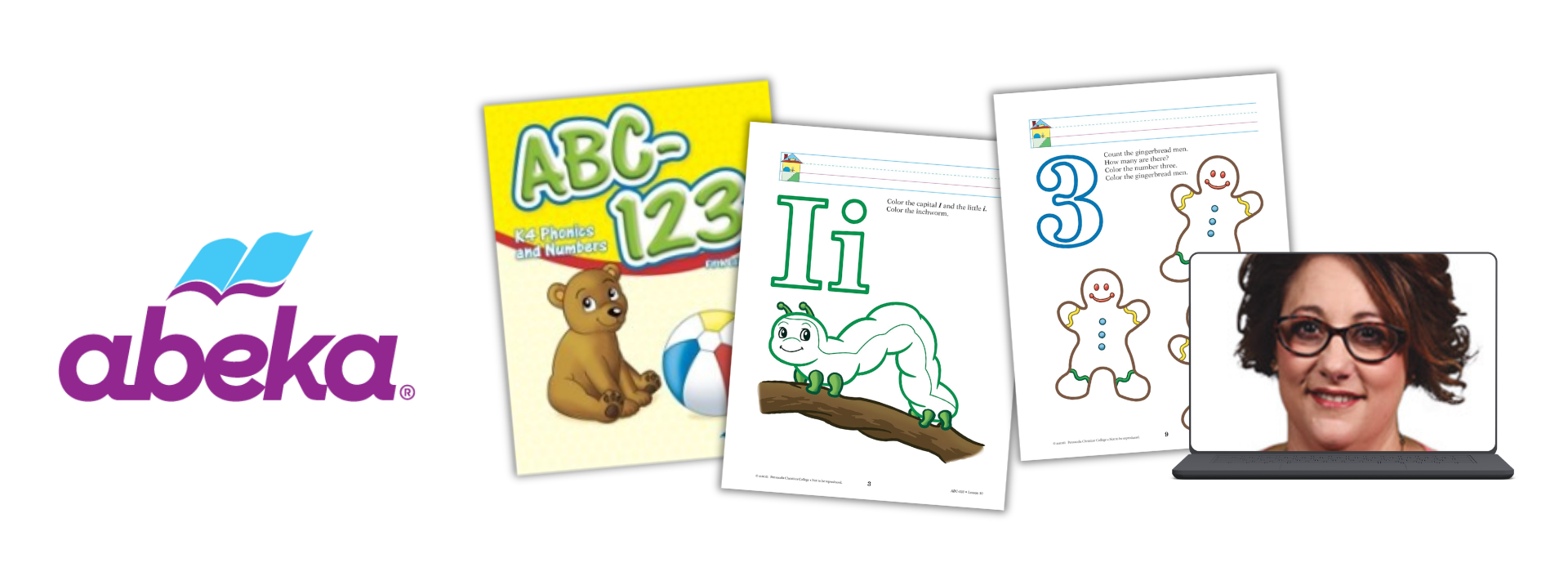
Abeka K4 is a traditional preschool homeschool curriculum with a strong focus on phonics, letter recognition, handwriting, numbers and school-readiness skills.
It can suit children who genuinely enjoy structured workbook lessons and want to feel as though they are doing the same sort of work as an older sibling.
The K4 materials may include phonics, writing, number skills and readiness activities.
Lessons are more academic and traditional than many play-based preschool programs.
Abeka can be a good choice for families who want:
A strong early phonics foundation
Clear, incremental instruction
Plenty of workbook practice
A recognisable classroom-style program
However, I would not feel pressured to complete everything.
Young children often move between intense enthusiasm and sudden declarations that pencils have become unacceptable.
It is perfectly reasonable to use the books only while your child remains interested.
4. Memoria Press Preschool or Junior Kindergarten
⭐ Best classical preschool curriculum
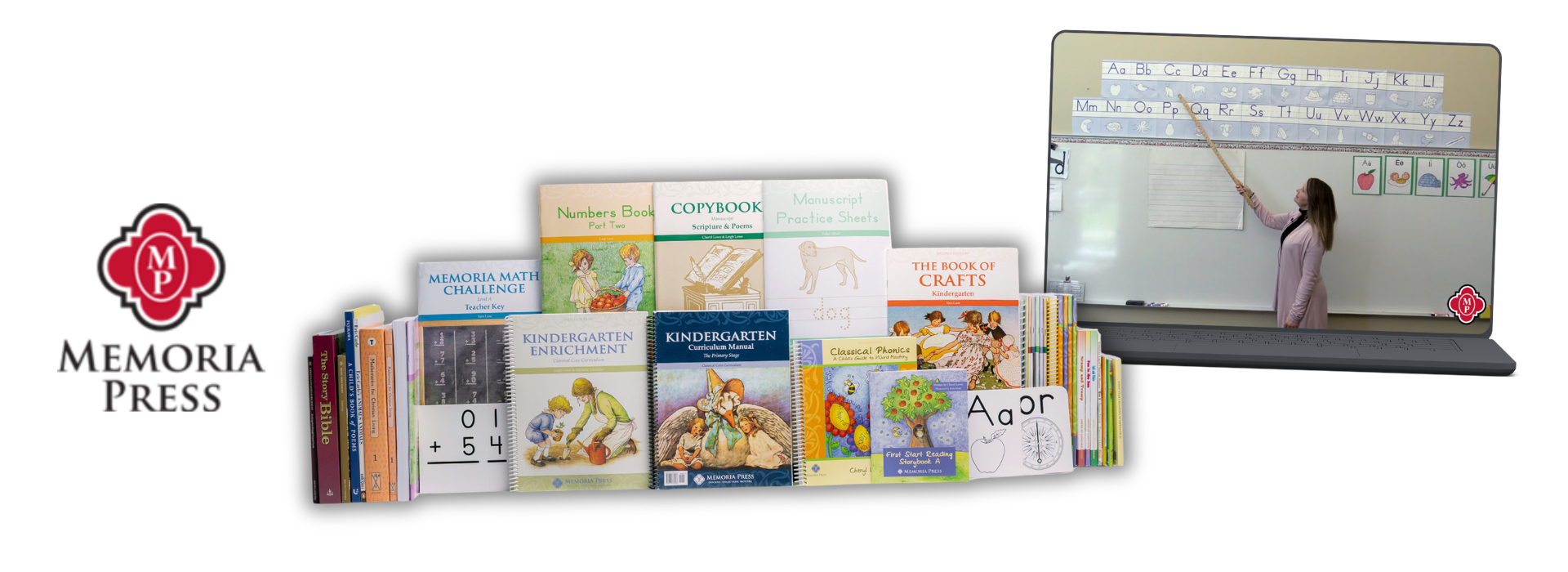
Memoria Press is heaps of fun in preschool!
It offers both preschool materials and a more academic Junior Kindergarten program.
Its preschool level is largely centered around:
✅ quality books,
✅ stories,
✅ recitation, and
✅ gentle activities.
Junior Kindergarten is more structured and is available in different weekly schedules, including a two-day option for families who do not want daily formal lessons.
Memoria Press may appeal to parents wanting:
A classical approach
Excellent children’s literature
Traditional poems, songs and stories
A clear but gentle plan
A two-day or five-day schedule
The two-day Junior Kindergarten plan may be especially useful for families who want a proper program without letting preschool expand until it occupies every available morning.
Memoria Press is thoughtful and academically purposeful, but it can require more parental involvement than a single open-and-go workbook.
Love this choice.

5. Rod & Staff Preschool ABC Series
⭐ Best affordable preschool workbook series
Rod & Staff’s preschool workbooks are a popular option for children who want their own school pages without needing an expensive complete package.
The ABC series includes activities such as:
Tracing
Matching
Cutting and pasting
Colouring
Visual discrimination
Early number work
Basic phonics and sound awareness
Skills are introduced gradually. Later books begin including simple letter and number formation as well as activities such as identifying pictures that begin with a particular sound.
Rod & Staff is fairly traditional and visually simple.
It does not have glossy pages or energetic online animations, but this can actually be helpful for children who are easily distracted.
It is a particularly good choice for a younger sibling who simply wants something to complete while the older children do school.
6. Christian Light Education Kindergarten 1
⭐ Best simple Christian workbook curriculum
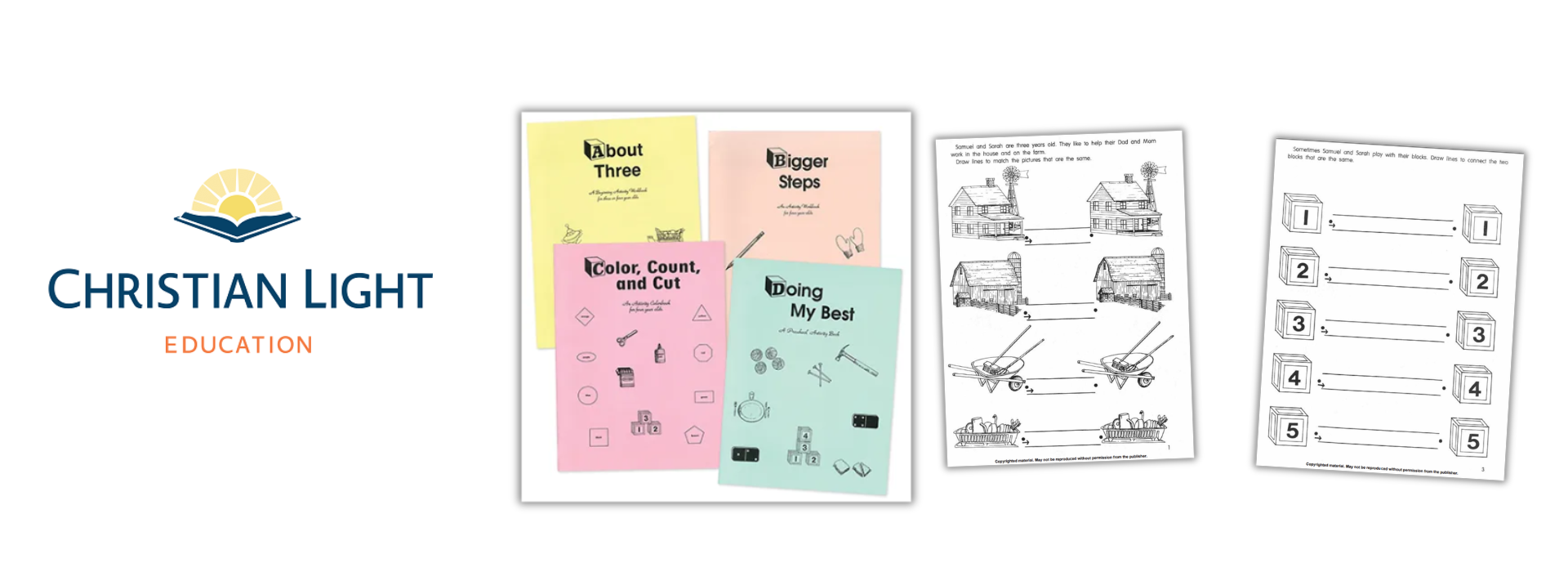
Christian Light Education, often shortened to CLE, offers inexpensive preschool and kindergarten materials with a Christian perspective.
Its Kindergarten 1 materials can work well for three- and four-year-olds developing basic readiness skills. The books are structured, straightforward and designed to be completed in short sections.
CLE may suit families wanting:
Affordable workbooks
Christian content
Clear progression
Simple daily lessons
Less preparation
Like Rod & Staff, the presentation is more traditional than highly decorative. That makes it less visually impressive on the kitchen table but often more practical for actual use.
7. Master Books Stepping Stones
⭐ Best short, open-and-go Christian preschool curriculum
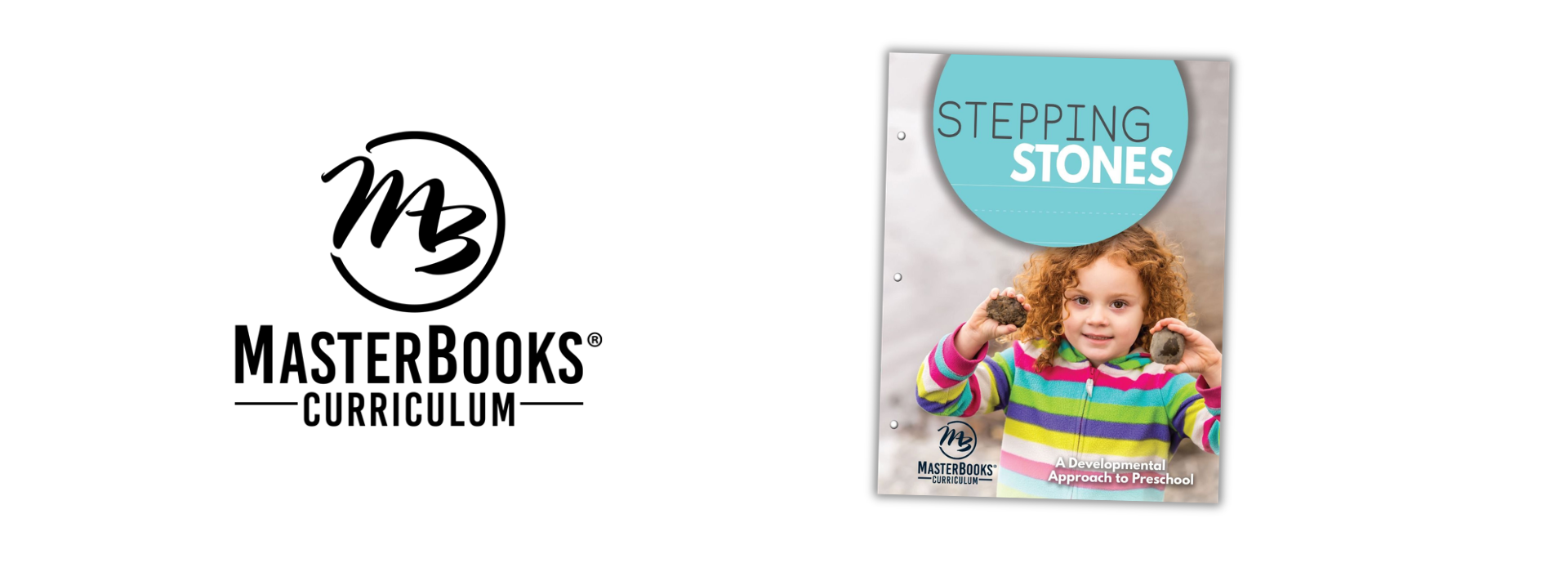
Master Books Stepping Stones is designed as a gentle early-learning program with short lessons and a Christian worldview.
It is often recommended by parents wanting a preschool curriculum that is:
Open and go
Brief
Colourful
Faith-based
Easy to use
This can be a good choice for a busy parent who does not want to spend Sunday evening printing seventeen woodland-animal activities and discovering that the lesson also requires brown felt, four pine cones and a laminator.
Master Books generally takes a relaxed approach, so Stepping Stones may appeal to families who want a little structure without pushing young children too quickly.
Families with an older or more advanced child may also consider Simply K, although that is a kindergarten-level program rather than preschool.
8. ABC Jesus Loves Me
⭐ Best free Christian preschool homeschool curriculum
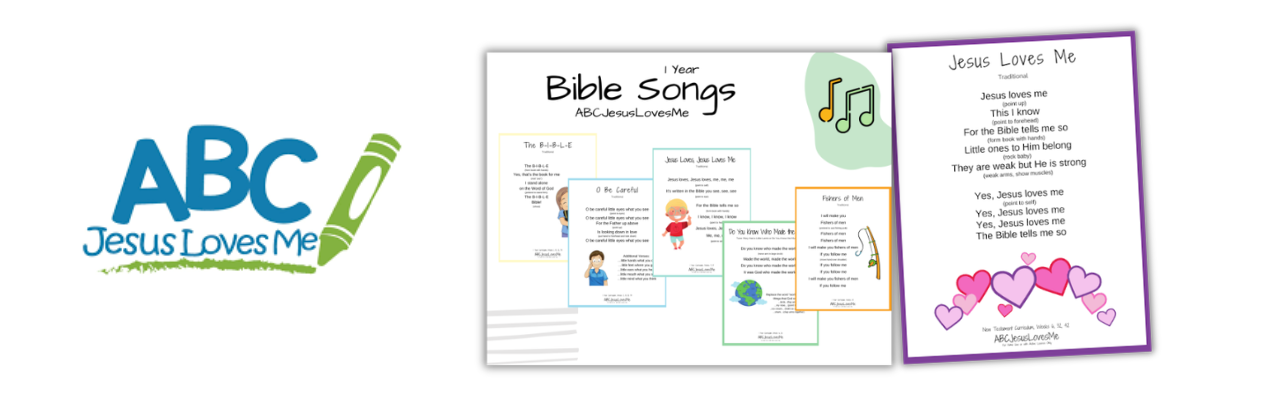
ABCJesusLovesMe is a Christian preschool curriculum that combines early learning, Bible teaching and play-based activities.
It includes plans for different ages and covers areas such as:
Bible stories
Letters and numbers
Fine-motor skills
Music
Crafts
Learning through play
This is one of the strongest choices for families searching for a free preschool homeschool curriculum with explicitly Christian content.
Because it contains activity suggestions, parents will still need to prepare some materials. “Free curriculum” rarely means that scissors, paper plates and printer ink begin miraculously arriving at your front door.
Still, it offers far more guidance than trying to invent a full preschool plan from scratch.
9. A Year of Playing Skillfully
Best play-based preschool curriculum
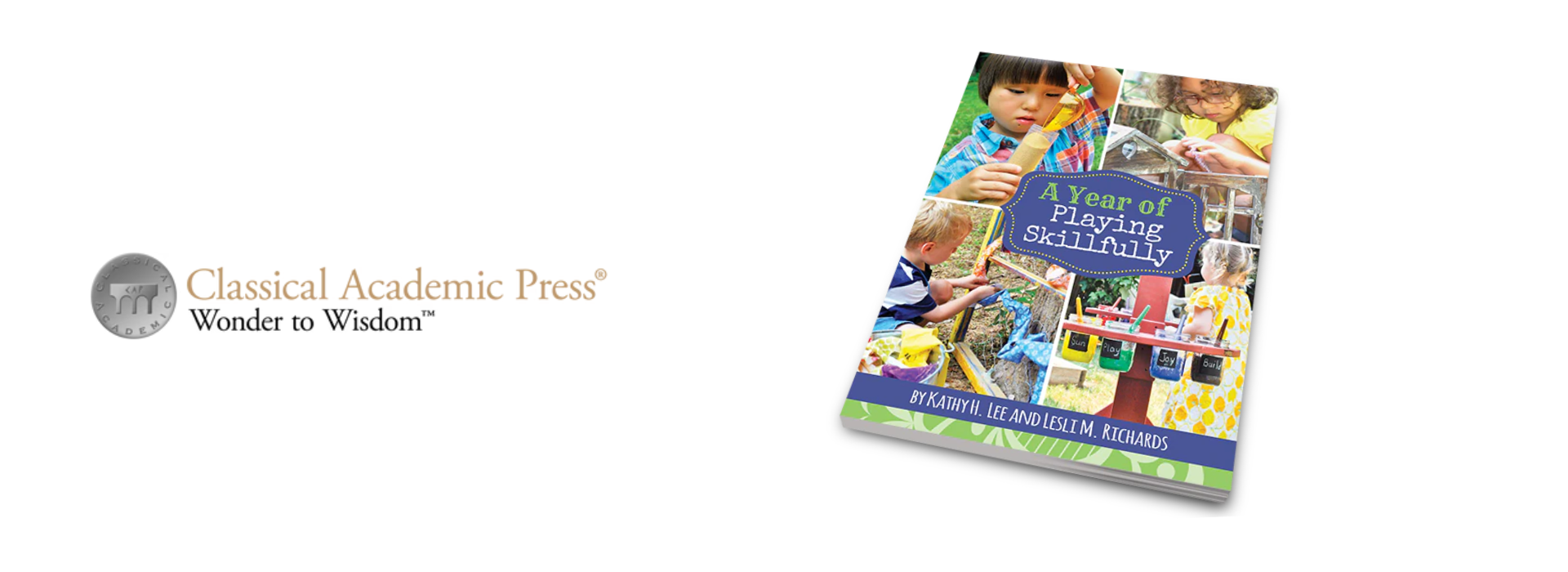
A Year of Playing Skillfully is a year-long, wonder-based curriculum for children ages three to seven. Instead of expecting preschoolers to spend hours filling in worksheets, it develops early skills through play, creativity and hands-on exploration.
Activities cover language and literacy, early mathematics, science and sensory play, art and music, outdoor movement, character development and practical home life. The book is arranged by month and includes detailed instructions, printables, calendars and supply lists.
This may suit families wanting:
A developmentally appropriate, play-based approach
Plenty of art, sensory play and outdoor learning
Activities that can be adapted for several young children
A structured plan without making preschool feel like miniature high school
It does require gathering supplies and doing activities alongside your child, so it is not as effortless as handing over a workbook. However, for parents who want preschool to preserve curiosity, movement and play, this is one of the loveliest options available.
10. Before Five in a Row
⭐ Best literature-based preschool curriculum
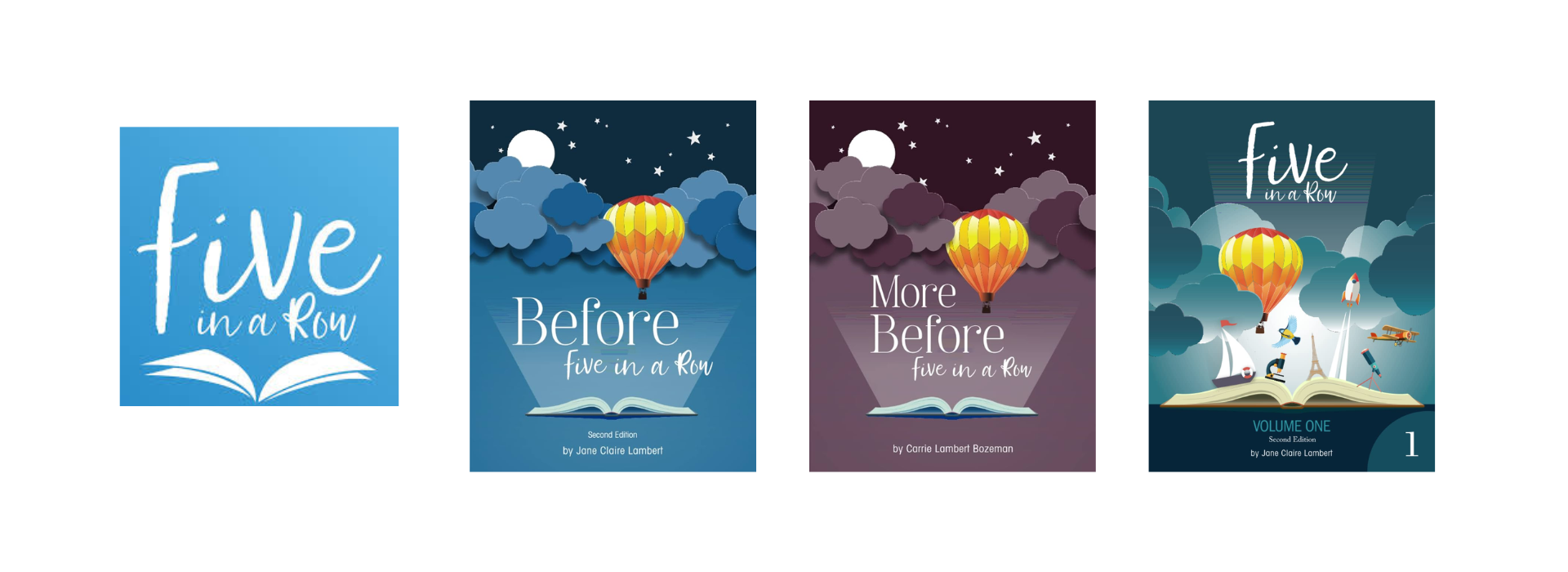
Before Five in a Row is a very popular preschool curriculum!
It uses quality picture books as the centre of preschool learning.
Parents read the selected books with their child and then use them to explore ideas connected to language, art, mathematics, relationships and the wider world.
It is gentle, memorable, and well-suited to children who love stories.
Before Five in a Row may suit families wanting:
A literature-rich preschool
Time together rather than independent worksheets
Flexible lesson ideas
Natural discussion
A warm introduction to learning
It is not primarily a phonics program, so parents wanting direct reading instruction may add something such as All About Reading Pre-Reading or Get Ready for the Code.
11. The Peaceful Press Preschool
⭐ Best calm and beautiful preschool curriculum
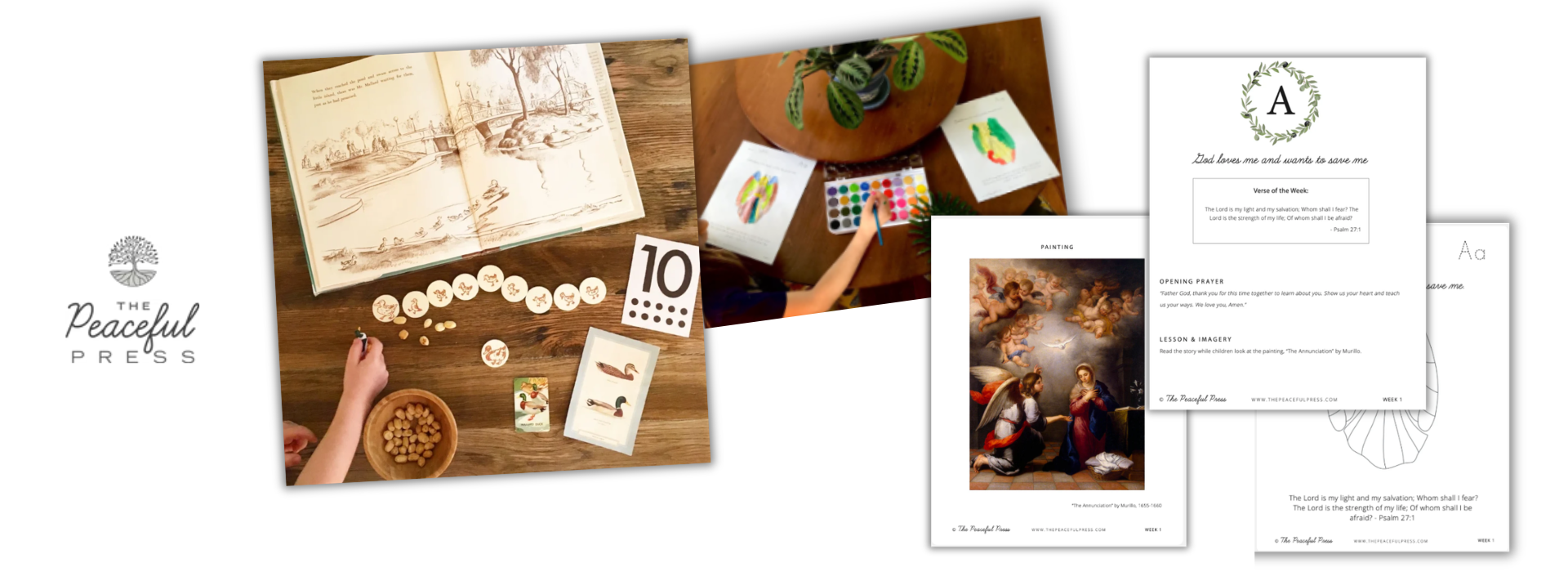
The Peaceful Press is a flexible, literature-based preschool program with stories, nature, practical activities and gentle learning.
It is often described as calm and beautiful, which sounds very appealing when your actual house contains a toddler emptying a drawer and someone crying because their banana broke.
The program may appeal to families wanting:
A relaxed daily rhythm
Good books
Nature study
Practical life activities
Printable resources
A gentle homeschool atmosphere
It is relatively inexpensive, although parents will need to print materials and collect some books and supplies.
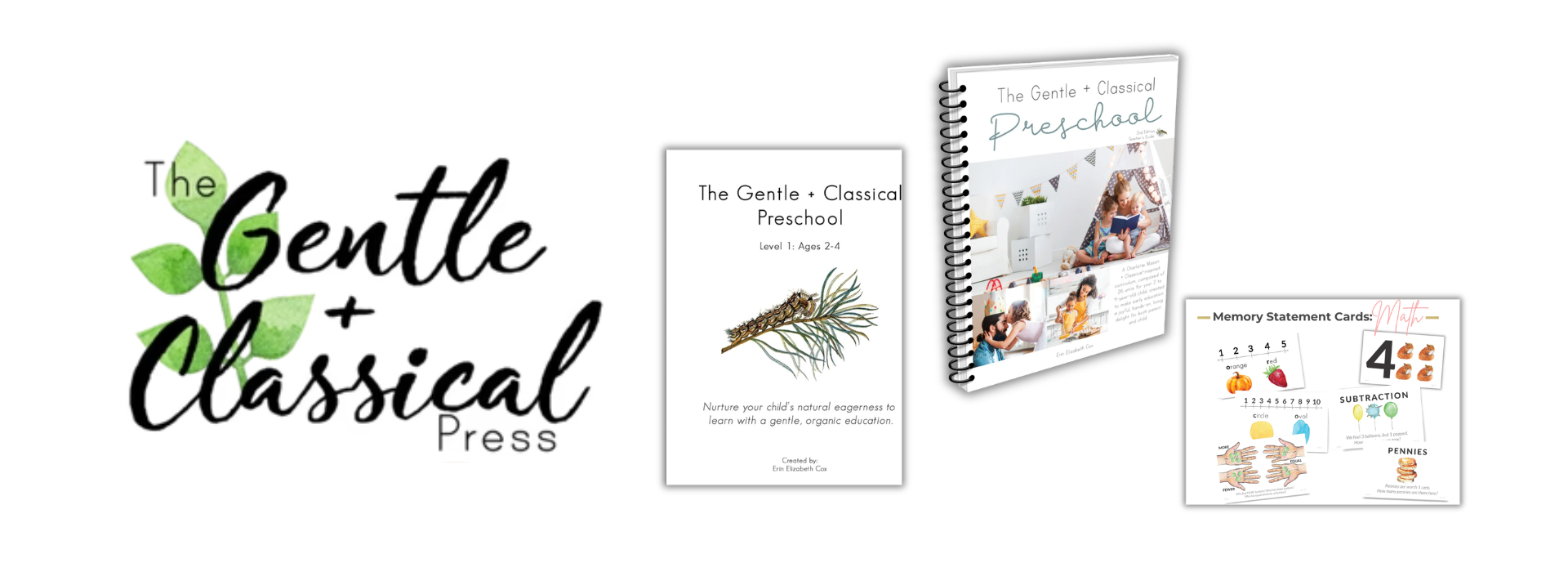
12. Gentle + Classical Preschool
⭐ Best gentle classical program with memory work
Gentle + Classical Preschool blends classical education with age-appropriate stories, songs, movement and hands-on activities.
It introduces early academics while incorporating memory work, literature and exploration.
This curriculum may suit families who want:
Classical elements without excessive pressure
Carefully selected books
Songs and recitation
Hands-on activities
A planned but flexible program
It generally requires more active teaching than handing a child a workbook, but it gives parents a clear framework to follow.

13. Gather ’Round Letters and Numbers
⭐ Best themed preschool unit study
Gather ’Round’s Letters and Numbers program teaches early skills through themed units such as animals, farms and other child-friendly topics.
It may include letters, numbers, Bible, art and activities across several subject areas. Lessons can take around forty minutes, depending on how much you choose to complete.
The program is a good option for families who enjoy:
Unit studies
Themed learning
Multiple subjects combined together
Crafts and extension activities
Four-day homeschool weeks
It offers more than some families need for preschool and can be relatively expensive. However, children who enjoy exploring a topic through books, shows, crafts and outings may love it.

14. All About Reading Pre-Reading
⭐ Best preschool phonics preparation
All About Reading Pre-Reading is designed to develop the skills children need before beginning formal reading instruction.
It focuses on areas such as:
Rhyming
Identifying sounds
Listening for syllables
Letter knowledge
Print awareness
It is not designed to rush preschoolers into reading. Instead, it builds the foundation that makes later phonics instruction easier.
This can be a good choice for a child who is fascinated by letters but not quite ready for a formal learn-to-read program.
Parents wanting direct beginning phonics could also consider:
Get Ready for the Code
A simple learn-to-read activity book
LeapFrog Letter Factory
Letter-sound flashcards
CVC word games
You do not need to teach every possible sound for every letter before beginning simple blending. The aim is steady familiarity, not preparing a preschooler to defend a doctoral thesis on the alphabet.
15. Simple Preschool Workbooks
⭐ Best inexpensive preschool curriculum
A complete boxed curriculum is not always necessary.
Many families successfully use:
School Zone workbooks
Kumon workbooks
Costco educational books
Wipe-clean activity books
Christian Liberty Press preschool books
Fine-motor activity journals
Dot-to-dot books
Cutting and pasting books
Basic tracing and number workbooks
This may be the best option for a child who wants to sit beside an older sibling and “do school” but does not need a comprehensive program.
You could combine one basic workbook with:
Library picture books
Bible stories
Letter-sound practice
Counting games
Outdoor play
Drawing and crafts
The total cost may be less than twenty dollars, and you will not feel guilty if your child completes nine pages before deciding they have retired from formal education.
Preschool Curriculum for Three-Year-Olds
Most three-year-olds do not need a formal curriculum.
At this age, focus on language, play, movement, stories and everyday life. A child asking for school may enjoy:
Five-minute workbook sessions
Songs and nursery rhymes
Simple matching activities
Counting toys
Letter puzzles
Cutting and pasting
Bible stories
Read-alouds
Rod & Staff, CLE Kindergarten 1, ABCJesusLovesMe and simple activity books can all work well for a three-year-old, provided lessons remain short and optional.
Thirty minutes should be viewed as an upper limit for many children, not a minimum target that must be achieved before they are released back into the garden.
Preschool Curriculum for Four-Year-Olds
Four-year-olds vary enormously.
Some are not interested in letters at all. Others are beginning to blend words and asking for written assignments with the determined expression of a tiny office manager.
For an eager four-year-old, you might introduce:
Letter sounds
Beginning blending
Counting and number recognition
Pencil control
Simple crafts
Daily read-alouds
A short Bible lesson
BJU Press Footsteps for Fours, Abeka K4, Memoria Press Junior Kindergarten and Master Books Stepping Stones are all reasonable options for a child wanting a more complete program.
How Long Should Preschool Homeschool Take?
For most preschoolers, formal lessons should take between 10 and 30 minutes a day.
That does not include reading aloud, playing outside, baking, building blocks or spending forty-five minutes explaining why the moon has not followed another family home instead.
You can divide preschool into very short sections:
Five minutes of phonics
Five minutes of numbers
One story
One colouring, tracing or cutting activity
Stop before the child becomes tired or frustrated. It is better to finish while they are asking for one more page than to keep going until the workbook has become a symbol of oppression.
My Final Recommendation
You do not need an elaborate preschool homeschool curriculum to prepare a child for kindergarten.
Read frequently. Talk to your child. Let them play. Give them opportunities to draw, count, cut, build, sing and explore.
But when a preschooler wants to join the older children, a short and enjoyable curriculum can be a wonderful addition.
I used BJU Press Footsteps for Fours with my daughter because she was desperate to start homeschooling beside her older brother. We enjoyed it, and it provided a gentle introduction to kindergarten without making preschool unnecessarily intense.
For another child, I might choose a simple Rod & Staff workbook, a literature-based program or nothing more complicated than library books and a ten-dollar activity book.
The best preschool homeschool curriculum is not necessarily the largest, most expensive or most impressive program.
It is the one that fits your child, fits your available time and can be put away without guilt when someone decides that today’s most important educational activity is digging a very large hole.