Popular Christian Homeschool Curriculum by Grade Level: K–2, Middle School and High School
A popular Christian homeschool curriculum can be brilliant for one age—and a complete disaster for another. If you have one child learning phonics, another doing fractions and an older student asking about high-school credits, you may occasionally wonder how you became the principal of an entire educational institution without receiving your own office. 😅
The problem is that very few homeschool curricula work equally well from Kindergarten through graduation.
Some programs are fantastic during the early years but become painfully repetitive as children grow. Others feel far too difficult with a six-year-old but begin to shine once students can read, write and manage their own assignments.
So rather than forcing one curriculum to work for every child, it is often better to choose the right curriculum for each particular stage.
Parents frequently ask me to create a list of popular homeschooling curriculums with key features, so that is exactly what I have done here.
I’ll walk you through the strongest Christian curriculum options for:
🧸 Kindergarten through Grade 2
📚 Middle school
🎓 High school
I have personally used many of these programs, reviewed them extensively or spoken with families who use them.
So, here’s my list of popular homeschool curriculums, organised by the stages in which I think they work best.
⭐ Quick Picks: Popular Christian Homeschool Curriculum by Age
Need the recommendations before you read all the details?
🧸 Best for Kindergarten to Grade 2
✅ BJU Press: Best for video teachers, colourful workbooks and increasing independence.
✅ My Father’s World: Best for hands-on children and parents who enjoy crafts and family learning.
✅ Abeka Phonics: Best for traditional, highly structured phonics instruction.
✅ All About Reading: Best for struggling readers, dyslexia and multisensory reading instruction.
✅ Master Books: Best for gentle, story-based Christian lessons.
✅ Generations: Best for families wanting exceptionally strong gospel content.
✅ Horizons: Best for parents who want to teach directly and do not mind repetition.
📚 Best for Middle School
✅Sonlight: Best for genuine bookworms.
✅ Heart of Dakota: Best for literature-based, parent-guided learning.
✅ Classical Academic Press: Best for adding Latin, logic or classical writing.
✅ Journey Homeschool Academy: Best for outsourcing Christian science and Bible.
✅ Christian Light Education: Best for affordable, straightforward independent work.
✅ Memoria Press: Best for rigorous classical education.
✅ Gather ’Round: Best for teaching several ages together.
✅ Apologia: Best for colourful, creation-based science.
✅ BJU Press: Best for video teachers, colourful workbooks and increasing independence.
🎓 Best for High School
✅ Compass Classroom: Best for thoughtful, video-based classical education.
✅ Veritas Press: Best for live classes and a premium, fully supported experience.
✅ Memoria Press: Best for rigorous classical academics and logical thinking.
✅ Science Shepherd: Best for affordable Christian science with video lessons.
✅ Christian Light Education: Best for simple, traditional offline learning.
✅ SchoolhouseTeachers.com: Best value for large families needing many subjects.
✅BJU Press: Best for a complete, teacher-led Christian curriculum.
🧸 Best Christian Homeschool Curriculum for Kindergarten to Grade 2
The early years are about building strong foundations in reading, writing and mathematics.
Unfortunately, these are also the years when children are least interested in sitting quietly while you explain the importance of building strong foundations in reading, writing and mathematics.
Young children generally do best with:
✅ Short lessons
✅ Plenty of repetition
✅ Colourful materials
✅ Movement and hands-on activities
✅ Direct encouragement
✅ A parent who has accepted that every pencil will disappear precisely when the lesson begins
At this age, the best curriculum is not necessarily the one that looks most academically impressive.
It is the one you can actually use consistently without making everyone dread the dining table.
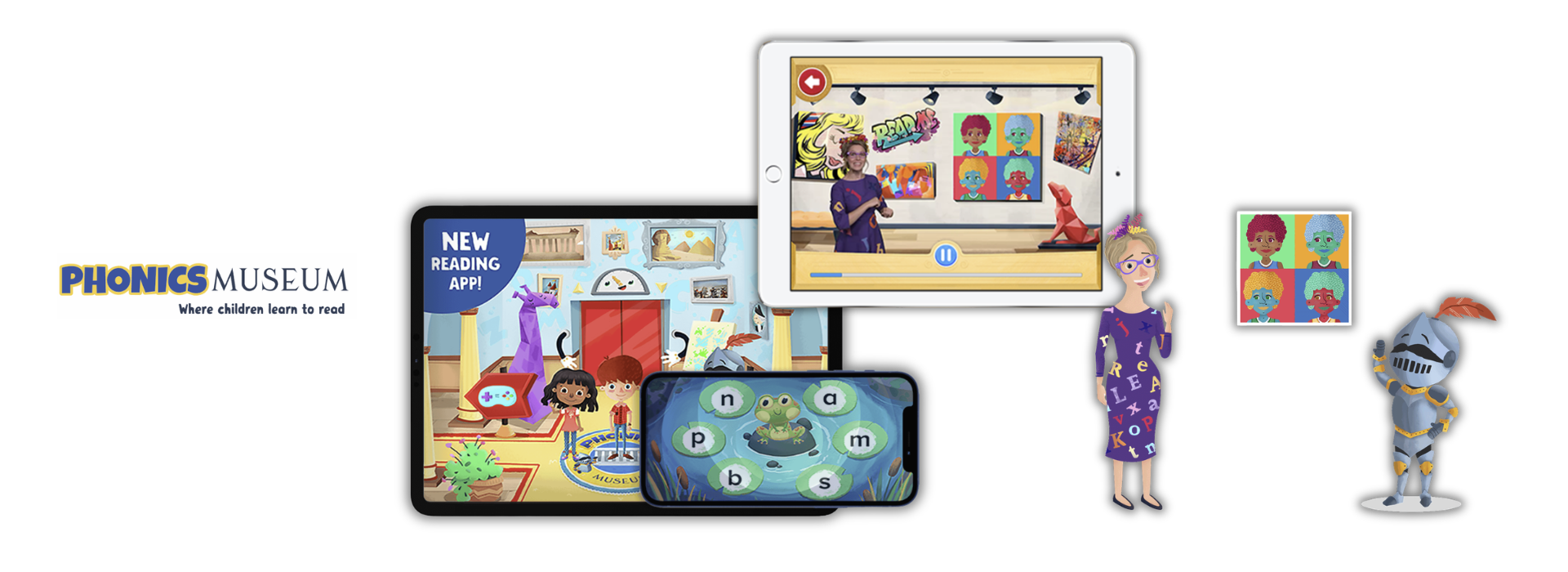
🎮 Phonics Museum
Phonics Museum (app pictured above) is a bright online phonics program that helps young children connect letters with their sounds.
It is not a complete replacement for a structured learn-to-read curriculum, but it can be a helpful supplement—especially on days when you cannot sit beside your child for every lesson.
We have used it as a fun alternative to Reading Eggs.
Sometimes you are working from home.
Sometimes you are dealing with chronic pain.
Sometimes the toddler has decided that breakfast belongs on the floor and clothing is optional.
On those days, an online phonics activity can keep the ABCs moving forward without requiring you to present an elaborate one-on-one lesson involving flashcards, songs and homemade letter biscuits.
It can also provide a welcome change when your regular reading curriculum begins to feel repetitive.
✅ Best for: Extra phonics practice, low-energy homeschool days and children who enjoy screen-based learning.
❌ Not ideal for: Families wanting a complete, systematic reading curriculum.
⚠️ Remember: Use it as a supplement, not your child’s only reading instruction.
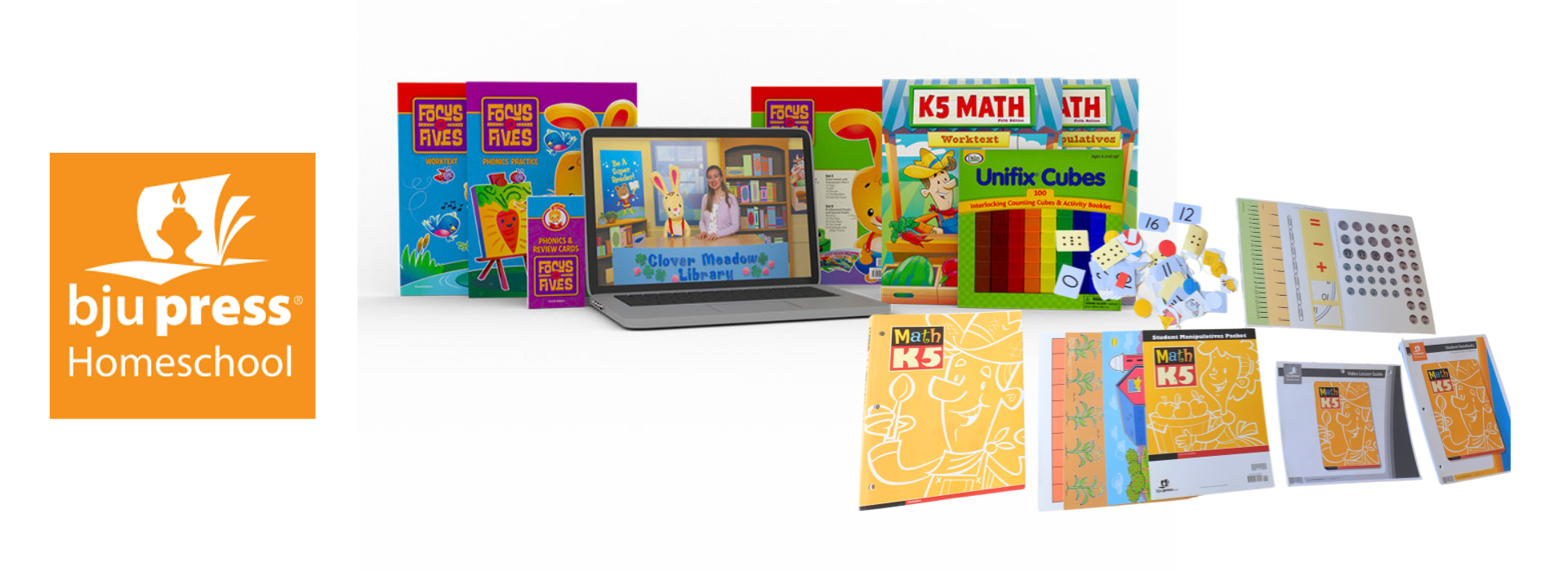
🎥 BJU Press Homeschool
BJU Press (pictured above) is the curriculum we use for most subjects in our home, and the biggest reason is independence.
With the online video option, a teacher presents the lesson while the corresponding physical worktext helps the child practice what they have learned.
This means I can work from home while my children continue with their homeschool lessons.
My son is now in Grade 3 and completes around 95% of his work independently.
That is not because he sprang from the womb holding a sharpened pencil and requesting his spelling test. The video teachers have gradually trained him to follow instructions, complete his work, and manage his lessons.
The combination of video lessons and colorful physical workbooks has also worked exceptionally well for him as a child with dyslexia.
Instead of processing a large block of written instructions alone, he can:
Watch the teacher explain the concept.
See worked examples.
Complete the corresponding workbook page.
For families wanting greater independence, choose the video lessons rather than relying entirely on the teacher manuals.
The manuals are thorough, but they place all the teaching back on the parent. (See the video below for more on this difference…your eyes will be opened!!!)
That is wonderful if you want to teach every subject personally. It is less wonderful when you purchased BJU because you thought somebody else was going to explain regrouping.
BJU Press is:
✅ Academically strong
✅ Colourful and engaging
✅ Taught from a clear Christian worldview
✅ Structured enough for new homeschoolers
✅ Flexible enough to shorten
There is plenty of material available, but you do not have to complete everything.
When my children have mastered a concept, we skip sections. When they need additional practice, the extra material is there.
✅ Best for: Families wanting strong academics, physical books and video teachers.
❌ Not ideal for: Families wanting a very cheap or completely parent-led curriculum.
⚠️ Remember: Choose the video option if independence is your main priority. But we use this one and love it. It’ s great for beginner homeschooling families and even experienced families who get busy.
🛒 Check out the pricing for BJU Press here.

✂️ My Father’s World
My Father’s World is a popular Christian homeschool curriculum for families who want hands-on, literature-based learning.
It combines:
📖 Bible
🌍 History
🔬 Science
📚 Read-alouds
🎨 Crafts
🧪 Experiments
👨👩👧👦 Family learning
Children may build something, act out a story, complete an experiment or explore a subject together as a family.
This approach can be particularly effective during the early years because many young children learn better while moving and using their hands.
Some children are simply not designed to sit silently beside a workbook for several hours.
Frankly, many adults are not designed for that either.
My Father’s World is frequently recommended for younger students because it creates a warm, engaging learning environment.
It is not naturally my style because I am not a craft person.
Some mothers see cardboard, glue and coloured paper and immediately imagine a beautiful model village.
I see an afternoon of cleaning tiny scraps from the floor. 😬
However, for crafty parents and energetic children, My Father’s World can be an absolute hit.
✅ Best for: Active children, family learning and parents who enjoy crafts.
❌ Not ideal for: Parents wanting highly independent or workbook-only lessons.
⚠️ Remember: This curriculum requires regular parent participation.
🛒 Check out current pricing for MFW here (and this link gives you $20 off too!)
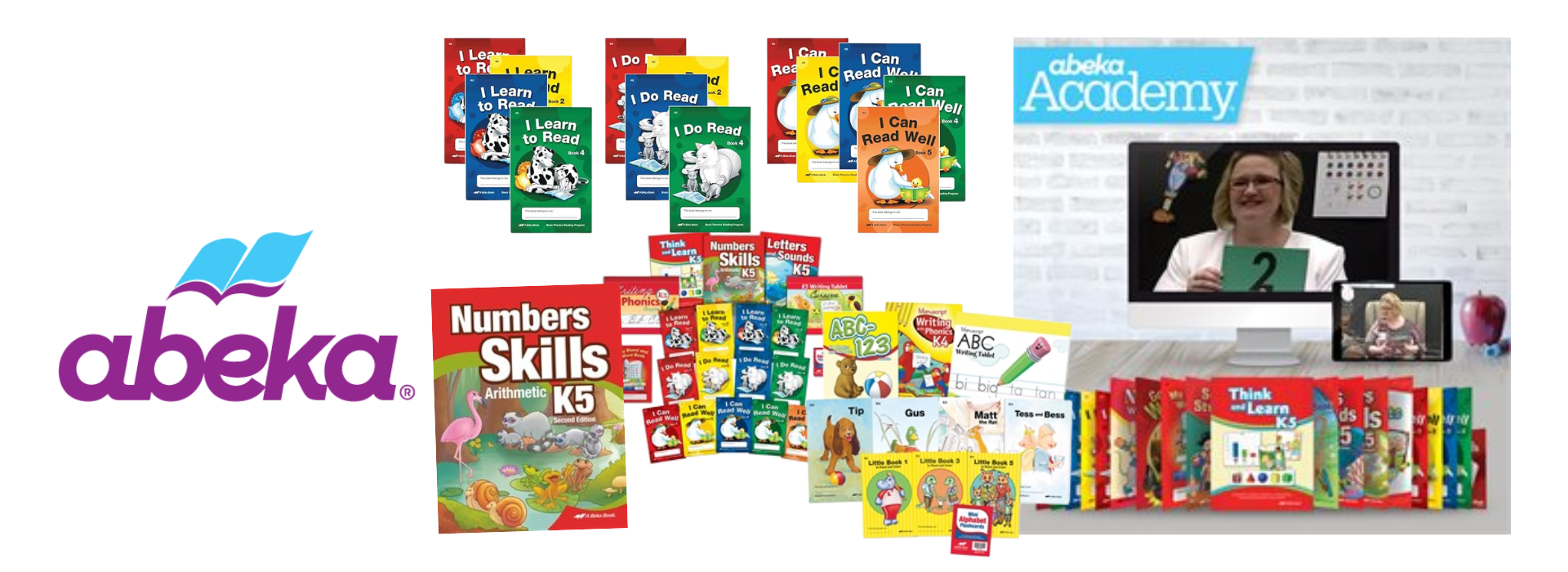
🔤 Abeka Phonics
I am not generally a major Abeka fan.
I used Abeka during my own homeschool years, and certain textbooks still produce a mild emotional response when I see them.
However, Abeka’s phonics program is genuinely excellent.
Even families who do not use the full Abeka curriculum often choose its reading and phonics materials.
The program uses:
✅ Memorisation
✅ Workbooks
✅ Drills
✅ Direct teaching
✅ Plenty of repetition
During the early years, that repetition can be highly effective because children need frequent practice connecting letters, sounds and words.
Abeka Phonics is particularly suitable for families who prefer a structured, traditional approach.
The downside is that the repetition may become excessive if you attempt to complete every activity exactly as written.
There is thorough, and then there is asking a child to prove for the 47th time that they recognise the letter B.
Once your child has clearly mastered a skill, do not be afraid to skip some review.
✅ Best for: Traditional, systematic phonics instruction.
❌ Not ideal for: Children who become frustrated by heavy repetition.
⚠️ Remember:Shorten lessons once mastery is obvious.

🔡 All About Reading
All About Reading is not a Christian curriculum, but it is recommended so frequently in Christian homeschool communities that it deserves a place on this list.
It uses an Orton-Gillingham-based approach and teaches reading through direct, multisensory instruction.
Children use:
Letter tiles
Readers
Games
Activity sheets
Phonogram cards
Direct parent instruction
Many parents find it more engaging and less repetitive than a highly traditional phonics program.
It can be especially helpful for:
✅ Struggling readers
✅ Children with dyslexia
✅ Children needing multisensory instruction
✅ Parents wanting a very clear reading sequence
The main consideration is that All About Reading is parent-led.
You cannot hand the book to your five-year-old, make a cup of tea and return later expecting fluent reading to have occurred.
You will need to sit beside your child, teach the lesson and complete the activities together.
✅ Best for: Children needing explicit, hands-on reading instruction.
❌ Not ideal for: Parents needing an independent or video-led program.
⚠️ Remember: It is highly effective, but it requires your time.
🛒 Check out current pricing for All About Reading here.

📖 Master Books
Master Books offers a gentle Christian curriculum with Charlotte Mason influences.
Its lessons often use stories to introduce academic concepts, making subjects feel more approachable and less formal.
The books are generally:
✅ Colourful
✅ Easy to use
✅ Open-and-go
✅ Christian
✅ Young-earth creationist
✅ Shorter than many traditional programs
Master Books can work particularly well for families wanting gentle academics and a relaxed homeschool rhythm.
However, use the placement tests.
I once bought their Kindergarten mathematics curriculum without checking the placement information.
It was far too easy for my child, and I quickly realised she needed the next grade.
That was a slightly painful $100 lesson in why curriculum companies provide placement tests. 💸
The grade printed on the front does not always match the level your child needs.
A first grader may require Kindergarten work in one subject and second-grade work in another.
That flexibility is one of the advantages of homeschooling. No alarm sounds because your child’s books display different numbers.
✅ Best for: Gentle academics, short lessons and story-based learning.
❌ Not ideal for: Families wanting a highly rigorous or fast-paced curriculum.
⚠️ Remember:Do the placement test before buying.
🛒 Check out current pricing for Masterbooks here.
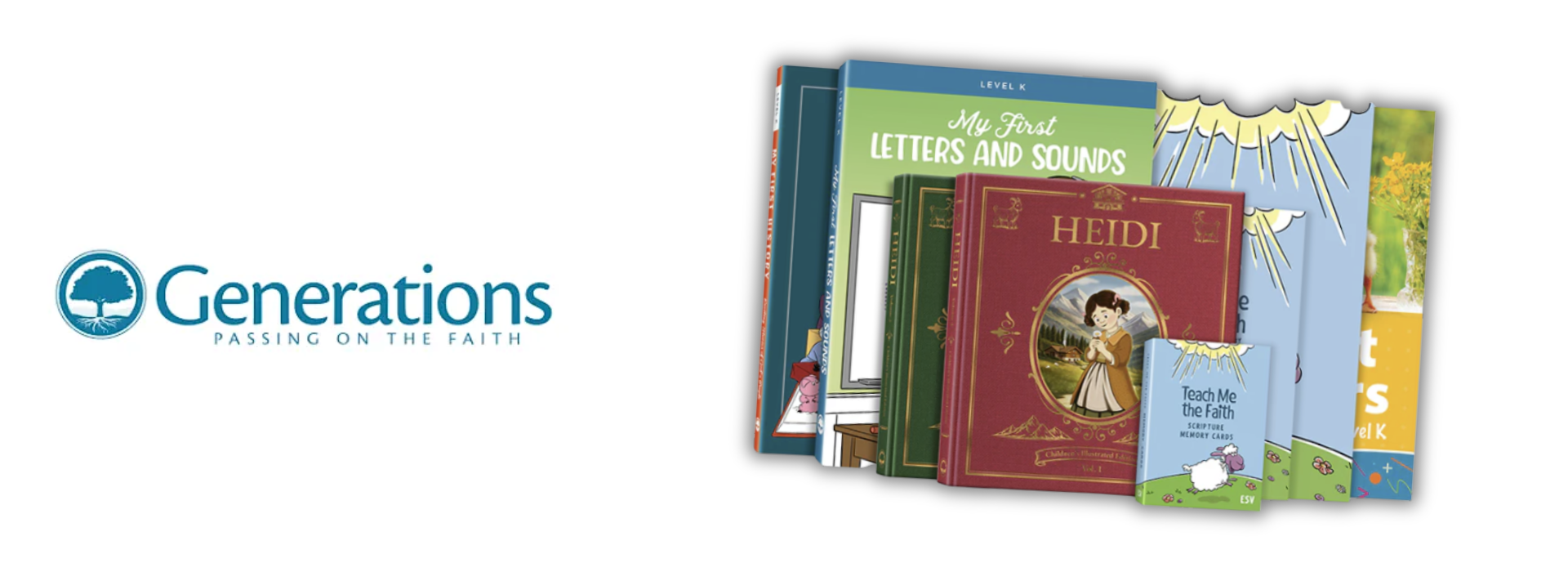
✝️ Generations Homeschool Curriculum
Generations may be the most popular Christian homeschool curriculum among families wanting strong gospel content woven into nearly every subject.
Bible verses, gospel explanations and Christian worldview teaching appear throughout the materials.
Faith is not added as a small devotional and then forgotten for the remaining 150 pages.
Generations also places a strong emphasis on:
✝️ Gospel teaching
🌍 Missionary biographies
📖 Christian history
🙏 Discipleship
👨👩👧👦 Family learning
🌎 Prayer for nations
Rather than relying heavily on fictional stories, children read about people such as Polycarp and Hudson Taylor.
You may not encounter Alice falling down a rabbit hole, but you will encounter missionaries crossing oceans, surviving enormous difficulties and faithfully preaching the gospel.
Generations offers colourful, open-and-go workbooks across several subjects. Once children can read confidently, many of the materials can be completed fairly independently.
It is also relatively affordable compared with many complete Christian curriculum packages.
✅ Best for: Gospel-centred learning, missionary stories and family discipleship.
❌ Not ideal for: Families wanting light or occasional Christian content.
⚠️ Remember: The biblical content is strong and frequent—which will either be the main attraction or more than some families want.
🛒 Check out current pricing for Generations here.
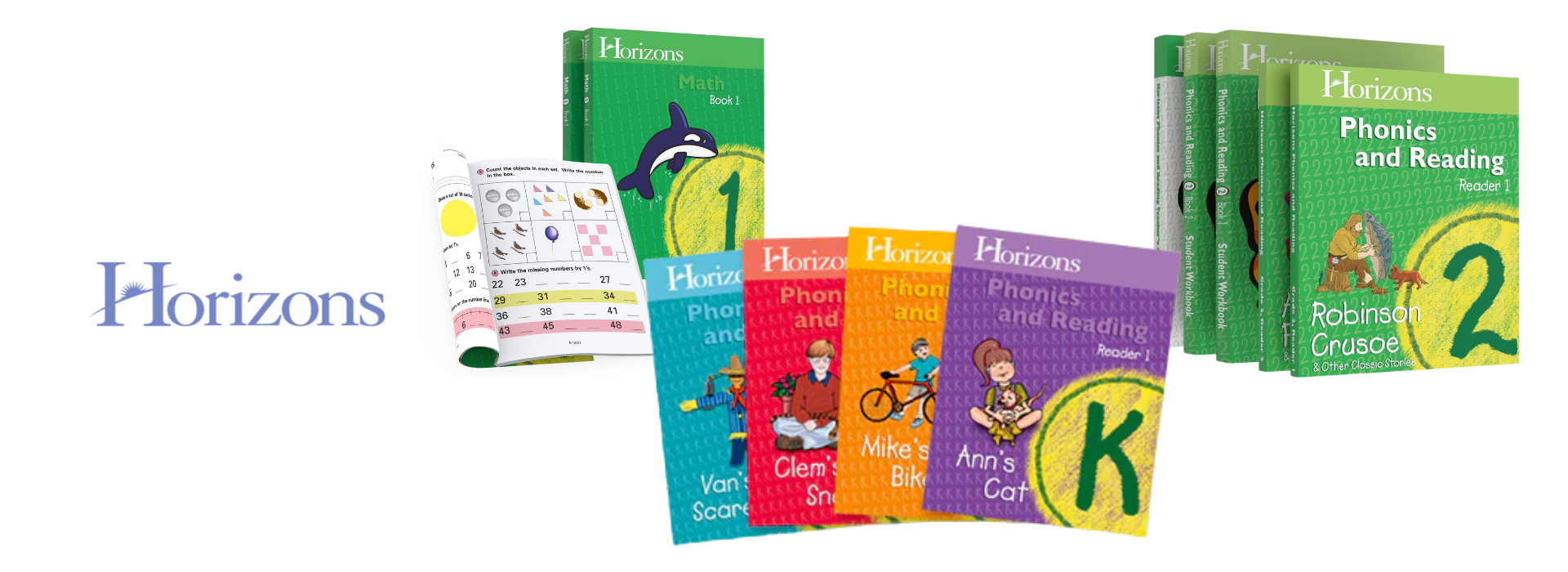
🌈 Horizons
Horizons is one of those curricula people either love or deeply regret buying.
The difference often comes down to how much time the parent has available.
Horizons is designed for parents who want to sit down and teach their children directly.
It uses bright, colourful workbooks and a traditional, thorough approach.
If you enjoy one-on-one teaching and have time to explain the lessons, it can work well.
If you are looking for independence, this is probably not your curriculum.
The teacher manuals also receive mixed reviews. They can feel repetitive and may not provide as much explanation as some parents expect, particularly in mathematics.
You will probably need to skip some of the review.
Like many traditional curricula, Horizons seems determined to make absolutely certain your child understands the concept.
Then it checks again.
And again.
And perhaps once more in case understanding escaped during morning tea.
✅ Best for: Parents wanting to teach directly using traditional, colourful workbooks.
❌ Not ideal for: Busy parents needing independent lessons.
⚠️ Remember: Horizons is thorough, repetitive and parent-led.
🛒 Check out current pricing for Horizons here.
📚 Best Popular Homeschool Curriculum for Middle School
Middle school is where homeschooling begins to shift.
Children can usually read more confidently, follow longer instructions and manage at least some of their work independently.
This can make homeschooling easier.
It can also mean the science textbook is now 400 pages long and your child has suddenly developed strong opinions about every assignment.
At this stage, curriculum should help students develop:
✅ Independent study habits
✅ Deeper reading skills
✅ Clear written communication
✅ Logical thinking
✅ Personal responsibility
✅ The ability to find the pencil they were holding thirty seconds ago
The best popular homeschool curriculum for middle school depends heavily on whether your child prefers books, videos, hands-on activities or straightforward workbook learning.
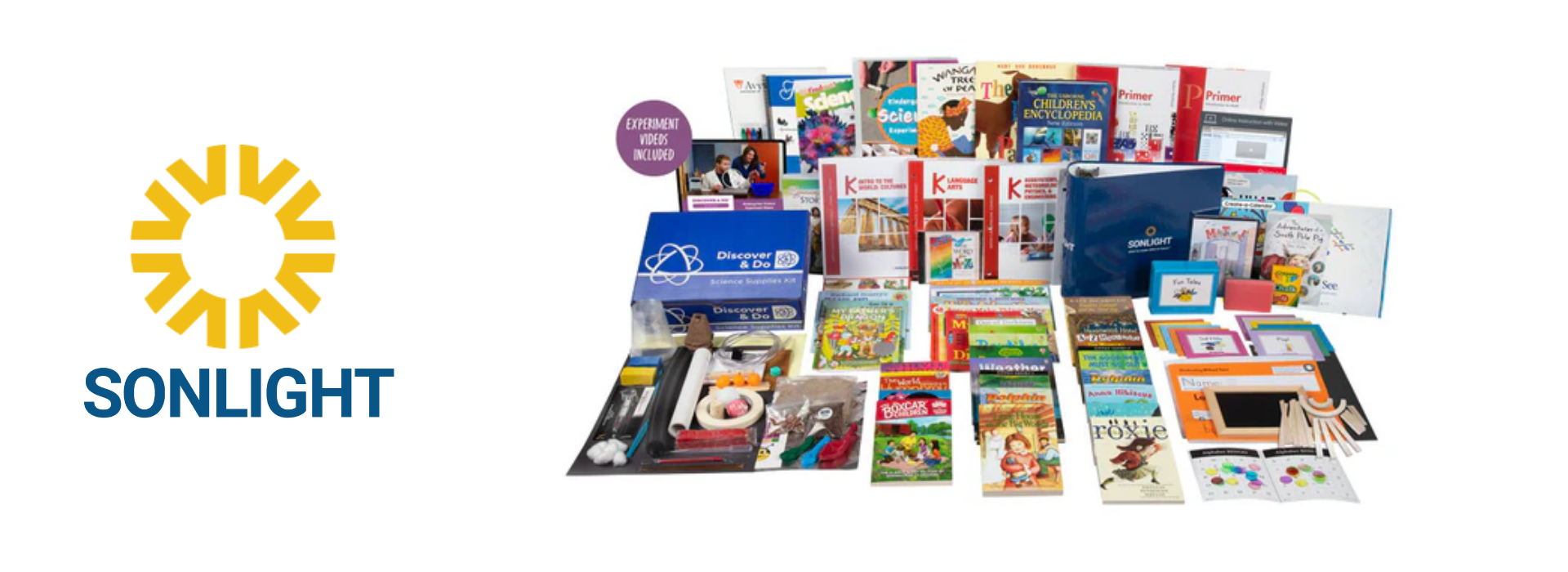
📚 Sonlight
Sonlight can be excellent for children who genuinely love reading.
But please do not choose Sonlight unless your child enjoys books.
I mean that.
If your child sees a stack of novels and becomes excited, Sonlight may be a wonderful fit.
If your child sees a stack of novels and asks whether watching the film counts, Sonlight may turn every day into a long uphill march.
Sonlight uses literature to teach history, geography and other subjects. Students read novels, biographies and historical books rather than relying mainly on standard textbooks.
One significant advantage is that you gradually build a large home library that can be reused with younger siblings.
I personally enjoy Sonlight’s readers. However, I am less enthusiastic about some of its history and science selections because certain books assume or promote evolution.
Christian parents should review the materials and decide whether they are comfortable discussing those perspectives with their children.
✅ Best for: Confident readers and book-loving families.
❌ Not ideal for: Reluctant readers.
⚠️ Remember: Some science and history books may require Christian worldview discussion.
🛒 Check out current pricing for Sonlight here.
🌎 My Father’s World
My Father’s World can continue working well during middle school, particularly for families who enjoy hands-on learning and family-style subjects.
Its multi-age structure allows siblings to study some topics together while completing assignments suited to their level.
This can dramatically reduce the number of separate lessons a parent must teach each day.
Instead of presenting three completely different history lessons, you can study one topic together and adjust the work for each child.
Older children can work more independently than younger students, but My Father’s World still expects the parent to:
Lead discussions
Organise activities
Read portions aloud
Oversee the schedule
Keep everyone moving
For families who enjoy learning together, that is a strength.
For parents dreaming of handing over a box and saying, “Please educate yourself while I answer emails,” it may be less ideal.
✅ Best for: Multi-age family learning and hands-on middle school.
❌ Not ideal for: Parents wanting a hands-off curriculum.
⚠️ Remember: It remains parent-involved.
🛒 Check out current pricing for All About Reading here.
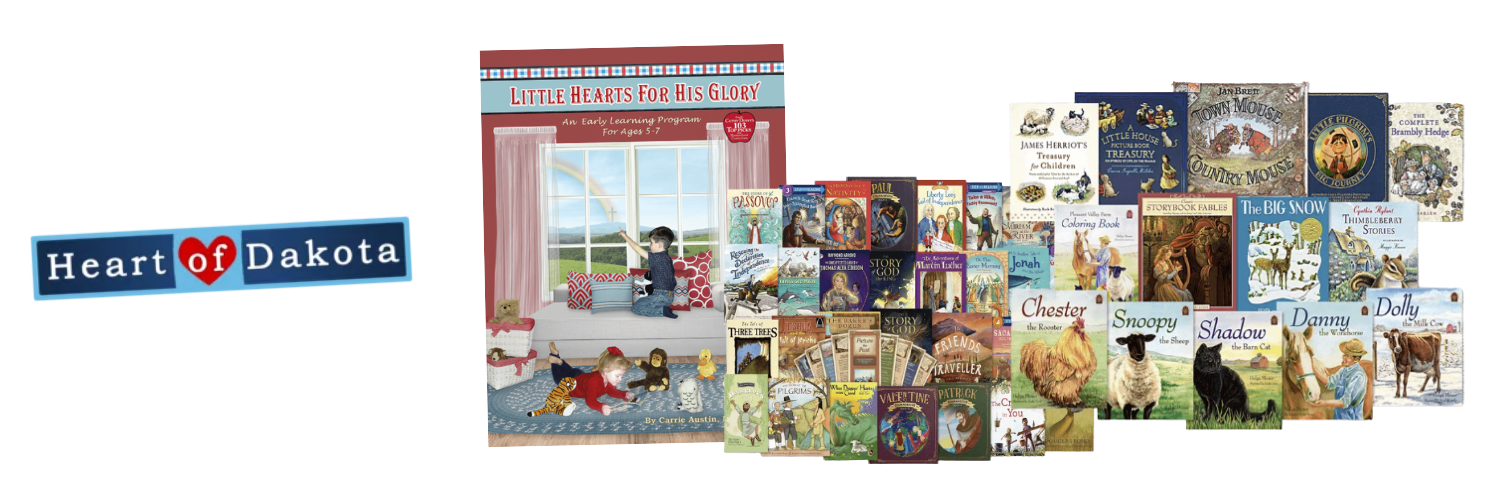
📖 Heart of Dakota
Heart of Dakota can be used in the younger years, but I think it really shines once children can read more independently.
It is a Charlotte Mason-inspired Christian curriculum combining:
Literature
Narration
History
Science
Bible
Written work
The Instructor Guides tell parents what to do each day. You follow the instructions, complete the lessons and move through the program in a structured sequence.
Heart of Dakota uses packages designed for broad age ranges rather than strictly matching one grade.
That can make it easier to place students according to their reading ability and maturity, rather than the number on their birth certificate.
It is organised and fairly open-and-go, but it is not hands-off.
Children still require regular parent involvement.
Not overwhelming involvement.
More like constant involvement.
You may not be teaching every word, but you are still the person keeping the educational train on the tracks.
✅ Best for: Literature-based learning with a clear daily plan.
❌ Not ideal for: Parents wanting students to manage everything alone.
⚠️ Remember: The parent remains closely involved throughout the day.
🛒 Check out current pricing for Heart of Dakota here.

🏛️ Classical Academic Press
Classical Academic Press is a strong option for families wanting to introduce classical subjects without replacing their entire curriculum.
You can begin with one subject, such as Latin or writing, and see how your child responds.
Its strongest subjects include:
Latin
Logic
Writing
Rhetoric
Classical studies
We have used Classical Academic Press ourselves.
Compared with some classical programs, the materials are:
✅ Colourful
✅ Approachable
✅ Thoughtfully organised
✅ Available with excellent video instruction
The video courses make subjects such as Latin much easier to implement.
Latin may be a beautifully ordered language, but it does not always feel beautifully ordered when the parent is attempting to teach it from a textbook while privately wondering how much Latin anyone truly needs.
The video teachers remove much of that pressure.
✅ Best for: Adding individual classical subjects to your homeschool.
❌ Not ideal for: Families wanting one complete package covering every subject.
⚠️ Remember: Classical Academic Press is strongest when used subject by subject.
🛒 Check out current pricing for CAP here.

🎬 Journey Homeschool Academy
Journey Homeschool Academy is a helpful option for parents who want someone else to teach science or Bible.
Its courses use:
🎥 Video lessons
🪐 Strong graphics
💬 Conversations between homeschool students and parents
📄 Printable PDFs
📚 Optional physical workbooks
The videos feel more relaxed and personal than a traditional classroom lecture.
Journey Homeschool Academy teaches from a Christian worldview and offers courses such as biology, marine biology, astronomy and Bible.
We have used Journey Homeschool Academy and had a positive experience with it.
The lessons are visually engaging and provide a welcome break for parents who do not want to personally teach every subject.
Sometimes, outsourcing one or two subjects is the difference between a sustainable homeschool routine and a mother hiding in the pantry eating chocolate chips.
✅ Best for: Video-based Christian science and Bible.
❌ Not ideal for: Families wanting one complete all-subject curriculum.
⚠️ Remember: Journey is generally used for individual subjects.
🛒 Check out current pricing for JHA here.

✝️ Generations
Generations remains a strong option during middle school.
Its curriculum continues to emphasise:
The gospel
Discipleship
Christian history
Missionary biographies
Prayer for nations
Family discussion
The history programs do more than present dates and events.
They encourage students to consider how Christianity has shaped different nations and to pray for people around the world.
The physical workbooks and textbooks are colourful and can be used offline.
Generations is particularly suitable for families wanting faith integrated throughout their children’s education rather than confined to a separate Bible lesson.
✅ Best for: Strong biblical worldview and discipleship.
❌ Not ideal for: Families wanting a religiously neutral core curriculum.
⚠️ Remember: Older students can work more independently, but family discussion remains valuable.
🛒 Check out current pricing for All About Reading here.
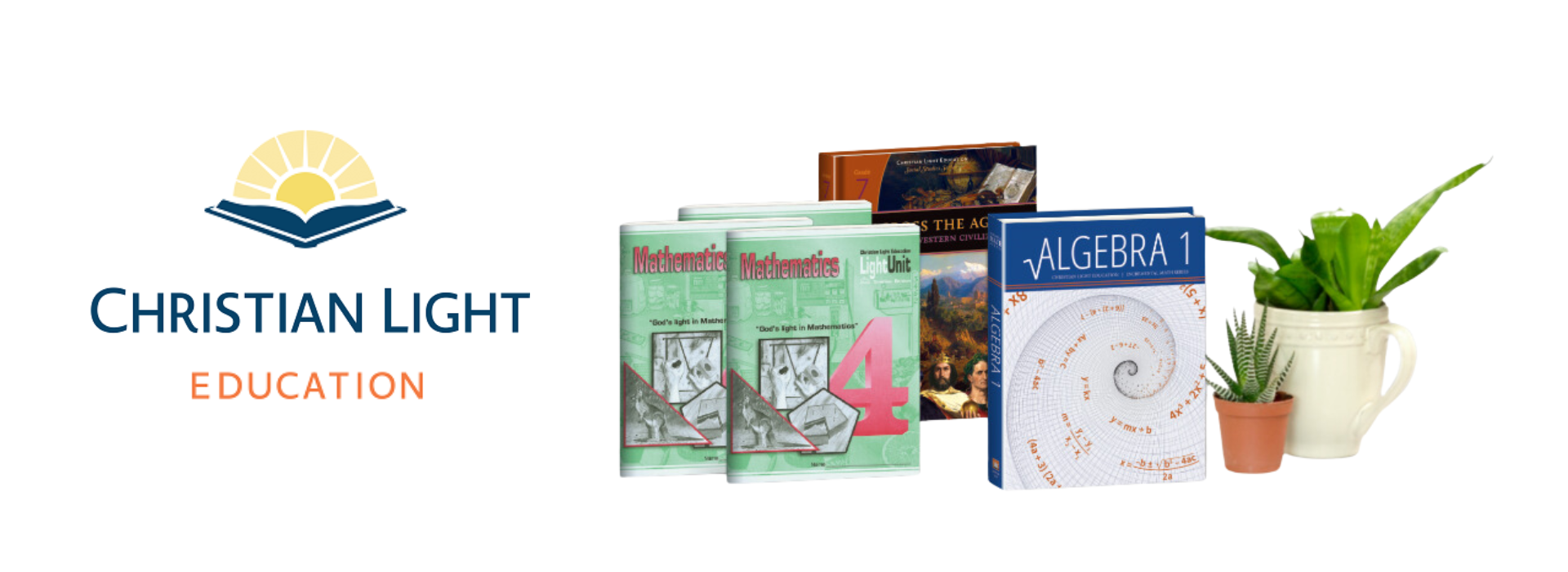
📝 Christian Light Education
Christian Light Education, usually called CLE, is ideal for families who are over the fluff and simply want school completed efficiently.
CLE is:
✅ Traditional
✅ Straightforward
✅ Affordable
✅ Biblical
✅ Independent
Its courses use small black-and-white workbooks called LightUnits. Students complete one booklet, take a test and move to the next.
There are no elaborate online worlds, cinematic introductions or animated historical characters leaping across the screen.
There is a workbook.
There are instructions.
The student does the work.
And sometimes that is exactly what a family needs.
CLE is known for strong academics, biblical content and independent learning.
Its clean layout can be particularly helpful for children who become distracted by highly decorated pages.
It may not be visually exciting, but it is dependable.
CLE is the curriculum equivalent of sensible shoes.
✅ Best for: Affordable, no-nonsense independent work.
❌ Not ideal for: Children needing colourful books or video instruction.
⚠️ Remember: CLE is mostly black and white and does not attempt to entertain the student.
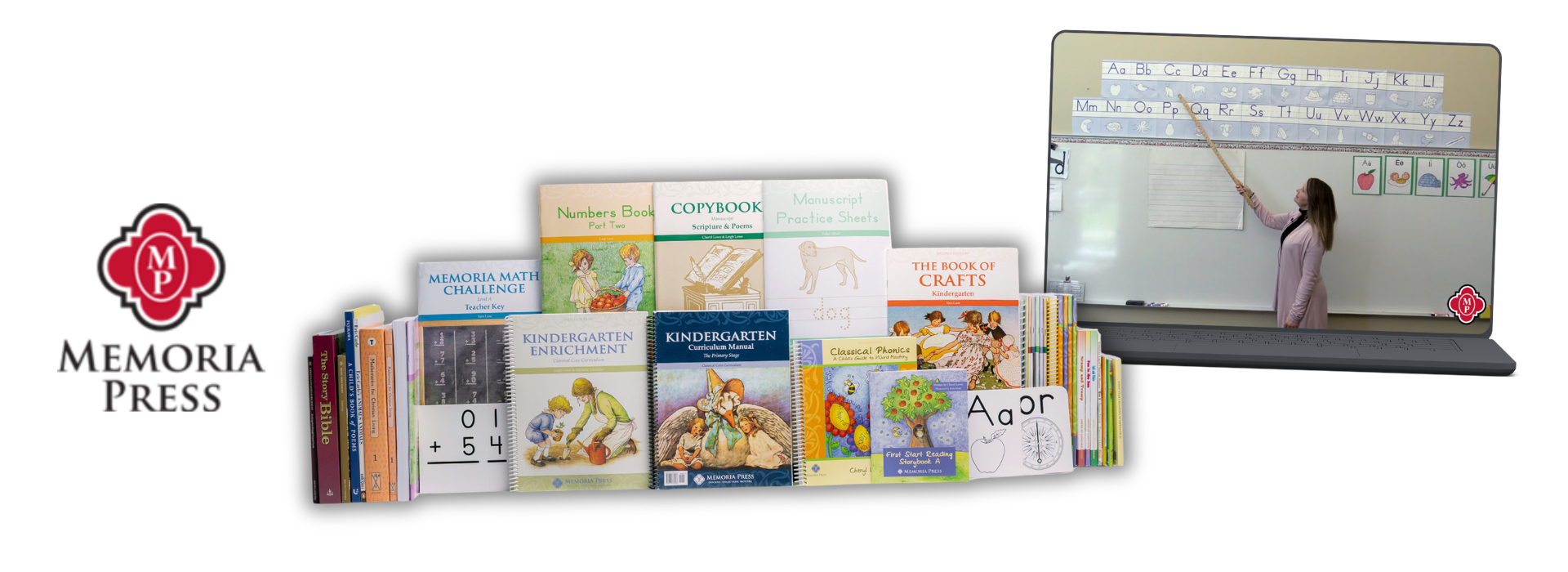
🏛️ Memoria Press
Memoria Press is a strong choice for families wanting rigorous classical education and having enough time to be involved.
Its curriculum is thorough, structured and intellectually rich.
Students study subjects such as:
Latin
Classical literature
Logic
Composition
History
Christian studies
The books are often mostly black and white, so this is not the program to choose if your child needs every page to resemble a rainbow exploding in a stationery shop.
However, the content is deep and carefully organised.
Middle school is when students begin developing more formal reasoning skills, and Memoria Press takes that seriously.
The main challenge is parent involvement.
Many middle-school students still need help understanding instructions, discussing readings and remaining on schedule.
✅ Best for: Deep, affordable classical education.
❌ Not ideal for: Busy parents wanting video-led independence.
⚠️ Remember: Be prepared to learn and teach alongside your child.
🛒 Check out current pricing for Memoria Press here.
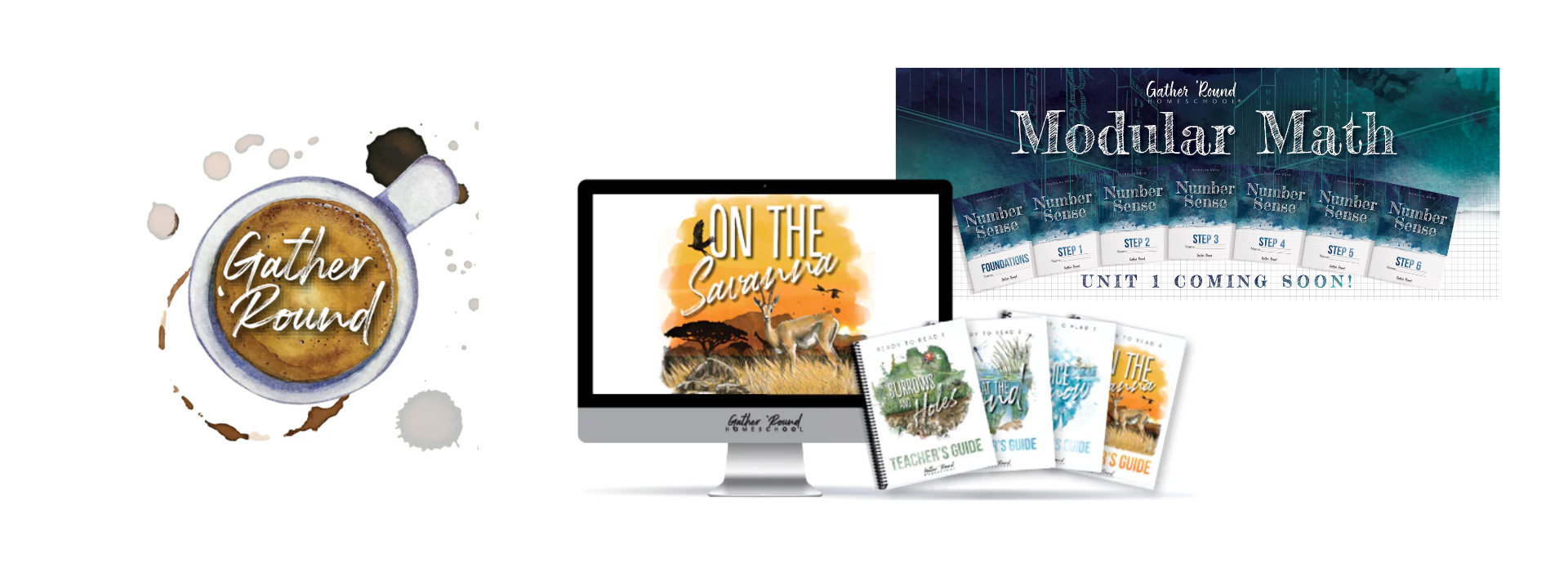
👨👩👧👦 Gather ’Round Homeschool
Gather ’Round can simplify homeschooling for families with several children.
It is not a complete curriculum in the traditional sense. Instead, families choose themed units according to their interests.
The parent teaches one main lesson to everyone, and each child completes a workbook written for their level.
The whole family might study:
Oceans
Africa
Space
Ancient civilisations
Animals
Christmas traditions
This multi-age approach means you do not need to purchase an entirely separate program for every child.
Gather ’Round works best as a unit-study curriculum.
Families may still require separate programs for mathematics and phonics.
However, if you are currently teaching four science lessons and beginning to forget which child is studying what, combining everyone for one subject can feel almost miraculous. 🙌
✅ Best for: Large families and multi-age unit studies.
❌ Not ideal for: Families needing a complete maths and language arts program.
⚠️ Remember: You will probably need additional core-subject curricula.

🔬 Apologia
Apologia begins to shine in middle school, when students can read longer texts and explore scientific ideas in greater depth.
Its textbooks are colourful and written directly to the student.
The tone is conversational, and the courses present science from a Christian, young-earth creationist worldview.
Students can use:
The main textbook
A notebooking journal
Self-paced video courses
Live online classes
Experiments and activities
This gives families flexibility depending on how much teaching support their child needs.
The books are substantial, though.
If your child becomes faint at the sight of a thick textbook, video instruction or a slower schedule may help.
✅ Best for: Colourful, creation-based middle-school science.
❌ Not ideal for: Students strongly resistant to reading.
⚠️ Remember: Apologia is detailed and can involve a significant amount of text.
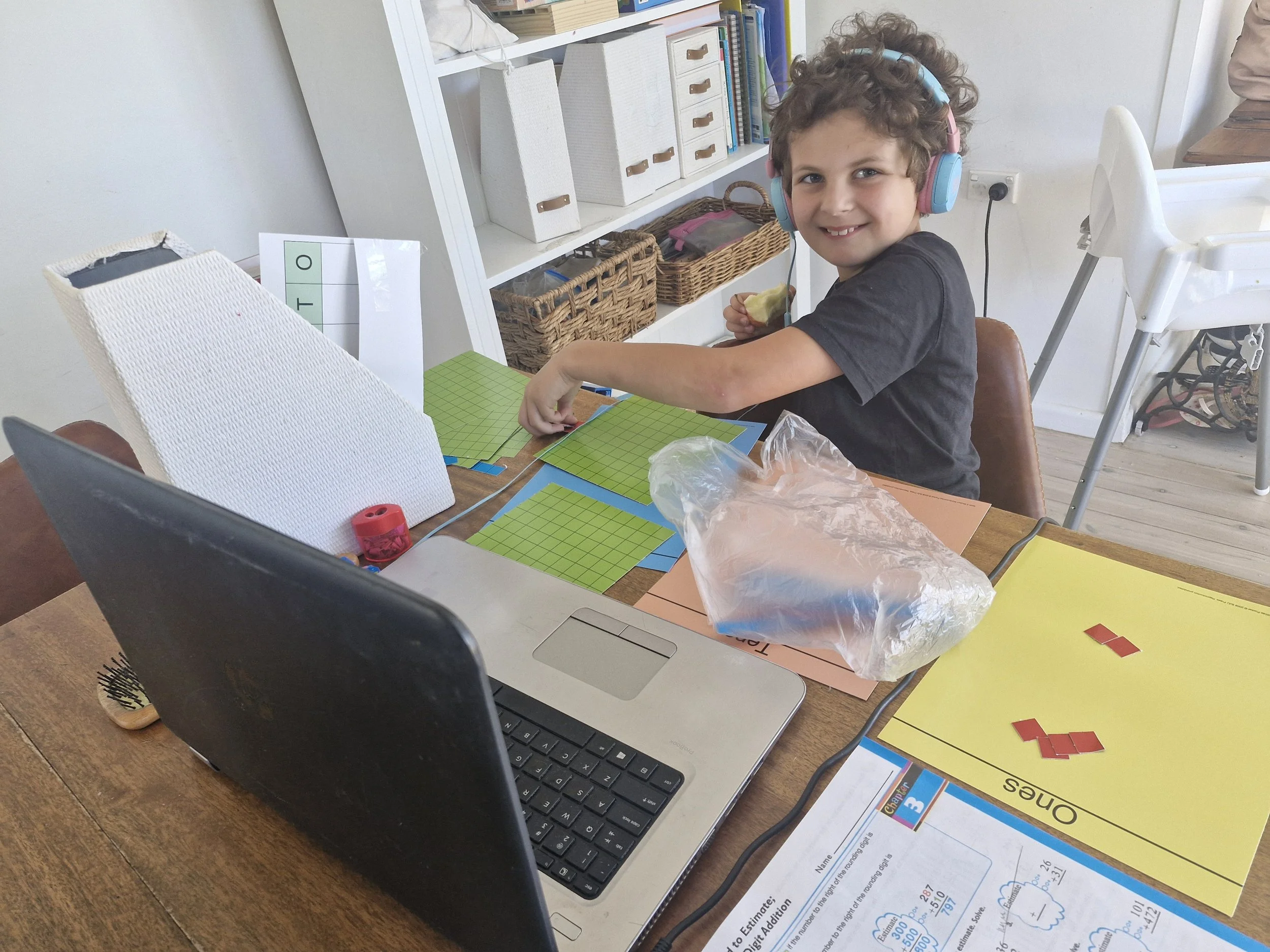
My son doing his math lessons with BJU Press.
🎥 BJU Press for Middle School
BJU Press can work especially well in middle school (it’s what we’re using at the moment for middle school too!)
Because this is the stage when students are increasingly able to follow video lessons, manage their assignments and work independently.
The teacher-led videos explain each concept, while the physical textbooks and workbooks give students structured practice.
This makes it a strong option for parents who want solid academics without personally teaching every subject.
The curriculum is robust, so there is plenty of material available.
However, you do not have to complete every question or activity.
Students can go deeper when they need the challenge, or skip review once they have clearly mastered a concept.
✅ Best for: Students who benefit from clear structure, visual teaching and physical books.
❌ Not ideal for: Families wanting a very gentle or inexpensive curriculum.
⚠️ Remember: Choose the video lesson option if your goal is greater independence.
🎓 Most Popular Homeschool Curriculums for High School
High school is where homeschooling starts to feel serious.
There are credits to consider, advanced subjects to organise and the growing realisation that graduation is no longer a distant theoretical event.
Parents often worry that they are not qualified to teach high-school subjects.
This is understandable, particularly when the chemistry book arrives and appears to have been written in another language.
Fortunately, high-school students can increasingly learn through:
🎥 Video courses
👩🏫 Live classes
📚 Self-directed programs
💻 Online platforms
📝 Structured physical workbooks
The strongest most popular homeschool curriculums for high school help teenagers take ownership of their education while developing reasoning, communication and study skills.

🎥 Compass Classroom
Compass Classroom is one of my top recommendations for Christian high-school students.
It offers classical education with a slight Charlotte Mason feel.
The courses use video lessons and downloadable PDFs, and they have a distinctly homeschool-friendly atmosphere.
It feels like homeschoolers teaching homeschoolers rather than a classroom program that has simply been moved online.
The teachers do not dumb down the material.
Students are expected to:
✅ Think carefully
✅ Read challenging works
✅ Engage with substantial ideas
✅ Communicate clearly
However, the courses are not unnecessarily dry.
There is even humour in subjects such as Latin and vocabulary, which I appreciated more than I expected.
Apparently, difficult academic subjects become significantly more bearable when the teacher is willing to admit that Latin grammar can occasionally feel ridiculous.
✅ Best for: Video-based classical education with thoughtful Christian teaching.
❌ Not ideal for: Students needing constant live accountability.
⚠️ Remember: Students need enough maturity to manage videos and downloadable assignments.
🛒 Check out current pricing for Compass Classroom here.

💻 Veritas Press
Veritas Press is a premium classical option for families wanting much of the teaching and structure handled for them.
Its live online classes provide:
Direct teacher instruction
Scheduled lessons
Interaction with other students
Clear deadlines
High-quality physical materials
Students attend classes at set times and complete assignments between lessons.
Veritas Press is academically rigorous and highly structured.
It is also expensive.
Before enrolling, use its consultation service to determine exactly which classes your student needs.
Families sometimes purchase more classes than necessary and accidentally create a full-time schedule requiring the administrative skills of a small university.
✅ Best for: Live instruction, accountability and premium classical education.
❌ Not ideal for: Families wanting a cheap or highly flexible option.
⚠️ Remember:Use the consultation before purchasing so you do not overbuy.
🛒 Discuss current pricing and ESA funding with a Veritas Press Consultation here.

🎬 Journey Homeschool Academy
Journey Homeschool Academy continues to be useful in high school, particularly for science and Bible.
Its video-based format gives students access to a teacher while allowing them to learn from home.
The engaging visuals can make difficult topics easier to understand, and students can use corresponding PDFs or physical workbooks.
Journey is a good option for parents wanting to outsource individual subjects without enrolling their child in a complete online school.
✅ Best for: Structured video support in science and Bible.
❌ Not ideal for: Families looking for a complete high-school diploma program.
🛒 Check out current pricing for Journey Homeschool here.

🏛️ Memoria Press
Memoria Press can be used throughout elementary and middle school, but I think it truly comes into its own during high school.
During the younger years, it can require substantial parent involvement.
By high school, students are better able to:
Read the materials themselves
Follow a schedule
Manage assignments
Participate in logical discussion
Take responsibility for their learning
Memoria Press provides rigorous classical training in logic, literature, history, Latin and rhetoric.
Classical education is not merely about reading old books and declining Latin nouns until everyone needs a break.
It trains students to:
✅ Organise their thoughts
✅ Identify weak arguments
✅ Communicate clearly
✅ Speak confidently
✅ Think logically
Those skills matter far beyond academics.
A student who can think logically is less likely to be persuaded by a terrible argument simply because it was delivered loudly with attractive graphics.
✅ Best for: Academically motivated students wanting rigorous classical education.
❌ Not ideal for: Students needing colourful, light or highly entertaining lessons.
⚠️ Remember: Live classes are available, but they add considerably to the cost.
🛒 Check out current pricing for Memoria Press here.
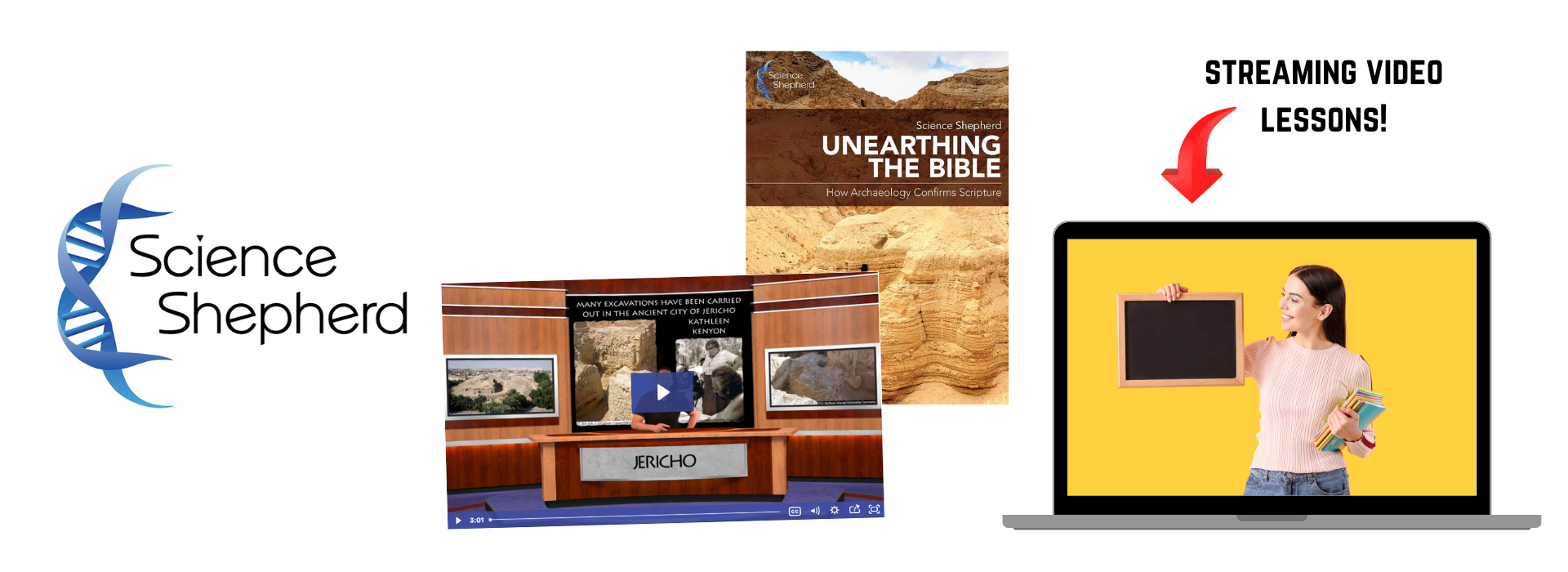
🌌 Science Shepherd
Science Shepherd is a strong and relatively affordable choice for middle- and high-school science.
Its courses use teacher-led videos, downloadable materials and strong visual explanations.
For example, the astronomy course includes real images and footage of space rather than relying entirely on diagrams.
The curriculum teaches from a biblical worldview and is generally easy for students to follow independently.
Science Shepherd offers subjects including:
Biology
Chemistry
Physics
Astronomy
Biblical archaeology
I was particularly impressed with its Biblical Archaeology course.
Science Shepherd is lighter to implement without being academically empty.
There is a difference between simple and shallow.
Science Shepherd aims for the first without becoming the second.
✅ Best for: Affordable Christian science with video instruction.
❌ Not ideal for: Families wanting all subjects from one provider.
⚠️ Remember: Courses are generally purchased individually.
🛒 Check out current pricing for Science Shepherd here.
📝 Christian Light Education
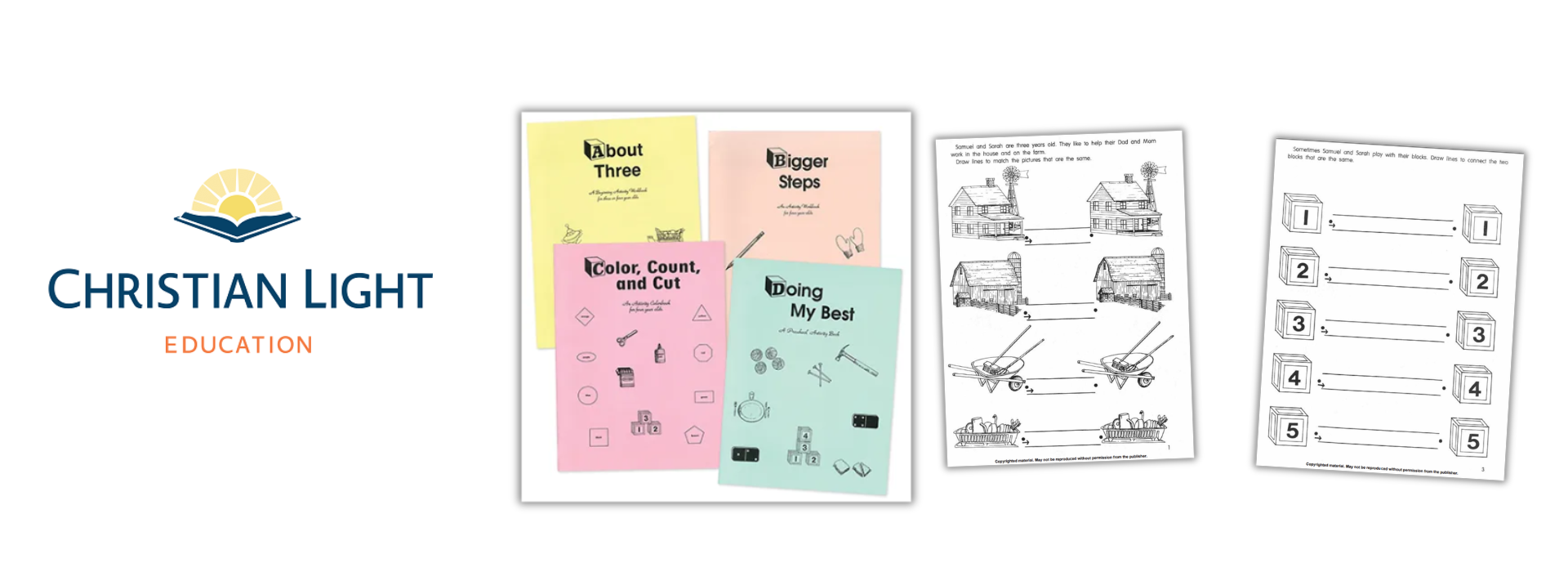
CLE remains a practical high-school option for students wanting traditional, offline learning.
Its courses arrive as teacher materials and sets of small black-and-white LightUnits.
Students complete one booklet at a time and gradually move through the course.
CLE works especially well for teenagers who:
✅ Prefer physical books
✅ Do not need video teaching
✅ Like clear, direct assignments
✅ Want to work independently
✅ Have no desire for their curriculum to entertain them
It is biblical, affordable and dependable.
Students can work without juggling multiple websites, passwords and online dashboards.
There is something wonderfully peaceful about a curriculum that does not require you to reset a password before studying algebra.
✅ Best for: Independent students appreciating clear, traditional lessons.
❌ Not ideal for: Students needing video teachers or colourful pages.
🔬 Apologia
Apologia continues to be strong during high school, particularly in science and apologetics.
Its textbooks are colourful, detailed and designed to help students think carefully about scientific evidence and their Christian beliefs.
Apologia encourages students to understand why they believe what they believe, rather than simply memorising the approved Christian answer.
Families can choose:
Core textbooks
Notebooking materials
Self-paced instruction
Live online classes
The main disadvantage is cost.
Because Apologia is usually purchased subject by subject, the total can increase quickly.
One course feels affordable.
Six courses later, you may begin calculating whether the teenager truly needs chemistry.
✅ Best for: Detailed Christian science and apologetics.
❌ Not ideal for: Families trying to purchase every high-school subject on a small budget.
⚠️ Remember: Subject-by-subject purchasing can become expensive.

🖨️ SchoolhouseTeachers.com
SchoolhouseTeachers.com takes a different approach.
Instead of purchasing every subject separately, families pay for one membership and receive access to hundreds of courses.
The membership can cover multiple children across elementary, middle and high school.
Courses include:
Core subjects
Electives
Text-based lessons
Thousands of videos
Planning tools
Courses for several grade levels
This can make SchoolhouseTeachers.com exceptionally affordable for large families.
The quality varies between courses.
Some are extremely well designed. Others feel more like a passionate homeschool parent sharing a subject they know well.
That is not necessarily bad, but the experience is less consistent than purchasing every course from one publisher.
The other consideration is printing.
Some courses require a substantial number of worksheets and PDFs.
The membership may be affordable, but your printer may begin displaying signs of emotional exhaustion. 🖨️
✅ Best for: Large families needing many courses for one membership price.
❌ Not ideal for: Families wanting every course to have exactly the same style and quality.
⚠️ Remember: Review each course before beginning—and own a reliable printer.
🛒 Check out current pricing for Schoolhouse Teachers here.
🎥 BJU Press Homeschool
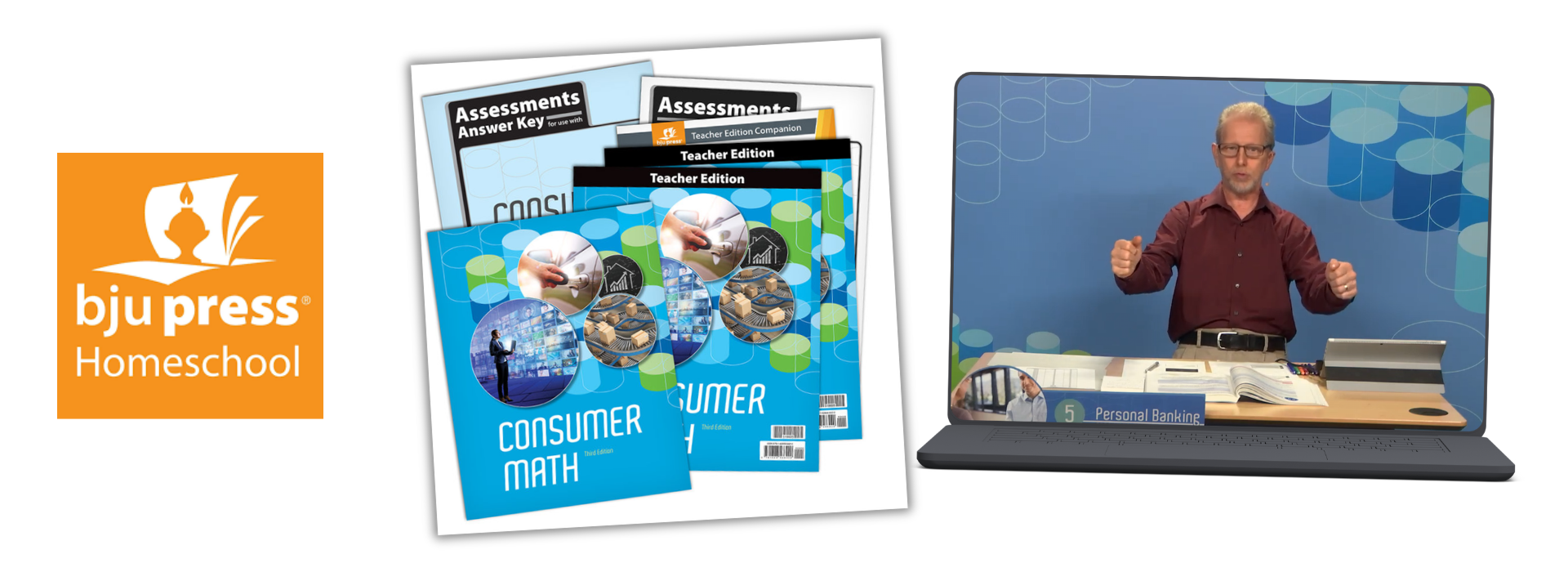
BJU Press is the program we personally use, and it remains a strong option through high school.
The online courses provide teacher-led video lessons alongside physical textbooks and workbooks.
This gives students a complete, structured course without requiring the parent to teach every lesson personally.
BJU Press also places a strong emphasis on biblical worldview thinking.
Rather than merely placing Bible verses beside academic information, the courses encourage students to reason through ideas from a Christian perspective.
The curriculum is robust.
There is a lot of material, which may initially look intimidating.
However, I see that as a strength because it gives us flexibility.
✅ When my child needs more challenge, we complete additional work.
✅ When life is busy, we shorten the lesson.
✅ When a concept has already been mastered, we skip selected questions.
You are allowed to do this.
The curriculum police will not arrive because your child completed questions one through ten and skipped eleven through twenty.
✅ Best for: A complete, academically strong Christian curriculum with video teachers.
❌ Not ideal for: Families seeking the cheapest available curriculum.
⚠️ Remember: It costs more, but it can remove a substantial amount of teaching and planning from the parent.
🛒 Check out current pricing for BJU Press Homeschool here.
➗ Popular Homeschool Math Curriculum Options
Many parents searching for the most popular homeschool math curriculum are really trying to answer one of two questions:
Which maths curriculum will explain concepts clearly?
Which maths curriculum will not require me to relearn fractions at 9:30 on Monday morning?
Among the programs in this guide, the strongest maths choices include:
✅ BJU Press Math
A colorful, concept-focused popular homeschool math curriculum with manipulatives, video teachers and plenty of optional practice.
✅ Christian Light Mathematics
A traditional, affordable spiral program using small, independent LightUnits.
✅ Horizons Math
Colorful and thorough, but better suited to parents who want to teach directly, as it can be a bit of work.
✅ Master Books Math
Gentle, story-based and approachable—but placement testing is essential. As otherwise it could be too easy.
💡 The best maths program depends less on popularity and more on whether your child prefers mastery, spiral review, video instruction or direct parent teaching.
🎨 Popular Homeschool Curriculums That Include the Arts
Parents looking for popular homeschool curricula that include art should pay particular attention to My Father’s World and Gather ’Round.
✅ My Father’s World regularly includes crafts, projects, music, literature and creative activities.
✅ Gather ’Round incorporates themed projects and creative assignments within its multi-age unit studies.
✅ Sonlightoffers a fun homeschool art course with pencils, paintbrushes and instruction materials and books.
These options suit children who need more than reading and worksheets to remain engaged.
They are also ideal for parents who see a glue stick and feel inspired rather than mildly threatened.
🎵 What Is the Most Popular Homeschool Music Curriculum?
There is no single most popular homeschool music curriculum for every age and musical goal.
Most complete Christian curriculum packages treat music as an elective or include it only lightly.
Families wanting serious music education will often need:
🎹 A dedicated instrumental program
🎸 A local music teacher
🎼 A music theory course
🎧 An online specialist program
🎻 Individual tuition
The most popular homeschool music curriculums generally fall into three categories:
Music appreciation - see an article here for homeschool courses teaching music appreciation
Instrumental instruction - see this article for piano, guitar and other music options. But Simply Piano is a great app we’ve loved.
Music theory - see this same article for music theory courses
SchoolhouseTeachers.com includes music electives within its membership, while family-style programs may incorporate songs and basic music appreciation.
❓ What Is the Most Popular Homeschool Curriculum?
People frequently ask, “What is the most popular homeschool curriculum?”
There is no universally correct answer.
BJU Press, Abeka, Master Books, Sonlight, My Father’s World, Apologia and Christian Light Education are all widely recognised, but they suit very different families.
✅ For a busy work-from-home parent, the most popular homeschool curriculum may be BJU Press because of its video teachers.
✅ For a hands-on family, it may be My Father’s World.
✅ For a book-loving student, it may be Sonlight.
✅ For a family wanting strong gospel content, it may be Generations.
✅ For an independent student wanting to finish efficiently, CLE may win.
Popularity tells you that many families have tried a program. It does not tell you whether your particular child will thrive with it.
🔄 Can You Use Different Curricula for Different Children?
Absolutely—and often you should.
One child may thrive with BJU Press videos while another needs the direct, hands-on instruction of All About Reading.
A book-loving middle-school student may adore Sonlight, while their sibling would rather reorganise the garage than read another historical novel.
Your high-school student might use:
Compass Classroom for history
Apologia for science
CLE for mathematics
Journey Homeschool Academy for Bible
That is not curriculum failure.
That is one of the greatest advantages of homeschooling.
You are not required to choose one company and remain loyal to it in every subject until graduation.
Curriculum companies will survive your lack of commitment.
The goal is to find materials that suit:
✅ Your child
✅ Your teaching capacity
✅ Your budget
✅ Your family’s Christian convictions
✅ Your present season
🔍 How to Choose a Popular Christian Homeschool Curriculum
Before purchasing one of these popular Christian homeschool curriculums, consider three things.
1. ⏰ How Much Teaching Can You Realistically Do?
Do not choose a highly parent-intensive program because you admire its philosophy while secretly hoping the book will teach itself.
Be realistic about your season.
A curriculum requiring three hours of direct instruction every day will not suddenly become independent because you own a toddler and need to work from home.
2. 🧠 How Does Your Child Learn?
✅ A strong reader may thrive with Sonlight or Heart of Dakota.
✅ A visual learner may prefer BJU Press, Journey Homeschool Academy or Compass Classroom.
✅ A child needing movement may enjoy My Father’s World or Gather ’Round.
✅ A child distracted by decorative pages may prefer CLE.
Choose for the child you actually have—not the imaginary child featured in the curriculum catalogue.
3. 📈 How Academically Demanding Should It Be?
✅ Master Books: Gentler and story-based.
✅ BJU Press: Academically robust but flexible.
✅ Memoria Press: Rigorous classical education.
✅ Veritas Press: Rigorous with live support.
✅ CLE: Straightforward traditional learning.
The best curriculum is not automatically the hardest curriculum.
It is the program that helps your child make steady progress without requiring your family to sacrifice all joy, peace and permanent access to the dining table.
Final Thoughts: Curriculum Homeschool Most Popular by Grade Level
If you have searched for curriculum homeschool most popular by grade level, the main thing to understand is that different programs shine during different seasons.
🧸 Some curricula work beautifully in the early years because they are colourful, hands-on and highly structured.
📚 Others become more useful during middle school, once children can read and manage assignments independently.
🎓 Some rigorous programs only begin to feel realistic in high school, when students can take more responsibility for their education.
You do not need to discover one perfect curriculum that will carry every child from their first phonics lesson to graduation.
You only need to find the best fit for the child and season in front of you.
And when that season changes, you are allowed to change the curriculum too.
After all, curriculum is a tool—not a lifelong covenant signed in laminating plastic. 😊